
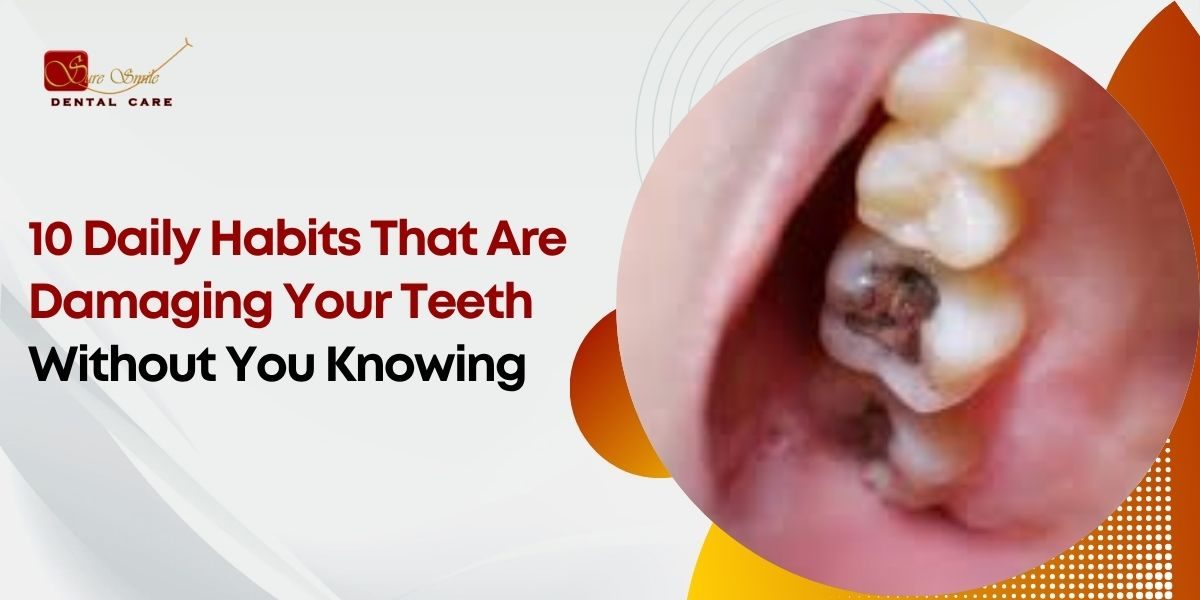
What if the little things you do every day are slowly weakening your teeth?
You wake up, brush, sip coffee, rush through breakfast, and move on with your day. It feels normal. It feels harmless. But sometimes, the habits that seem routine are the ones causing the most damage. That is why following the right oral health tips and building healthy teeth habits matter more than most people realize.
A small crack. A sudden sting while eating ice cream. Bleeding gums while brushing. These signs rarely appear overnight. Instead, they build up quietly through patterns we repeat every day.
That’s why understanding these hidden triggers is important. At Sure Smile Dental Care, we often meet patients surprised to learn how their everyday choices affect their smiles. With the right dental care tips and practical oral health tips, small changes can protect your teeth for years.
Let’s talk about the habits your teeth wish you would stop.
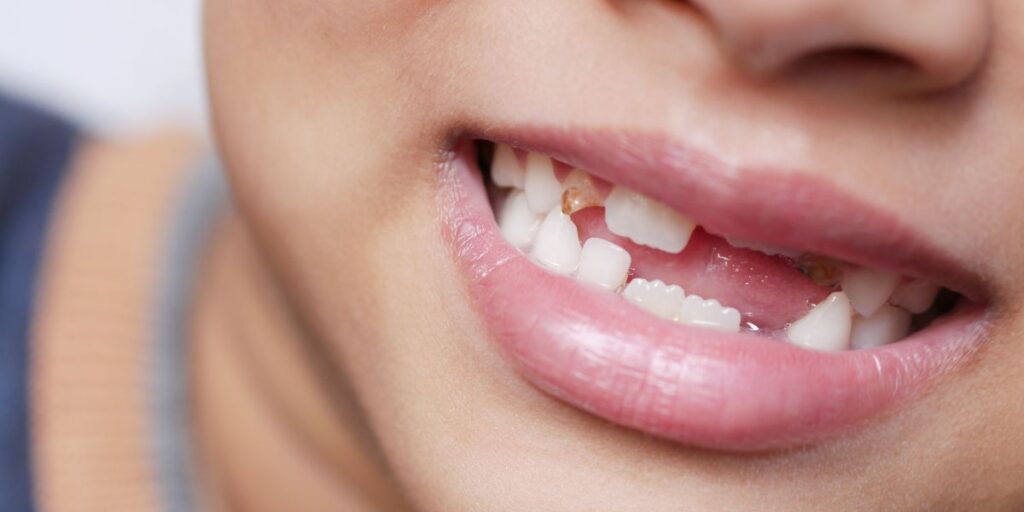
1. Brushing Too Hard: Is More Pressure Better?
Brushing your teeth every day is essential. But brushing too hard can do more harm than good.
Many people believe that scrubbing harder means cleaner teeth. It doesn’t. In fact, aggressive brushing can wear down enamel and irritate your gums over time. One of the most important oral health tips is understanding that pressure does not equal better cleaning.
What happens when you brush too hard?
- Enamel starts thinning
- Gum recession becomes more common
- Teeth become sensitive
- The roots begin to get exposed
Your enamel does not grow back. Once it wears down, the damage is permanent.
Better dental care tips:
- Use a soft-bristled toothbrush
- Hold it with a light grip
- Brush in gentle circles instead of harsh back-and-forth motions
- Limit brushing to two minutes
Strong healthy teeth habits always begin with gentle and consistent care.
2. Skipping Water After Meals
Food does not simply disappear after you swallow.
Tiny food particles stay behind, especially after sticky or sugary meals. Without rinsing, bacteria feed on those leftovers.
And that is where the trouble begins.
This is one of the simplest oral health tips people often overlook.
Why does water matter?
Water helps:
- Wash away food particles
- Reduce acid levels in the mouth
- Keep your mouth hydrated
- Lower plaque buildup
Adding this simple habit to your routine is one of the easiest dental care tips you can follow.
Even a quick rinse after meals can protect your teeth.
At Sure Smile Dental Care, patients are often encouraged to include this in their daily routine because prevention is always easier than treatment.
Simple healthy teeth habits like rinsing after meals can make a big difference.
3. Constant Snacking and the Sugar Impact on Teeth
Your teeth need time to recover.
Every time you snack, your mouth becomes acidic. If you eat often, your teeth stay under acid attack for longer.
And over time, that weakens them.
How does sugar impact on teeth?
The sugar impact on teeth is bigger than most people realize.
Bacteria feeds on sugar and converts it into acid. That acid slowly weakens the enamel.
Frequent exposure can lead to:
- Cavities
- Enamel erosion
- Gum irritation
- Tooth sensitivity
This is why many oral health tips focus on reducing unnecessary sugar intake.
Better choices for healthy teeth habits:
Instead of frequent snacking:
- Eat proper meals
- Choose nuts, cheese, or fresh fruits
- Avoid sticky sweets
Good healthy teeth habits are often about timing as much as food choices.
Following smart dental care tips can reduce the long-term sugar impact on teeth.
4. Grinding Your Teeth Without Realizing It
Many people clench or grind their teeth while sleeping.
This habit, known as teeth grinding, can quietly damage your teeth over time.
And most people do not even know they are doing it.
Signs of teeth grinding:
- Jaw pain in the morning
- Frequent headaches
- Flattened teeth
- Chipped enamel
Stress is often the biggest trigger for teeth grinding.
If left untreated, it can damage crowns, fillings, and natural teeth.
This is why one of the most important dental care tips is paying attention to unusual jaw discomfort or tooth wear.
At Sure Smile Dental Care, Dr. Vinod Pattabiraman regularly helps patients identify teeth grinding and bite-related issues before they turn serious.
Building awareness around habits like teeth grinding is a key part of maintaining long-term healthy teeth habits.
5. Using Teeth as Tools
Opening packets. Tearing tags. Cracking nuts.
It may save time, but it can cost your teeth.
Your teeth are made for chewing food, not for handling objects. One of the most practical dental care tips is to stop using your teeth as tools.
Why is this habit risky?
Using your teeth as tools can cause:
- Sudden cracks
- Chipped edges
- Broken fillings
- Root injuries
Even one wrong bite can lead to emergency treatment.
A simple rule to follow:
If it is not food, it does not belong between your teeth.
Small healthy teeth habits like this can prevent serious damage.
6. Drinking Acidic Beverages Every Day
That morning lemon water. Those energy drinks. Fizzy sodas.
They may seem harmless, but regular acid exposure slowly weakens your enamel.
And over time, the sugar impact on teeth combined with acid can create long-term problems.
Watch out for these:
- Soft drinks
- Sports drinks
- Black coffee
- Citrus juices
- Vinegar-based drinks
Acid softens the enamel.
And if you brush immediately after, the damage can increase because softened enamel wears away faster.
This is one of the most overlooked oral health tips.
Better oral health tips:
- Drink through a straw
- Rinse with water afterward
- Wait 30 minutes before brushing
These simple steps protect enamel and strengthen your oral hygiene routine.
Good healthy teeth habits always focus on protecting enamel first.
7. Ignoring Bleeding Gums
A little blood while brushing is never normal.
Yet many people ignore it.
Some even avoid brushing that area.
Unfortunately, that only makes the problem worse.
This is why following a strong oral hygiene routine matters every day.
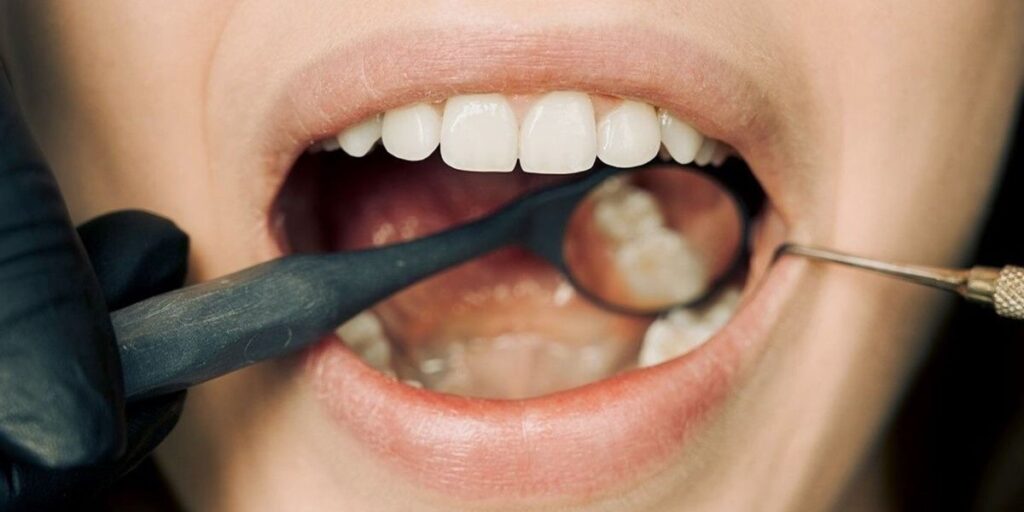
What can bleeding gums mean?
It could be:
- Gingivitis
- Plaque buildup
- Vitamin deficiency
- Early gum disease
Gum problems do not only affect your teeth. They can impact your overall health too.
One of the most important oral health tips is to treat gum problems early.
Regular checkups at Sure Smile Dental Care can catch these issues before they become painful or severe.
Simple dental care tips like not ignoring bleeding can protect your smile for years.
8. Sleeping Without Cleaning Your Mouth
Nighttime is when bacteria get the most time to work.
Your saliva flow naturally drops while you sleep.
That means your mouth has less natural protection.
Skipping your nighttime oral hygiene routine gives bacteria a long window to grow.
Why is skipping night brushing harmful?
When food stays overnight:
- Plaque hardens faster
- Bad breath worsens
- Cavities grow faster
- Gums become inflamed
If you only brush once a day, make it before bed.
This remains one of the strongest oral health tips every dentist agrees on.
Good healthy teeth habits start with consistency, especially at night.
9. Drinking Very Hot and Very Cold Back-to-Back
This temperature shock can affect your enamel.
Think of hot coffee followed by ice water.
It is common, but it is not harmless.
Your teeth expand and contract with extreme temperatures.
Over time, this repeated stress can cause:
- Tiny cracks
- Increased sensitivity
- Weak enamel
It may feel minor now, but repeated stress builds up.
Protecting your enamel is one of the smartest dental care tips you can follow.
Building healthy teeth habits often means reducing these extreme temperature changes.
10. Delaying Dental Visits Until Pain Starts
Pain is usually the last sign of a problem.
By then, the issue is often much bigger.
A small cavity can turn into a root canal.
A gum issue can lead to tooth loss.
Ignoring early signs like teeth grinding, sensitivity, or bleeding gums can make treatment harder.
Why do regular visits matter?
Routine dental visits help detect:
- Hidden decay
- Bite problems
- Teeth grinding damage
- Early gum disease
- Weak fillings
At Sure Smile Dental Care, digital imaging and modern diagnostics help spot issues early, making treatment easier and more comfortable.
This is one of the most valuable oral health tips for long-term protection.
Why Sure Smile Dental Care Is Trusted for Long-Term Dental Health
Choosing the right dental clinic matters because oral care is never a one-time process.
At Sure Smile Dental Care, patients receive personalized treatment based on their unique needs instead of fixed solutions.
Since 2010, the clinic has built trust through patient-first care, open communication, and advanced technology like digital imaging for accurate diagnosis.
Led by Dr. Vinod Pattabiraman, an orthodontist and implantologist, and Dr. Rajalakshmi Sundaram, a prosthodontist and implantologist, the clinic offers everything from preventive care to full-mouth rehabilitation.
Their focus on comfort, precision, and long-term results helps patients build stronger healthy teeth habits and maintain a better oral hygiene routine.
Your Teeth Notice Everything You Do
Your teeth respond to your habits every single day.
Sometimes, damage happens quietly.
No pain. No warning.
That is why better choices matter now.
A softer brush. Less sugar. Better sleep habits. More water.
Even reducing the sugar impact on teeth and managing teeth grinding can protect your smile in the long run.
These may seem like small changes, but they are powerful oral health tips that build stronger smiles.
And if you have noticed sensitivity, bleeding gums, jaw pain, or worn teeth, do not wait for it to get worse.
1. What daily habit damages teeth the most?
Frequent sugar consumption and poor brushing habits are among the biggest causes of tooth damage.
2. Can teeth grinding be stopped?
Yes. Dentists can identify the cause and suggest night guards or bite correction treatments.
3. How many times should I brush my teeth?
Twice a day is ideal, especially before sleeping.
4. Are acidic drinks worse than sugary drinks?
Both can harm teeth. Acid weakens enamel while sugar feeds harmful bacteria.
5. Why do my gums bleed while brushing?
It may be due to plaque buildup or early gum disease. It should not be ignored.
6. How often should I visit the dentist?
A dental check-up every six months is generally recommended for healthy teeth and gums.