
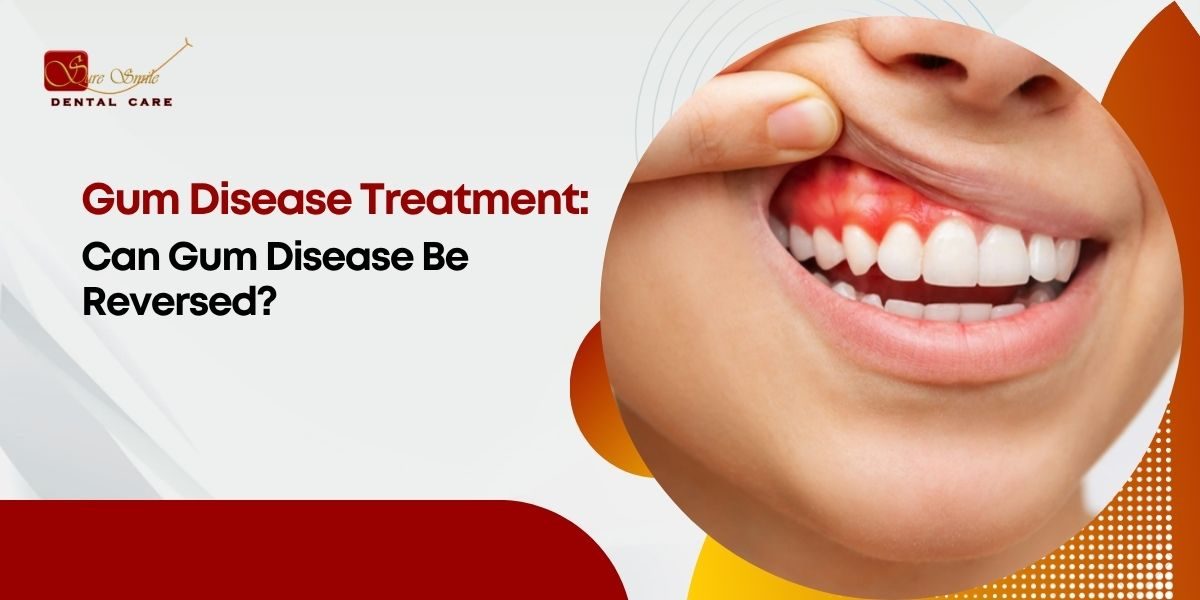
Gum disease treatment often determines whether your natural teeth remain strong or gradually weaken over time. What makes this condition challenging is how quietly it progresses—without significant pain yet steadily affecting the foundation of your smile.
While the idea of reversing gum disease may sound reassuring, it is only possible under specific conditions that are often misunderstood. At Sure Smile Dental Care, we focus on identifying the exact stage of the condition and providing timely, precise gum disease treatment. Understanding when gum disease can truly be reversed—and when it can only be managed—helps you take early action and protect your long-term oral health.
Take the first step toward healthier gums – Schedule your consultation today!
Why “Reversal” in Gum Disease Treatment Isn’t Always What It Sounds Like
Reversal is possible—but only within a specific biological window.
The term “reversal” often gives patients a false sense of reassurance. In dentistry, reversal does not mean restoring every structure to its original state in all cases. It specifically refers to the ability of gum tissues to return to a healthy condition without permanent structural damage.
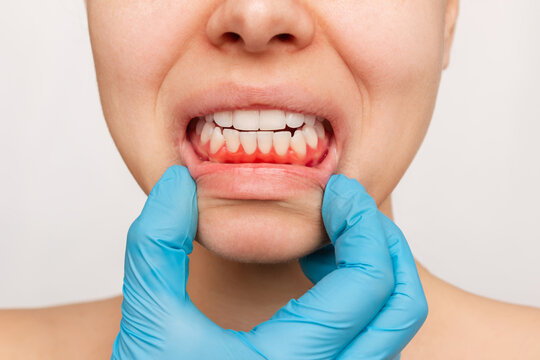
In the earliest stage—gingivitis—inflammation is limited to soft tissue. There is no bone loss, no deep periodontal pockets, and no irreversible damage. At this point, gum disease treatment works almost like a reset button, restoring healthy gums.
However, once the disease progresses into periodontitis, the supporting bone and connective tissues begin to deteriorate. Even though modern gum disease treatment can halt further destruction and significantly improve gum health, lost bone and attachment cannot be fully restored naturally.
This distinction is critical because many patients delay care assuming reversal is always possible. In reality, timing defines the outcome.
The Biology Behind Gum Disease: What Actually Gets Damaged
Understanding the damage helps explain why reversals have limits.
Gum disease is not just about swollen gums—it is a structural problem involving multiple layers of support around your teeth.
Key Structures Affected
- Gingiva (Gums): First to react with inflammation
- Periodontal Ligament: Connects tooth to bone
- Alveolar Bone: Supports and anchors teeth
In gingivitis, only the gums are inflamed. This inflammation is reversible because deeper structures remain intact.
In periodontitis, bacteria penetrate deeper, causing:
- Breakdown of connective tissue
- Formation of periodontal pockets
- Gradual bone loss
Once bone loss begins, the body cannot regenerate it fully without surgical intervention. That’s why gum disease treatment shifts from “reversal” to “management” at this stage.
Stages of Gum Disease and Their Treatment Possibilities
| Stage | What’s Happening Internally | Can It Be Reversed? | Ideal Gum Disease Treatment |
| Gingivitis | Surface inflammation | Yes | Professional cleaning + hygiene correction |
| Early Periodontitis | Minor attachment loss | No (but controllable) | Scaling & root planing |
| Moderate Periodontitis | Deeper pockets, bone loss | No | Advanced non-surgical + monitoring |
| Advanced Periodontitis | Severe bone damage | No | Surgical intervention |
This progression shows how gum disease treatment evolves from simple to complex as the condition advances.
Protect Your Smile – Schedule Your Personalized Gum Disease Treatment Today!
Early Intervention: The Only Stage Where Reversal Is Truly Possible
Acting early is not just beneficial—it is decisive.
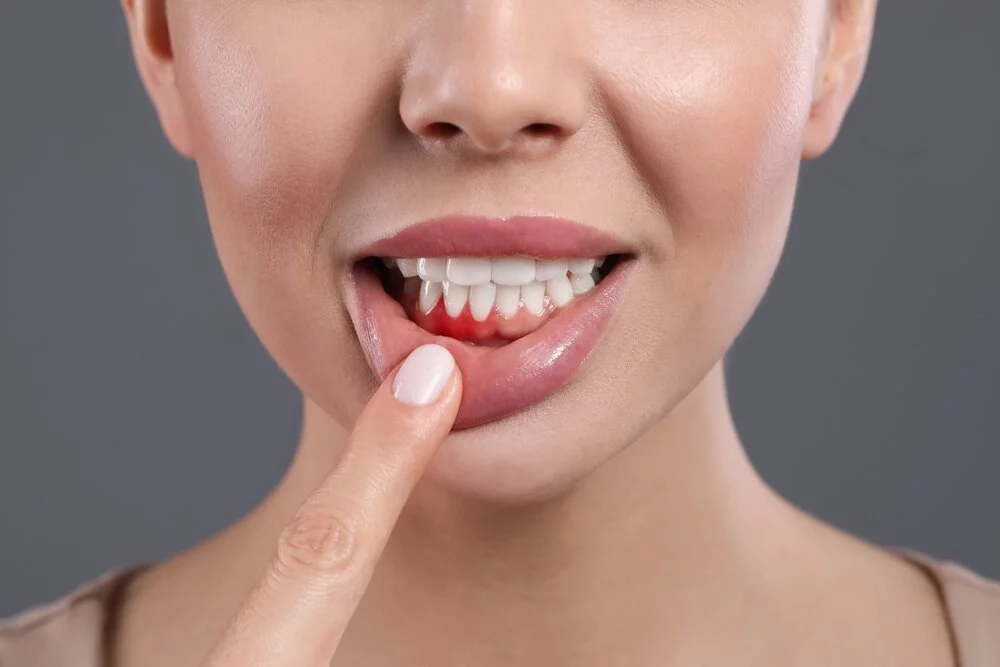
Gingivitis is often underestimated because it appears mild. Slight bleeding while brushing or mild swelling doesn’t feel urgent. However, this stage is your only opportunity to completely reverse the condition.
What Happens During Early Treatment
- Plaque and tartar are professionally removed
- Bacterial load is reduced significantly
- Gum inflammation subsides
- Tissue returns to a healthy state
Why It Works
- No bone loss has occurred
- No deep pockets are present
- The immune system can fully recover
With proper gum disease treatment and consistent oral care, gums can regain their natural firmness and color within weeks. Delaying even slightly can push the condition into irreversible territory.
When Reversal Is No Longer Possible: What “Control” Really Means
Even when reversal isn’t possible, effective gum disease treatment still protects your smile.
Once gum disease progresses to periodontitis, the goal of treatment shifts from reversing damage to controlling it. The focus becomes:
- Stopping disease progression
- Reducing bacterial infection
- Preventing further bone loss
- Maintaining existing tooth structure
How Control Is Achieved
- Deep cleaning procedures remove bacteria below the gumline
- Periodontal pockets are reduced
- Regular maintenance prevents recurrence
Many patients misunderstand this phase as “failure,” but it is actually a highly effective form of disease management. With proper gum disease treatment, patients often retain their natural teeth for life, even after periodontitis.
Gum Disease Treatment Options: Precision Over Guesswork
A targeted approach ensures better outcomes at every stage.
At Sure Smile Dental Care, gum disease treatment is never generalized. Each plan is tailored based on severity, patient history, and response to infection.
Non-Surgical Approaches
1. Scaling and Root Planing- This is the cornerstone of gum disease treatment beyond gingivitis. It removes plaque and tartar from deep pockets and smoothens root surfaces to prevent bacterial reattachment.
2. Localized Antibiotic Therapy- Medication is applied directly into infected pockets to control bacterial growth.
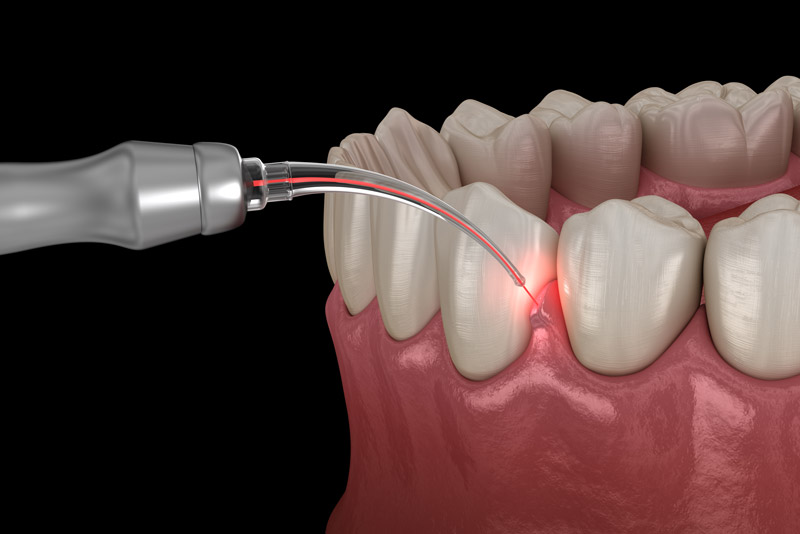
3. Laser-Assisted Therapy- Advanced techniques may be used to disinfect and promote healing with minimal discomfort.
Surgical Interventions (If required)
1. Flap Surgery- Allows direct access to deep deposits and reduces pocket depth.
2. Bone Grafting- Rebuilds areas where bone loss has occurred.
3. Soft Tissue Grafting- Restores gum coverage in cases of recession.
The effectiveness of these treatments depends heavily on timing and consistent follow-up.
Daily Habits That Decide Treatment Success
Professional care works best when supported by disciplined daily habits. Even the most advanced gum disease treatment cannot compensate for poor oral hygiene at home.
Non-Negotiable Practices
- Brushing twice daily with proper technique
- Flossing to clean interdental areas
- Using antibacterial mouthwash
Hidden Factors That Affect Gum Health
- Smoking reduces healing capacity
- Diabetes increases susceptibility to infections
- Stress weakens immune response
Consistency in these habits determines whether your gums remain stable or relapse into disease.
The Difference Between Temporary Relief and Long-Term Results
Short-term fixes do not replace structured gum disease treatment.
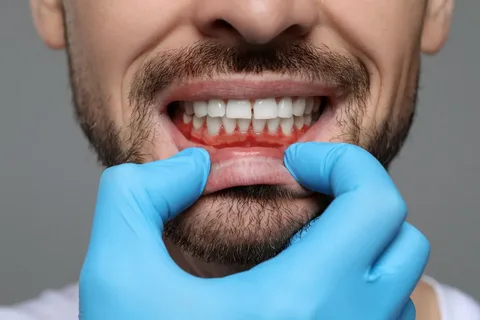
Many patients rely on home remedies or over-the-counter solutions, expecting improvement. While these may reduce symptoms temporarily, they do not address the root cause.
| Approach | Effect | Limitation |
| Home remedies | Temporary symptom relief | No removal of deep infection |
| OTC products | Reduces bacteria slightly | Cannot treat tartar buildup |
| Professional treatment | Targets root cause | Requires maintenance |
This is why professional gum disease treatment is essential for lasting results.
Choose Lasting Gum Health – Schedule Your Professional Care Today!
Sure Smile Dental Care: Where Expertise Meets Personalized Treatment
The right expertise transforms outcomes, especially in complex cases.
At Sure Smile Dental Care, gum disease treatment is guided by clinical precision and patient-focused care. Dr. Vinod Pattabiraman brings deep knowledge of dental structures and treatment planning, ensuring each case is approached with clarity and purpose.
His background in orthodontics and dentofacial orthopedics adds a unique advantage—understanding how gum health interacts with overall dental alignment and stability.
What Sets Our Approach Apart
- Detailed diagnosis before treatment planning
- Focus on preserving natural teeth
- Integration of advanced techniques with patient comfort
- Long-term maintenance strategies
We don’t just treat gum disease—we empower patients to manage it for life.
Wrapping Up
Gum disease can be reversed—but only at the earliest stage. Beyond that, gum disease treatment focuses on control, preservation, and preventing further damage. Early action is the difference between simple reversal and complex management. Ignoring early symptoms often leads to advanced procedures that could have been avoided. At Sure Smile Dental Care, we ensure every patient receives timely, precise, and effective care tailored to their condition. Healthy gums are not just about aesthetics—they are the foundation of your entire oral health.
FAQs
1. Can gum disease be reversed without visiting a dentist?
No, professional cleaning is essential to remove tartar, which cannot be eliminated at home.
2. How do I know if my gum disease is still reversible?
Only a dental examination can confirm this, but early symptoms like bleeding gums usually indicate gingivitis.
3. Is gum disease treatment a one-time procedure?
No, it requires ongoing maintenance to prevent recurrence.
4. Can gums grow back after receding?
Naturally, no. However, grafting procedures can restore gum tissue.
5. How often should scaling be done for gum disease?
It depends on severity, but typically every 6 months or as advised by your dentist.
6. Does gum disease affect overall health?
Yes, it is linked to heart disease, diabetes, and other systemic conditions.
7. What is the biggest mistake people make with gum disease?
Ignoring early symptoms and delaying gum disease treatment reduces chances of reversal.
One Response