
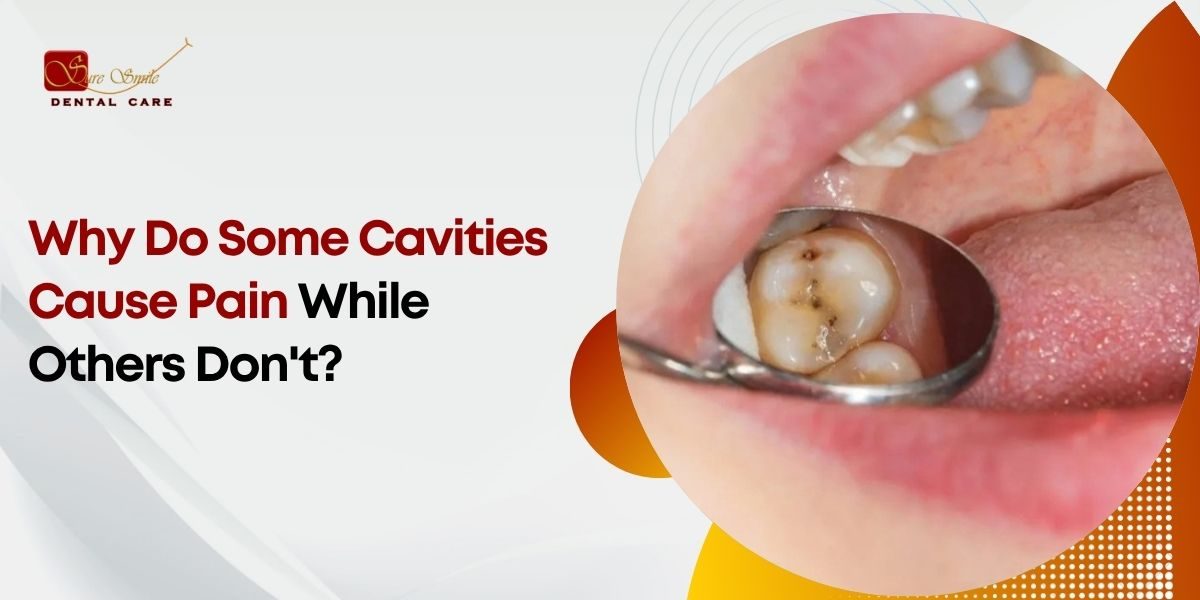
Why can one cavity cause severe pain while another stays completely silent?
One person rushes to the dentist because of severe cavity pain, while another discovers a deep cavity during a routine dental check-up without feeling any discomfort. This difference often leaves people confused. Pain is not always the first sign of tooth decay, and waiting for it can allow the damage to progress. Understanding why some cavities hurt while others remain unnoticed helps you seek treatment at the right time. At Sure Smile Dental Care, we encourage early diagnosis, so treatment is simpler, more comfortable, and more effective.
Why Do Some Cavities Hurt While Others Don’t?
Not every cavity develops in the same way. Whether you experience cavity pain depends on how far the decay has progressed and which part of the tooth it has reached.
A tooth has three main layers:
- Enamel – The hard outer protective layer
- Dentin – The softer layer beneath the enamel
- Pulp – The innermost layer that contains nerves and blood vessels
As decay moves deeper through these layers, the likelihood of cavity pain increases.
When Decay Is Limited to the Enamel
The enamel does not contain nerves, so a cavity that affects only this outer layer usually causes no pain.
These are often referred to as painless cavities because they can develop without any noticeable symptoms. In many cases, they are discovered only during routine dental examination or dental X rays.
Even though they do not hurt, painless cavities continue to grow if they are left untreated. Detecting them early allows for simpler and less invasive treatment.
When Decay Reaches the Dentin
Beneath the enamel lies the dentin, which contains thousands of tiny, microscopic channels connected to the pulp.
As decay reaches this layer, everyday triggers such as:
- Cold drinks
- Hot tea or coffee
- Sweet foods
- Cold air
can travel through these channels and irritate the nerves inside the tooth.
This is why tooth sensitivity from cavities is often one of the earliest warning signs. At this stage, the discomfort may come and go, but it should never be ignored because the decay will continue to spread without dental cavity treatment.
When the Pulp Becomes Infected
The pulp contains the tooth’s nerves and blood vessels. Once bacteria reach this inner layer, inflammation builds pressure inside the tooth, leading to more severe cavity pain.
You may experience:
- Constant throbbing pain
- Pain while chewing
- Pain that wakes you during the night
- Swelling around the affected tooth
At this stage, prompt dental cavity treatment becomes essential because the infection is unlikely to heal on its own.

Why Do Deep Cavities Sometimes Stay Painless?
It may seem surprising, but even a large cavity can remain painless for a long time. There are several reasons why this happens.
The Decay Develops Gradually
Tooth decay usually progresses slowly. As the damage increases over time, the tooth may gradually adapt to the irritation.
Instead of causing sudden cavity pain, the nerves become irritated little by little, delaying noticeable symptoms. Many people assume everything is fine simply because they do not feel any discomfort, even though the cavity continues to worsen.
The Cavity Forms in a Less Sensitive Area
Not every part of a tooth responds to decay in the same way.
A cavity that develops between two teeth or close to the gumline may remain unnoticed for a long time before it reaches sensitive tissues. These hidden areas are also more difficult to clean, allowing bacteria to spread without obvious symptoms.
The Nerve May Already Be Damaged
Sometimes a cavity causes severe pain and then suddenly stops hurting.
This does not mean the tooth has healed. In many cases, the infection has damaged the nerve inside the tooth, preventing it from sending pain signals.
Even without cavity pain, the infection may continue to spread. Other warning signs can include:
- Persistent bad breath
- Swollen gums
- A small pimple like bump on the gums
- Tooth discoloration
Although the pain disappears, professional dental cavity treatment is still necessary to prevent further complications.
Everyone Experiences Pain Differently
Pain tolerance varies from one person to another.
Some people notice discomfort as soon as decay reaches the dentin, while others may have extensive decay with very few symptoms.
For this reason, dentists never rely on pain alone to determine how serious a cavity has become. Regular dental checkups remain the best way to detect early signs of cavities before they develop into larger problems.
Tooth Cavity Symptoms That Should Never Be Ignored
Cavity pain is only one symptom of tooth decay. In many cases, the early signs of cavities appear long before any pain develops.
Recognizing these warning signs early can help preserve more of your natural tooth and reduce the need for extensive treatment.
Changes You May Notice First
Some of the early signs of cavities include:
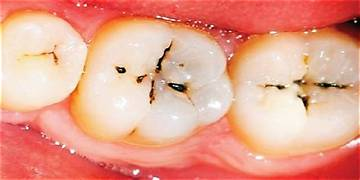
- White chalky spots on the tooth
- Brown or black discoloration
- Small visible holes
- Food getting trapped repeatedly
- Rough areas on the tooth surface
Even if these changes are not painful, they should be examined by a dentist before the decay progresses.
Sensitivity That Keeps Returning
Occasional discomfort while eating or drinking should not be dismissed.
If you regularly experience sensitivity after consuming:
- Ice cream
- Cold water
- Hot beverages
- Chocolate
- Sugary snacks
It could be tooth sensitivity from cavities rather than naturally sensitive teeth.
Persistent sensitivity is one of the most common early signs of cavities and should be professionally evaluated.
Pain While Chewing
As decay weakens the tooth, normal biting pressure can trigger discomfort.
If you experience pain while chewing, it may indicate that the cavity has progressed deeper into the tooth and requires prompt dental cavity treatment.
Persistent Bad Breath
Bacteria trapped inside a cavity continue to multiply over time.
As a result, you may notice:
- Persistent bad breath
- An unpleasant taste in your mouth
- Food collecting inside the damaged tooth
These symptoms often indicate active tooth decay and should not be ignored.
Visible Damage to the Tooth
As the cavity grows, the tooth structure may begin to break down.
You may notice:
- Chipped edges
- Small cracks
- Broken fillings
- Dark holes in the tooth
Once visible damage appears, delaying dental cavity treatment increases the likelihood of requiring more complex procedures. Seeking care early helps preserve the teeth and prevent further complications.

Can a Painless Cavity Suddenly Become a Painful Emergency?
Cavities rarely become painful overnight. However, once bacteria reach the inner layers of the tooth, the condition can worsen quickly. What seems like a harmless spot one week may lead to severe cavity pain the next.
That is why dentists recommend treating painless cavities before they begin causing discomfort. Early care helps prevent complications and protects your natural teeth.
What Happens When Treatment Is Delayed?
The longer tooth decay remains untreated, the more damage it can cause.
As the cavity grows deeper, you may eventually need:
- A larger filling instead of a small one
- Root canal treatment if the pulp becomes infected
- A dental crown to strengthen the weakened tooth
- Tooth extraction if the tooth can no longer be saved
Early dental cavity treatment is usually simpler, more comfortable, and more affordable. It also preserves more of your natural teeth.
Can the Infection Spread Beyond the Tooth?
Yes. An untreated cavity does not stay confined to the tooth forever.
As bacteria continue to multiply, the infection may spread to the surrounding tissues and lead to:
- Swollen gums
- Facial swelling
- Difficulty chewing
- Persistent bad breath
- A dental abscess
- Fever in severe cases
These symptoms require immediate dental attention and should never be ignored.
Children and Older Adults May Not Notice Cavities Early
Children often continue eating normally even when they have cavities. Likewise, older adults may overlook tooth decay because of reduced sensitivity, gum recession, or existing dental work.
For both age groups, regular dental checkups are essential because tooth cavity symptoms are not always obvious, and pain may not develop until the problem has progressed.
How Can You Catch Cavities Before They Become Painful?
The best way to avoid severe cavity pain is to detect tooth decay before it reaches the nerves.
Most cavities can be treated with simple procedures when they are identified early.
Pay Attention to the Early Signs of Cavities
Do not wait for intense pain before visiting your dentist.
Instead, watch for these early signs of cavities:
- Tooth sensitivity that keeps returning
- White, brown, or dark spots on the teeth
- Food getting stuck repeatedly
- Rough or chipped tooth surfaces
- Mild discomfort while chewing
- Bad breath that does not improve
These early signs of cavities often appear long before severe pain develops. Seeking prompt dental cavity treatment at this stage can prevent more extensive procedures later.
If sensitivity becomes frequent or persistent, your dentist may also recommend tooth sensitivity treatment after addressing the underlying cause of the decay.
Do Not Skip Routine Dental Checkups
Even excellent brushing cannot detect every cavity.
Some cavities develop in places that are difficult to see, including:
- Between the teeth
- Beneath old fillings
- Below the gumline
- Inside tiny grooves on the chewing surfaces
Regular dental examinations and digital X rays allow dentists to detect cavities before noticeable tooth cavity symptoms appear.
Simple Habits That Lower Your Risk
Preventing cavities is always easier than treating them.
Build these healthy habits into your daily routine:
- Brush twice a day with fluoride toothpaste.
- Clean between your teeth using floss or interdental brushes.
- Limit sugary snacks and sweetened drinks.
- Drink plenty of water throughout the day.
- Visit your dentist every six months for a checkup.
- Never ignore tooth cavity symptoms, even if they seem minor.
These simple habits can significantly reduce your risk of future dental problems and help maintain a healthy smile.
Why Patients Trust Sure Smile Dental Care
Choosing the right dental clinic is just as important as seeking treatment early. Since 2010, Sure Smile Dental Care has been providing patient focused dental care using advanced digital imaging to diagnose cavities accurately and recommend the most appropriate treatment. Led by Dr. Vinod Pattabiraman, Orthodontist and Implantologist, and Dr. Rajalakshmi Sundaram, Prosthodontist and Implantologist, the clinic is committed to comfortable, transparent, and personalized care. Whether you need preventive checkups, fillings, tooth sensitivity treatment, implants, orthodontic care, or full mouth rehabilitation, every treatment plan is tailored to your individual dental needs.
Wrapping Up
Ignoring a cavity simply because it does not hurt can be a costly mistake. Painless cavities often continue damaging the tooth until the infection reaches the nerves and causes severe cavity pain. Recognizing the early signs of cavities and seeking timely dental cavity treatment can help preserve your natural tooth and prevent more complex procedures. If you have noticed tooth cavity symptoms or require tooth sensitivity treatment, schedule a consultation with Sure Smile Dental Care. Our experienced team combines advanced technology with personalized care to diagnose problems early and protect your smile for years to come.
Do not wait for cavity pain to appear
Book your dental checkup at Sure Smile Dental Care today.
FAQs
1. Can a cavity be present without causing any pain?
Yes. Cavities affecting only the enamel usually do not cause pain because enamel contains no nerves. Many painless cavities are discovered during routine dental check-ups.
2. Why does my tooth hurt only when I eat something cold or sweet?
This is often one of the earliest signs that decay has reached the dentin layer. Tooth sensitivity from cavities occurs when temperature changes or sugary foods stimulate the exposed dentin.
3. Will cavity pain go away on its own?
The pain may temporarily reduce if the tooth’s nerve becomes severely damaged, but the infection usually continues to spread. Dental treatment is still necessary.
4. How do dentists detect painless cavities?
Dentists identify hidden cavities through clinical examinations, digital X-rays, and special diagnostic tools that detect decay before obvious tooth cavity symptoms develop.
5. What is the best treatment for a cavity?
The treatment depends on the severity of the decay. Small cavities usually need fillings, while deeper decay may require root canal treatment or a dental crown. Early dental cavity treatment always offers the best outcomes.
6. How often should I visit a dentist to prevent cavities?
Most people should schedule a dental check-up every six months. Regular visits help detect early signs of cavities, prevent severe cavity pain, and keep your teeth healthy through timely care.