A small change in the shape, colour, or proportion of your front teeth can make a noticeable difference. Dental veneers are one way to make these cosmetic changes. But choosing veneers is not simply about selecting the whitest or most expensive option.
The material matters. So does the amount of tooth preparation, your bite, the condition of your teeth and gums, and the result you want.
In this guide, we explain the main types of veneers, where each type can be useful, and what you should know before discussing treatment with a dentist.
What Are Dental Veneers?
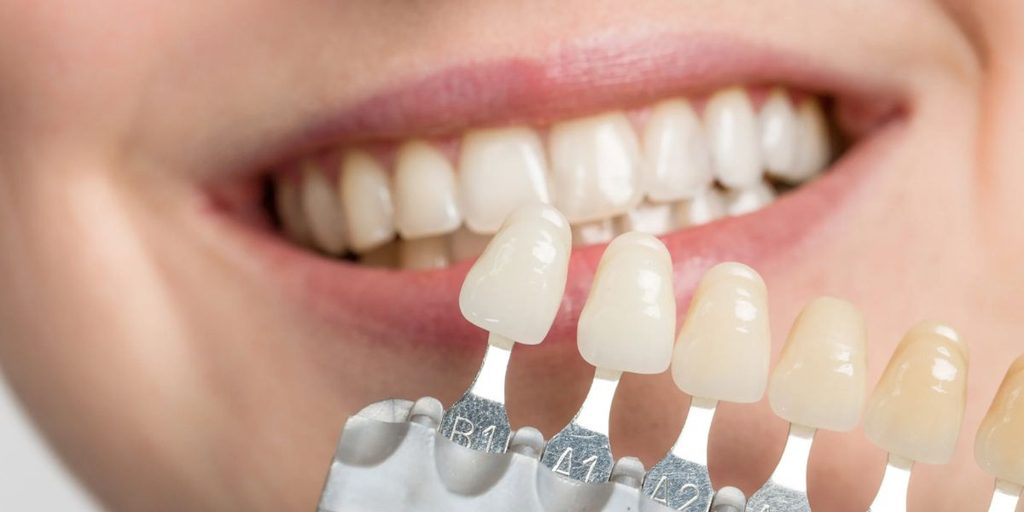
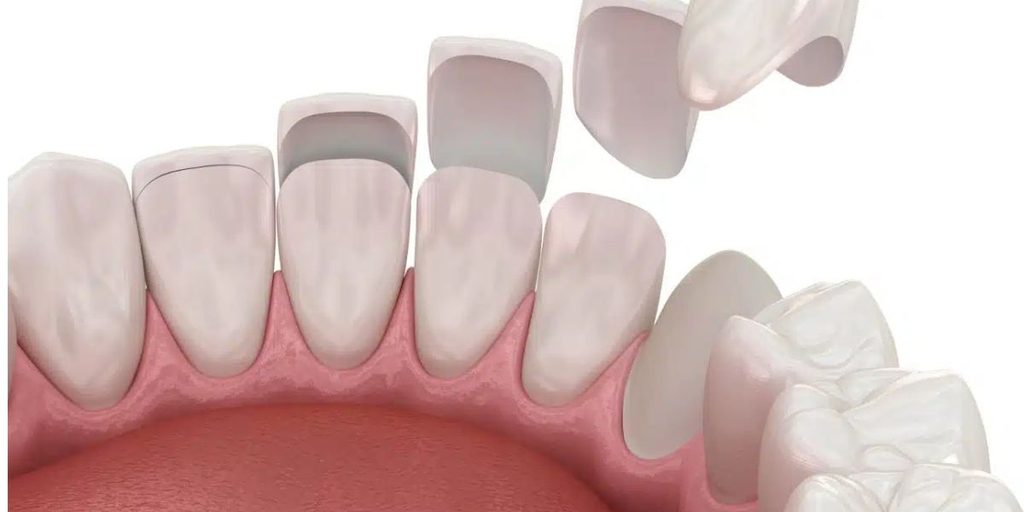
Veneers are thin, custom-made coverings bonded to the front surfaces of teeth. They can conceal problems like discoloration, chips, small gaps, and irregular tooth shapes. They are primarily cosmetic restorations rather than replacements for badly damaged teeth.
Before you even think about veneers, you must clear up any active cavities or gum issues. Your dentist also needs to assess your bite and the amount of healthy tooth structure available.
For a closer look at how veneers fit into a smile makeover, check out our guide to veneers, smile correction, and jaw realignment.
The Main Types of Veneers
There is no single veneer material that works for every patient. The main options include porcelain or ceramic veneers, composite veneers, and minimal-preparation or no-prep veneers.
1. Porcelain Veneers
Porcelain veneers are laboratory-made restorations designed to closely reproduce the appearance of natural enamel. They’re usually the go-to option when someone wants to upgrade multiple aspects of their smile, like colour, shape, and minor irregularities.
They are useful for:
- Persistent discoloration that does not respond adequately to whitening
- Chipped or worn front teeth
- Small gaps between teeth
- Irregular tooth shapes
- Multiple cosmetic concerns affecting the smile
Usually, traditional porcelain veneers require removal of a small amount of enamel. This preparation creates space for the veneer and helps with bonding.
When researching porcelain veneers cost, look beyond the quoted price per tooth. Ask whether the fee includes consultation, diagnostic records, temporary restorations, laboratory work, placement, and follow-up adjustments.
2. Ceramic Veneers
The terms porcelain and ceramic are sometimes used interchangeably in dental discussions, but ceramics contain several material families. Modern dental ceramics can differ greatly in composition, strength, translucency, and clinical indications.
This is important when comparing ceramic veneers. Two clinics may use the same broad material description while offering different ceramic systems.
If you’re looking for a smile upgrade that blends a completely natural look with long-lasting durability, ceramic veneers are definitely worth thinking about. However, the specific ceramic selected will depend on the tooth, bite, preparation, and desired appearance.
If you’re comparing costs for ceramic veneers, always ask your dentist which materials and lab methods are covered in the estimate.
3. Composite Veneers
Composite veneers use tooth-coloured resin, and the dentist can often place it directly. They are useful for relatively minor cosmetic changes and require less tooth alteration than traditional porcelain veneers.
Composite resin is also used for dental bonding. That said, you might want to look into composite options if you’ve got:
- Minor chips
- Small shape irregularities
- Limited discoloration
- A small number of teeth requiring cosmetic correction
The trade-off is that composite can be more susceptible to staining and wear than some ceramic options.
What About No-Prep Veneers?
No-prep or minimal-prep veneers reduce the amount of enamel removed when compared with conventional veneers. However, “no-prep” does not automatically mean zero tooth preparation. Some cases still require enamel modification.
They might be an option if your teeth have the right shape, alignment, and space to get you the desired result without excessive thickness.
However, they are not suitable for every smile. A dentist needs to assess your teeth and bite before recommending them.
Understanding Veneer Teeth Shaving
The phrase veneer teeth shaving can sound alarming. But in clinical dentistry, it means carefully removing a controlled amount of tooth structure when required for the restoration.
Professional tooth reshaping uses controlled instruments and clinical assessment because excessive enamel removal can create unnecessary problems.
What About Lumident Veneers Price?
If you are searching for Lumident veneers price, first confirm which product or veneer system the clinic means. Pricing terms used online can refer to different materials or branded products. Therefore, a keyword-based price comparison can be misleading.
Instead, request a written treatment estimate specifying the material, number of teeth, preparation required, laboratory charges, and follow-up care.
How to Choose Between the Types of Veneers
Think about the problem you actually want to solve.
If the main issue is a minor chip or small shape irregularity, composite bonding may be sufficient. If several front teeth require substantial cosmetic changes, porcelain or another suitable ceramic may be under discussion. However, if preserving enamel is a major concern, minimal-preparation options may be worth evaluating.
However, veneers are not a substitute for orthodontic treatment when the primary problem is tooth movement or bite correction. Sure Smile Dental Care also discusses orthodontic and smile-correction options as part of its broader approach to smile treatment.
Questions to Ask Before Getting Veneers
Before committing, ask your dentist:
- Which material is being recommended and why?
- How much enamel will need to be removed?
- Could whitening, bonding or orthodontics solve the problem instead?
- How many teeth actually need treatment?
- What happens if a veneer chips or comes loose?
- What is included in the quoted price?
- How will the final shade and shape be selected?
- How does my bite affect veneer selection?
- What maintenance will I need?
- What are the limitations of the proposed treatment?
A detailed consultation can help you understand the difference between improving the appearance of a tooth and changing its structure unnecessarily.
FAQs
1. What are the main types of veneers?
The commonly discussed options include porcelain veneers, ceramic veneers, composite veneers, and minimal-preparation or no-prep veneers. The appropriate option depends on your teeth, bite, and cosmetic goals.
2. Are porcelain and ceramic veneers the same?
Not exactly. Porcelain is a type of dental ceramic. The broader ceramic category includes several materials with different properties and clinical uses.
3. How much do ceramic veneers cost?
The ceramic veneers cost varies according to the material, dentist, laboratory, number of teeth, and complexity of treatment. A dentist should provide a case-specific quotation.
4. How much do porcelain veneers cost?
The porcelain veneers cost varies between clinics and cases. Therefore, ask what is included in the quoted price rather than comparing only the per-tooth figure.
5. Are veneers permanent?
Traditional veneers that require enamel preparation are generally considered irreversible because natural tooth structure has been altered. Some minimal-preparation treatments may involve less alteration.