
Tooth extraction is a common dental procedure, but the discomfort afterward can still be frustrating. The good news? You can handle most of that recovery at home with proper aftercare, appropriate pain relief, and a few precautions.
Understanding what causes tooth extraction pain also helps you recognise when your recovery is progressing normally and when you should contact your dentist.
Does Tooth Extraction Hurt?
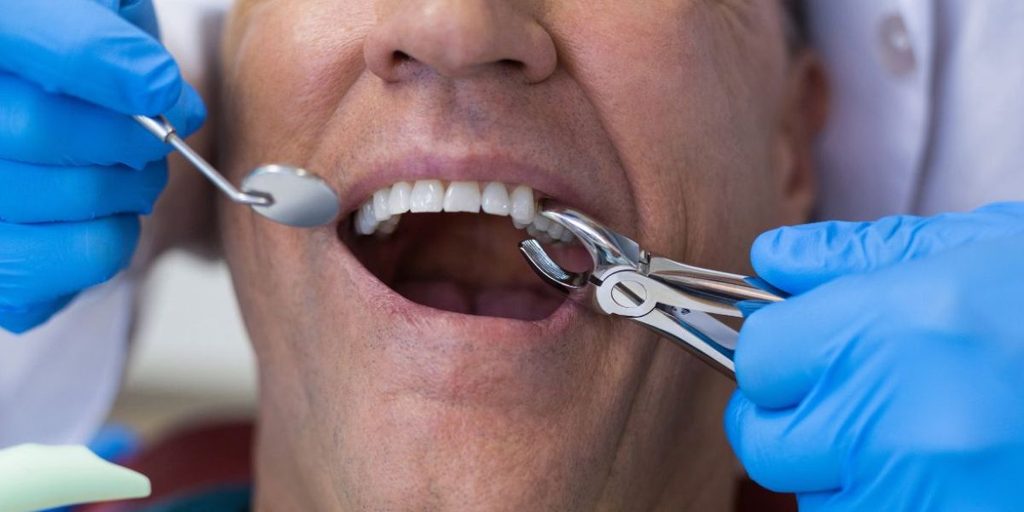
During the procedure, your dentist uses local anaesthesia to numb the area. Therefore, you shouldn’t feel sharp pain during the process. However, you may feel pressure or movement during the extraction.
Expect to feel some soreness once the anesthesia wears off. The intensity depends on factors like the type of extraction, the position of the tooth, the amount of surrounding tissue affected, and your individual healing response.
Simple extractions often cause less discomfort than surgical extractions.
What Causes Pain After Tooth Extraction?
Some soreness after extraction is part of normal healing. The tissues around the extraction site have been disturbed, and inflammation develops as the body starts repairing the area.
Therefore, pain and swelling can be more noticeable during the first few days. With wisdom tooth surgery, swelling may be most noticeable around the second or third day before gradually improving.
However, pain that becomes significantly worse after initially improving deserves attention. One possible cause is dry socket, which occurs when the blood clot protecting the extraction socket becomes displaced or breaks down too early.
How to Reduce Pain After Tooth Extraction
1. Take pain medication as directed
For maximum relief, take your pain meds as your dentist prescribed.
For adults and adolescents aged 12 and above, current guidance supports non-opioid medicines like ibuprofen or naproxen, alone or with acetaminophen, as first-line options for acute dental pain after extraction.
However, these medicines are not appropriate for everyone. For example, NSAIDs may be unsuitable for people with certain stomach, kidney, cardiovascular, bleeding, allergy, pregnancy, or medication-related concerns.
Therefore, ask your dentist or doctor what is appropriate for you.
Also, never exceed the recommended dose or combine products containing the same active ingredient.
2. Protect the blood clot
The blood clot that forms inside the socket is important for healing. During the first 24 hours, avoid vigorous rinsing, forceful spitting, or repeatedly touching the extraction area.
Do not use straws immediately after extraction unless your dentist specifically tells you otherwise. The goal is to avoid actions that can disturb the healing socket.
3. Choose soft foods
For the first day or two, choose foods that require little chewing. Options can include yoghurt, mashed vegetables, scrambled eggs, pasta, or other soft foods recommended by your dentist.
Avoid very hot foods and drinks while your mouth is still numb. You could accidentally burn or bite yourself without realising it.
Try chewing on the opposite side of your mouth so that food does not repeatedly irritate the extraction site.
4. Use cold therapy for swelling
A cold pack placed against the outside of the cheek can help reduce swelling and discomfort during the early recovery period.
However, use it for only short intervals. Your dentist may provide specific instructions depending on the type of extraction you had.
5. Keep your mouth clean
Oral hygiene still matters after an extraction. However, the extraction site needs special care.
For that first day, follow whatever your dentist said about rinsing your mouth. From the following day, many dental aftercare protocols recommend gentle warm salt-water rinses, particularly after eating.
Brush your other teeth normally, but be gentle around the extraction site. Do not aggressively brush directly over the socket.
6. Avoid smoking and vaping
Smoking can interfere with healing and increase the risk of complications like dry socket. Vaping can also irritate the healing area.
Therefore, avoid smoking for as long as your dental team recommends. The longer you can avoid it during the initial healing period, the better.
7. Rest and avoid strenuous activity
Take it easy on the day of your extraction. Heavy exercise and strenuous activity can increase discomfort or contribute to bleeding.
Return to normal activities gradually, based on how you feel and the instructions provided by your dentist.

How to Relieve Pain After Tooth Extraction When It Gets Worse
While not every increase in discomfort is an emergency, you shouldn’t treat worsening pain with more medication.
Contact your dentist if pain becomes stronger after a few days, especially if it is accompanied by a bad taste, bad breath, increasing swelling, fever, or discharge.
Dry socket commonly causes increasing pain several days after extraction and may require treatment at the dental clinic. A dentist can clean the area and place a medicated dressing when appropriate.
Seek urgent medical attention if you develop significant facial swelling, difficulty breathing or swallowing, uncontrolled bleeding, or other rapidly worsening symptoms.
When Should You Contact a Dentist?
Contact your dentist if:
- Pain is getting worse rather than gradually improving.
- You develop a fever or significant swelling.
- There is pus, discharge, or a persistent unpleasant taste.
- Bleeding doesn’t settle with firm pressure.
- You have difficulty swallowing or breathing.
- You develop persistent numbness or another unusual symptom.
Final Takeaway
The best approach to tooth extraction pain is not simply taking a painkiller. Protect the blood clot, eat soft foods, maintain careful oral hygiene, avoid smoking, rest during the early recovery period, and follow the instructions as prescribed.
Most importantly, pay attention to your symptoms. Discomfort should generally become easier to manage as healing progresses. However, if pain worsens after a few days, it can signal a complication and deserves professional assessment.
Experiencing lingering or worsening pain after an extraction? Book your consultation today.
FAQs
1. Does tooth extraction hurt after the procedure?
Some soreness is normal once the local anaesthetic wears off. The amount of discomfort depends on the type and complexity of the extraction.
2. How long does pain after tooth extraction last?
Many people experience noticeable soreness for several days, although recovery varies. Surgical or wisdom tooth extractions can involve more discomfort and swelling.
3. What is the fastest way to reduce extraction pain?
Stick closely to the pain-relief plan your dentist laid out for you, protect the blood clot, use cold therapy for early swelling, eat soft foods, and avoid smoking.
4. Can I take ibuprofen after a tooth extraction?
Ibuprofen is commonly recommended for acute dental pain and is supported by guidelines for many adults and adolescents. However, it may not be suitable for everyone.
5. Can I take paracetamol after tooth extraction?
Paracetamol, also called acetaminophen, can be used for dental pain in appropriate patients. Follow the recommended dose and check other medicines to avoid accidentally taking too much.