
You may brush twice a day, floss regularly, and still wake up with sore jaws or sensitive teeth. Why does that happen?
Stress can affect your oral health in ways that many people overlook. It may increase the risk of gum disease, trigger teeth grinding during sleep, and leave you searching for effective teeth grinding treatment or an experienced jaw pain dentist.
If left untreated, these problems can gradually damage your teeth, jaw joints, and overall oral health. At Sure Smile Dental Care, patients receive personalized care and advanced bruxism treatment that focuses on relieving symptoms, addressing the underlying cause, and protecting long-term oral health.
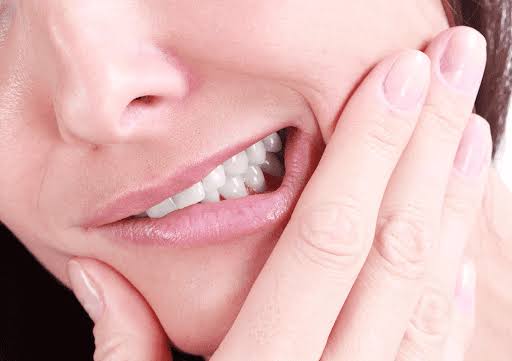
How Does Stress Affect Your Teeth and Gums?
Stress affects much more than your mood. It can also change what happens inside your mouth. The stress effects on teeth often develop slowly because stress increases inflammation, weakens your body’s natural defence system, and encourages habits that can harm your teeth and gums.
Many people do not realize these changes are happening until they begin to experience discomfort or notice visible damage.
Common Stress Effects on Teeth
- Clenching or grinding your teeth while sleeping
- Increased plaque buildup because oral hygiene is often neglected
- Dry mouth caused by stress or certain medications
- Slower healing of gum tissues
- A higher chance of gum inflammation and infection
Since these problems usually develop gradually, many people only seek treatment after they experience worn teeth, sore gums, or jaw discomfort.
Why Does Teeth Grinding Happen During Stress?
Teeth grinding, also known as bruxism, is one of the body’s most common responses to emotional stress. Many people grind or clench their teeth while sleeping without even knowing it.
Signs That May Indicate Bruxism
- Flattened or chipped teeth
- Morning headaches
- Jaw stiffness after waking up
- Sensitive teeth
- Clicking sounds when opening the mouth
- Tight facial muscles
Although stress is one of the most common causes, poor sleep, anxiety, certain medications, and bite problems can also contribute.
Without timely bruxism treatment, constant grinding slowly wears tooth enamel, increases sensitivity, and places extra pressure on the jaw joints. A custom mouth guard is often recommended to protect your teeth while you sleep and reduce pressure on your jaw muscles. Starting teeth grinding treatment early can prevent further damage and protect your long-term oral health.
When Does Jaw Pain Become a Serious Concern?
Jaw discomfort after chewing something hard is usually temporary. However, pain that keeps returning should never be ignored.
Your temporomandibular joints help you speak, chew, and yawn comfortably. Constant grinding or clenching places extra pressure on these joints and may lead to TMJ pain.
Common Symptoms of TMJ Pain
- Pain near the ears
- Difficulty opening the mouth fully
- Jaw locking
- Clicking or popping sounds
- Pain while chewing
- Neck and shoulder discomfort
If these symptoms continue, the condition can become more difficult to manage. Visiting an experienced jaw pain dentist as soon as possible helps identify the cause and begin the right treatment before the problem becomes more serious.
Can Teeth Grinding Increase the Risk of Gum Disease?
Many people think gum disease develops only because of plaque. However, repeated teeth grinding can also affect the tissues that support your teeth.
Grinding places constant pressure on your gums and the bone around your teeth. When this happens alongside stress-related inflammation, the risk of gum problems increases.
How Stress and Gum Disease Are Connected
- Reduced immune defence against bacteria
- Increased gum inflammation
- Slower recovery from gum infections
- Greater risk of gum recession
- Weakening of the tissues supporting your teeth
When gum disease and teeth grinding occur together, each condition can make the other worse. That is why dentists usually check for both during a detailed examination.
How Is Teeth Grinding Treatment Planned?
Every patient is different, so there is no single solution for teeth grinding. Your dentist will first determine what is causing the problem before recommending the most suitable teeth grinding treatment.
Custom Mouth Guard
A custom mouth guard protects your teeth from grinding while you sleep and reduces pressure on your jaw muscles and joints. It fits more comfortably than store bought options and offers better protection.
Bite Correction
If an uneven bite is contributing to the grinding, correcting the bite can reduce unnecessary pressure on your teeth and jaw.
Stress Management Support
Because stress often plays a major role, your dentist may suggest relaxation techniques, healthier sleep habits, or guidance from another healthcare professional when needed.
Tooth Restoration
If your teeth have already been damaged by grinding, treatments such as fillings or crowns can restore their strength, appearance, and function.
Early bruxism treatment often prevents more serious dental problems and reduces the need for complex treatment later.
What Daily Habits Can Protect Your Teeth from Stress Effects?
Simple daily habits can make a real difference. While they cannot remove stress completely, they can reduce its impact on your teeth and gums.
Build a Healthy Bedtime Routine
Getting enough sleep may reduce night time grinding. Going to bed at the same time every night and limiting screen use before sleeping can help.
Avoid Chewing Hard Objects
Chewing ice, pens, or fingernails places unnecessary pressure on your teeth and increases the risk of damage.
Reduce Caffeine Later in the Day
Too much caffeine later in the day can affect your sleep and make grinding more likely.
Stay Hydrated
Drinking enough water helps prevent dry mouth, supports healthier gums, and keeps your mouth comfortable.
Relax Your Jaw
If you notice yourself clenching during the day, gently relax your jaw by keeping your lips together while allowing your teeth to stay slightly apart.
Visit Your Dentist Regularly
Regular dental checkups help detect early signs of teeth grinding, gum disease, and TMJ pain, making treatment easier before permanent damage occurs.

When Should You Visit a Jaw Pain Dentist?
Many people delay visiting a dentist because they expect jaw discomfort to go away on its own. However, persistent symptoms should never be ignored, as they may indicate an underlying dental or jaw condition that requires professional care.
You should schedule an appointment if you experience:
- Daily jaw pain
- Morning headaches that continue for several weeks
- Worn or chipped teeth
- Increasing tooth sensitivity
- Bleeding gums along with jaw discomfort
- Difficulty chewing comfortably
- Frequent clicking, popping, or locking of the jaw
Early diagnosis often leads to simpler treatment, lower costs, and better long-term results.
Why Choose Sure Smile Dental Care?
Choosing the right dental team can make your treatment experience more comfortable and reassuring. Since 2010, Sure Smile Dental Care has been providing patient focused dental care supported by advanced digital technology for accurate diagnosis and personalized treatment planning. Patients receive clear explanations, transparent treatment options, and compassionate care tailored to their individual needs.
Led by Dr. Vinod Pattabiraman, Orthodontist and Implantologist, and Dr. Rajalakshmi Sundaram, Prosthodontist and Implantologist, the clinic offers comprehensive services including preventive dentistry, orthodontics, dental implants, restorative dentistry, and full mouth rehabilitation. Whether you are seeking specialized care or affordable dental treatment in Bangalore, the team focuses on delivering high-quality treatment with precision, comfort, and lasting results. Continuous learning and a patient first approach remain at the heart of every treatment provided.
Wrapping Up
Stress may begin in the mind, but its effects often become visible in your mouth. Teeth grinding, gum disease, worn enamel, and persistent TMJ pain are warning signs that should never be ignored. Seeking timely teeth grinding treatment can help prevent permanent tooth damage, relieve jaw discomfort, and protect your long-term oral health.
If you have noticed symptoms such as teeth grinding, sore jaws, or increasing tooth sensitivity, consult the experienced team at Sure Smile Dental Care.
FAQs
1. What causes teeth grinding during sleep?
Stress and anxiety are among the most common causes. However, sleep disorders, bite problems, certain medications, and lifestyle habits such as excessive caffeine intake may also contribute to nighttime grinding.
2. Does a mouth guard stop teeth grinding completely?
A custom mouth guard mainly protects your teeth from damage and reduces pressure on the jaw. While it does not always eliminate grinding, it significantly lowers its harmful effects.
3. Can stress really lead to gum disease?
Yes. Stress weakens the body’s immune response and increases inflammation, making it harder for your gums to fight bacteria. Poor oral hygiene during stressful periods can further increase the risk.
4. How do I know if I need bruxism treatment?
If you wake up with jaw pain, headaches, tooth sensitivity, worn teeth, or your partner hears grinding sounds during sleep, you should visit a dentist for evaluation and appropriate bruxism treatment.
5. When should I see a jaw pain dentist?
You should seek professional care if jaw pain lasts for several days, limits mouth opening, causes difficulty while chewing, or is accompanied by clicking, locking, or persistent headaches.
6. Can TMJ pain be treated without surgery?
Yes. Most cases of TMJ pain improve with conservative treatments such as a custom mouth guard, bite correction, stress management, physiotherapy, and appropriate dental care. Surgery is rarely the first option.