
A sudden toothache can interrupt an otherwise normal day. You might experience a sharp pain while drinking cold water, discomfort when biting into food, or a persistent throbbing sensation that becomes difficult to ignore at night. Sometimes the pain appears without an obvious trigger, even when the affected tooth looks perfectly normal. Understanding toothache causes can help you recognise what might be happening and decide whether the discomfort requires professional dental attention.
Tooth pain can develop for several reasons, including cavities, exposed dentine, cracked teeth, gum inflammation, dental infections and problems associated with existing fillings. While certain types of sensitivity are temporary, persistent or severe pain may indicate an underlying condition that requires treatment. Different toothache causes can also produce similar symptoms, which is why pain alone cannot reliably identify the affected tooth or determine the appropriate treatment.
This guide explores the common causes of toothache, explains why pain sometimes develops suddenly or worsens at night, discusses discomfort following dental fillings and identifies symptoms that should prompt an urgent dental assessment.
What Is a Toothache and Why Does It Happen?
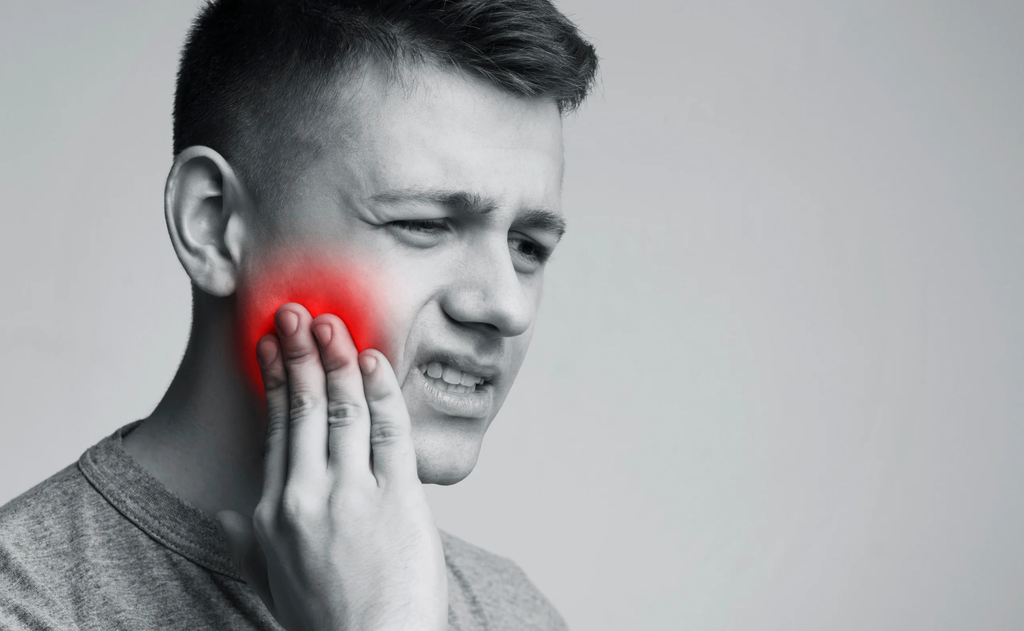
A toothache refers to pain or discomfort experienced in or around a tooth. It may arise from the tooth’s internal tissues, surrounding gums, supporting bone or neighbouring structures. Some people experience brief sensitivity when consuming hot or cold foods, while others develop continuous pain that spreads towards the jaw, ear or temple. Understanding toothache causes requires recognising that dental pain can originate from several different tissues, not necessarily from a visible cavity.
Each tooth contains a central chamber called the pulp, which houses nerves, blood vessels and connective tissue. This sensitive tissue is protected by surrounding dentine and enamel. When tooth decay, a fracture or another condition irritates the pulp, inflammation can develop and produce discomfort. Pain may also occur when the ligament supporting the tooth becomes inflamed or when dentine is exposed because of gum recession or tooth surface wear.
Interestingly, the intensity of pain does not always correspond directly to the extent of damage. A relatively small crack can sometimes cause considerable discomfort, while an advanced cavity may initially produce few symptoms. This makes a dental examination important when pain is unexplained, recurrent or worsening.
What Are the Most Common Causes of Toothache?
The common causes of toothache range from relatively minor sensitivity to conditions involving deep dental infection. Toothache causes often overlap, and more than one problem may be present simultaneously. For example, a tooth affected by decay may also have gum inflammation, while a cracked filling can expose sensitive underlying tooth structure.
The following conditions are among the most frequently recognised explanations for dental pain.
1. Tooth Decay and Cavities
Tooth decay develops when acids produced by bacteria in dental plaque gradually remove minerals from the tooth surface. Over time, repeated mineral loss may result in a cavity, allowing irritants to reach the dentine beneath the enamel. As the cavity progresses, sensitivity to sweet foods, cold drinks or chewing may become more noticeable. Advanced decay can eventually affect the pulp and cause prolonged or spontaneous pain.
Tooth decay is one of the common causes of toothache, but it does not always cause discomfort during its early stages. A person may therefore have a cavity without recognising any symptoms until the damage becomes more extensive. Regular dental examinations can help identify changes before they progress, while treatment depends on the depth and location of the decay. Early lesions may be managed preventively, whereas established cavities often require restorative care.
2. Inflammation of the Dental Pulp (Pulpitis)
Pulpitis refers to inflammation of the soft tissue inside a tooth. It may develop because of deep decay, trauma, a crack or irritation following certain dental procedures. In some situations, inflammation is mild enough that the pulp can recover once the source of irritation is addressed. This is commonly described as reversible pulpitis and may produce brief sensitivity that settles after the stimulus is removed.
More extensive inflammation can lead to irreversible pulpitis, in which the pulp is unlikely to recover without dental treatment. Symptoms may include spontaneous pain, prolonged sensitivity to temperature changes and discomfort that disrupts sleep. However, these patterns are not sufficiently specific for patients to diagnose the condition themselves.
Among the causes of sudden toothache, pulp inflammation is particularly important because symptoms can change as the condition progresses. A dentist may assess temperature sensitivity, percussion response and other clinical findings to determine the likely source.
3. Cracked, Chipped or Fractured Teeth
A cracked tooth may cause sharp pain when biting, chewing or releasing pressure. Cracks can develop after trauma, biting hard objects, repeated grinding or prolonged mechanical stress. Some are clearly visible, while others are extremely fine and difficult to detect without a detailed examination. Certain cracks affect only the enamel, whereas others extend deeper into the tooth and may involve the pulp.
Cracked teeth are important toothache causes because the discomfort can appear intermittently and may be difficult to reproduce. Patients sometimes report pain when chewing a particular food but no discomfort at other times. The appropriate management depends on the crack’s location, depth and effect on the remaining tooth structure. Some cases require monitoring or a restoration, while more extensive fractures may need additional treatment.
4. Gum Disease and Gum Inflammation
Gum conditions can cause pain around teeth even when the tooth structure itself is relatively healthy. Gingivitis develops when plaque accumulation contributes to gum inflammation, which may produce redness, swelling and bleeding during brushing. More advanced periodontal disease can affect the supporting tissues and bone around teeth, potentially leading to tenderness, gum recession or changes in tooth stability.
Although early gum disease is frequently painless, localised gum infections and advanced inflammation can produce significant discomfort. Food trapped between teeth may also irritate nearby gum tissue and create pain that resembles a toothache. A dentist evaluates the gums, teeth and surrounding tissues to distinguish these conditions from decay or pulp-related pain.
Understanding toothache causes therefore requires considering both tooth-related and gum-related conditions, particularly when pain occurs alongside swelling or bleeding.
5. Dental Abscess and Tooth Infection
A dental abscess is a collection of pus associated with a bacterial infection. It may develop near the root of a tooth or within the tissues supporting the teeth. Symptoms can include persistent throbbing pain, tenderness when biting, gum swelling, an unpleasant taste or swelling of the face. Some individuals also develop fever or feel generally unwell.
Dental infections are among the more serious toothache causes because infection can occasionally spread beyond the original site. However, not every toothache indicates an infection, and antibiotics are not appropriate for every episode of dental pain. According to the American Dental Association’s evidence-based guidance, definitive dental treatment is prioritised for many pulp-related conditions, while antibiotics are reserved for specific clinical circumstances.
An abscess requires prompt dental assessment even if pain temporarily decreases. Relief from discomfort does not necessarily mean that the infection has resolved.
6. Tooth Sensitivity and Exposed Dentine
Tooth sensitivity occurs when certain stimuli trigger discomfort, often because dentine has become exposed or the tooth’s protective structures have changed. Dentine contains microscopic channels that communicate with the deeper tissues of the tooth. Cold drinks, sweet foods, touch or changes in temperature can therefore produce brief, sharp sensations.
Possible contributing factors include gum recession, enamel erosion, toothbrush abrasion and tooth wear. Sensitivity is one of the common causes of toothache-like discomfort, but it is important to distinguish ordinary dentine hypersensitivity from pain associated with a cavity, crack or inflamed pulp.
Sensitivity that becomes increasingly frequent, lasts after the stimulus is removed or affects one particular tooth should be evaluated. The underlying cause determines whether preventive measures, desensitising products or another dental intervention may be appropriate.
7. Wisdom Tooth Problems
Wisdom teeth, or third molars, usually emerge during late adolescence or early adulthood, although eruption timing varies. When there is insufficient space or a tooth emerges only partially, the surrounding gum tissue may become irritated and trap food debris or bacteria. Inflammation around a partially erupted tooth is known as pericoronitis.
Symptoms may include pain towards the back of the jaw, swollen gums, difficulty chewing, an unpleasant taste or discomfort when opening the mouth. Some individuals experience repeated episodes, while others have no symptoms despite an impacted wisdom tooth.
Wisdom tooth conditions are among the possible causes of sudden toothache, particularly when discomfort is concentrated behind the last molar. A dental examination and imaging, when indicated, can help establish whether the wisdom tooth is contributing to the symptoms.
8. Teeth Grinding and Jaw-Related Problems
Bruxism refers to involuntary grinding or clenching of the teeth, which may occur during sleep or while awake. Repeated pressure can contribute to tooth wear, sensitivity, muscle fatigue and discomfort around the jaw. Some individuals notice pain upon waking, while others experience headaches or tenderness near the temples.
Problems involving the temporomandibular joint and surrounding muscles may also cause pain that appears to originate from the teeth. This is called referred pain and can make the location of the problem difficult to identify without clinical examination.
Bruxism and jaw-muscle conditions are sometimes overlooked toothache causes because visible tooth decay may be absent. Management depends on identifying the contributing factors and may include behavioural guidance, assessment of the bite or other appropriate measures.
What Causes a Sudden Toothache Without Warning?
A toothache may appear suddenly even though the underlying problem has been developing for some time. A cavity, crack or inflamed pulp can remain relatively quiet until a particular stimulus triggers pain or the condition progresses. The sudden onset of discomfort therefore does not necessarily indicate that the underlying damage occurred recently.
Among the causes of sudden toothache are increased irritation of an already inflamed pulp, a new fracture, food becoming trapped between teeth, a damaged restoration or acute inflammation around a wisdom tooth. Some people also experience pain following changes in temperature or pressure. In certain cases, discomfort may be referred from another location, such as the jaw muscles or maxillary sinuses.
When evaluating toothache causes, dentists consider when the symptoms began, whether the pain is spontaneous or triggered, how long it lasts and whether chewing or temperature changes affect it. These details can help narrow the possible explanations, but they do not replace an examination.
Why Does Toothache Get Worse at Night?
One of the most frustrating experiences is developing dental pain just as you are trying to sleep. Understanding toothache at night causes involves considering both the dental condition and the circumstances that make discomfort more noticeable.
When a person lies down, changes in circulation and pressure may contribute to the perception of throbbing pain in some inflamed dental tissues. However, this does not explain every nighttime toothache. At night, there are also fewer distractions, which can make existing discomfort seem more prominent. People who grind or clench their teeth during sleep may experience additional muscle and dental tenderness.
Inflammation of the dental pulp is another possible explanation for nighttime pain, particularly when discomfort occurs spontaneously or persists after exposure to hot or cold stimuli. Certain dental infections can also produce continuous or throbbing symptoms that interfere with sleep.
Nighttime pain is not enough to diagnose pulpitis or an abscess. Nevertheless, pain that repeatedly interrupts sleep, becomes severe or does not respond to appropriate temporary measures warrants prompt dental assessment.
What Can You Do if Toothache Starts at Night?
If a toothache develops at night and immediate dental treatment is unavailable, a few conservative steps may help manage discomfort temporarily. You can avoid chewing on the painful side, choose soft foods and limit exposure to very hot, cold or sugary items. Gently rinsing with warm salt water may help some adults with local irritation, although it will not treat an infected tooth or repair structural damage.
An over-the-counter pain reliever may be suitable for some individuals when taken according to the product instructions and medical advice. Paracetamol and certain non-steroidal anti-inflammatory medicines are commonly used for temporary dental pain management, but not everyone can take them safely. Medical conditions, pregnancy, allergies and other medications can affect suitability.
Avoid placing aspirin directly against the tooth or gums, applying concentrated essential oils or using excessive heat on a swollen area. If pain is accompanied by spreading facial swelling, difficulty swallowing or difficulty breathing, seek emergency medical assistance rather than waiting until morning.
Toothache After Filling: Is It Normal?
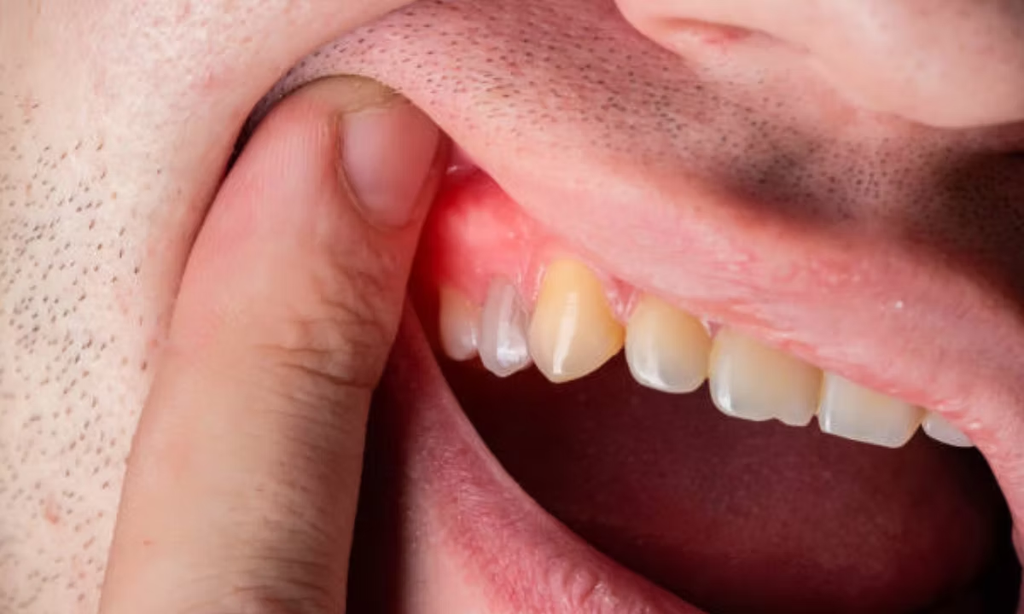
Experiencing a toothache after filling is not always a sign that something has gone wrong. Dental fillings involve removing damaged tooth structure and restoring the affected area with an appropriate material. Depending on the depth of the original cavity and the condition of the tooth, some sensitivity may occur after treatment.
Mild discomfort when chewing or sensitivity to cold may settle as the tooth recovers. However, persistent, worsening or severe symptoms should not automatically be considered a normal part of healing.
Common Reasons for Toothache After Filling
Temporary pulp irritation: A tooth with a deep cavity may already have an irritated pulp before treatment. The restorative procedure can sometimes contribute to temporary sensitivity, particularly when the filling is close to the pulp.
A filling that is too high: If the restored tooth contacts the opposing tooth earlier than expected, additional biting pressure may cause discomfort. This may be especially noticeable when chewing or closing the teeth together.
Pre-existing deep decay: Some teeth have extensive damage before treatment, and symptoms may continue if the pulp has been significantly affected. A filling cannot always resolve pain originating from irreversible pulp inflammation.
A cracked tooth or another underlying condition: In some cases, discomfort may be associated with a crack, gum irritation, or another issue that requires assessment.
Changes around an older filling: A loose, fractured or deteriorating restoration can expose sensitive areas or allow further decay to develop.
A toothache after filling that steadily improves is different from pain that becomes increasingly intense or interferes with normal activities. The latter requires reassessment.
How Long Should Toothache After Filling Last?
There is no single recovery period that applies to every patient. Some people experience little or no sensitivity after a filling, while others notice temporary discomfort that gradually improves over several days or, in some circumstances, longer. The expected recovery depends on factors such as the depth of the cavity, the condition of the pulp, the restoration and the individual’s response to treatment.
If the pain is worsening, feels sharp every time you bite or becomes spontaneous and persistent, contact the treating dentist rather than waiting for an assumed recovery period. A dentist may evaluate the bite, examine the restoration and perform additional tests when necessary.
Understanding toothache causes following restorative care is important because not every post-filling symptom requires the same intervention.
Different Types of Toothache and What They May Indicate
Toothache symptoms sometimes provide clues about the tissues involved, although they cannot confirm a diagnosis. Several conditions can produce similar patterns, and the same dental problem may feel different from one person to another.
| Type of tooth pain | Possible explanations |
| Sharp pain when biting | Cracked tooth, biting pressure, damaged filling or inflamed supporting tissues |
| Brief sensitivity to cold | Exposed dentine, early decay or reversible pulp irritation |
| Lingering pain after hot or cold exposure | More extensive pulp inflammation or other dental pathology |
| Continuous throbbing pain | Pulp inflammation, dental infection or another painful dental condition |
| Pain with swollen gums | Gum inflammation, localised infection or food impaction |
| Pain near the back of the jaw | Wisdom tooth inflammation, a molar problem or referred pain |
| Multiple upper teeth aching with sinus symptoms | Possible sinus-related referred pain |
| Toothache after filling | Temporary sensitivity, bite interference or an underlying problem |
These patterns are intended as general educational guidance. Determining toothache causes usually requires a clinical history, examination and selected diagnostic tests rather than relying only on the description of pain.
Can Sinus Problems Cause Toothache?
Yes. The roots of the upper back teeth are anatomically close to the maxillary sinuses. Inflammation or pressure involving these sinuses can sometimes produce discomfort that feels similar to a dental problem. People with sinus-related pain may describe aching across several upper teeth, particularly when they also have nasal congestion, facial pressure or other sinus symptoms.
However, the presence of a cold or blocked nose does not automatically mean that tooth pain is caused by sinusitis. A dental condition can occur at the same time as a respiratory illness, and infections involving upper teeth may occasionally contribute to sinus problems.
When examining toothache causes, dentists consider whether the symptoms are localised to one tooth, associated with chewing, triggered by temperature or accompanied by other clinical findings. Medical assessment may be needed when a sinus-related condition is suspected.
When Should You See a Dentist for Sudden Toothache?
Not every brief episode of sensitivity represents an emergency, but persistent or significant tooth pain deserves attention. A dental assessment is advisable if discomfort continues for more than one or two days, repeatedly returns, affects eating or sleep, or does not improve with suitable temporary pain management.
Pain when biting, a broken tooth, a loose filling, gum swelling or an unpleasant taste may also indicate a condition that requires evaluation. When considering toothache causes, it is important to recognise that symptoms sometimes lessen temporarily without the underlying problem resolving.
Signs That Require Prompt Dental Attention
Arrange urgent dental assessment for symptoms such as:
- Severe or worsening tooth pain, particularly when it interferes with sleep or daily activities.
- Localised swelling of the gums, cheek or jaw.
- Fever, feeling unwell or an unpleasant taste associated with suspected dental infection.
- Pain following a fractured tooth, dental injury or damaged restoration.
- Difficulty opening the mouth, especially when accompanied by pain or swelling.
These findings can have different explanations and levels of urgency. A dentist can determine whether same-day treatment, further investigation or another form of care is appropriate.
When Is Toothache a Medical Emergency?
Seek emergency medical care immediately if dental pain is accompanied by difficulty breathing or swallowing, significant or rapidly spreading swelling of the mouth, face or neck, swelling affecting the eye or vision, or a serious facial injury. These symptoms can indicate a potentially dangerous infection or injury that requires hospital-level assessment.
Uncontrolled bleeding following an injury or dental procedure also requires urgent evaluation. In India, emergency medical assistance can be contacted through 112 when necessary.
These situations should not be managed solely with home remedies or routine appointment scheduling.
How Do Dentists Diagnose Toothache Causes?
Identifying toothache causes begins with a detailed discussion of the symptoms. A dentist may ask when the pain started, whether it occurs spontaneously, what triggers it and how long it lasts. Previous dental treatment, recent injuries, medical conditions and current medications may also be relevant.
The clinical examination may include inspecting the teeth and gums for decay, cracks, damaged restorations, swelling or other changes. Dentists may assess tenderness when a tooth is tapped, evaluate biting discomfort and perform temperature-based pulp sensibility tests. Dental radiographs may be recommended when necessary to evaluate areas that cannot be examined directly.
No single test identifies every cause of dental pain. Findings are interpreted together, and additional assessment or review may occasionally be required when symptoms are unclear. A diagnosis then guides whether preventive care, a restoration, treatment of the pulp, management of gum disease or another intervention is appropriate.
What Dental Treatments May Be Recommended for Toothache?
Treatment depends on the underlying diagnosis, the condition of the tooth and the patient’s medical history. Toothache causes are varied, so using the same approach for every painful tooth would be inappropriate.
Dental Fillings
When pain is associated with a cavity that can be managed restoratively, a dentist may remove the decayed tissue and place a filling. The type of restoration depends on the cavity’s location, extent and the remaining tooth structure. A filling restores damaged tooth structure but may not resolve symptoms if the pulp has already developed irreversible inflammation.
Root Canal Treatment
Root canal treatment may be considered when the pulp is irreversibly inflamed or infected and the tooth is suitable for preservation. The procedure involves removing affected pulp tissue, cleaning and shaping the root canal system, and sealing it. The tooth may subsequently require a suitable restoration. Whether this treatment is appropriate depends on clinical and radiographic findings.
Periodontal or Gum Treatment
When tooth pain originates from gum or periodontal disease, treatment may focus on plaque control, professional cleaning and management of inflammation or infection. More extensive periodontal problems may require additional procedures. The treatment plan depends on the severity of the condition and the supporting tissues involved.
Management of Dental Abscesses
Treatment of a dental abscess generally involves addressing the source of infection. Depending on the findings, this may include drainage, root canal treatment or tooth extraction when the tooth cannot be retained. Antibiotics are not routinely necessary for all dental pain or localised infections and should be prescribed only when clinically indicated.
Extraction When a Tooth Cannot Be Restored
In some circumstances, a tooth may be too extensively damaged to restore predictably. Extraction may then be discussed as an option. The decision considers the condition of the tooth, possible alternatives, risks and the patient’s preferences. Not all severe toothaches require extraction.
How to Manage Sudden Toothache Safely at Home
Home measures can sometimes provide temporary comfort while professional dental care is arranged. However, they cannot reliably treat a cavity, remove an infection or restore a fractured tooth. Understanding the distinction between symptom relief and treatment is important when dealing with toothache causes.
Use appropriate pain relief: Over-the-counter medicines such as paracetamol or ibuprofen may help some people, but their suitability depends on age, medical history, pregnancy status and other medications. Follow the product instructions and consult a pharmacist or healthcare professional if uncertain. Ibuprofen and similar medicines may be unsuitable for people with certain kidney, stomach or cardiovascular conditions.
Avoid aggravating foods: Very hot, cold, hard or sweet foods may trigger discomfort. Soft foods and chewing on the unaffected side may temporarily reduce irritation.
Maintain gentle oral hygiene: Continue brushing carefully with a soft-bristled toothbrush. Avoid aggressive cleaning around a painful tooth, and do not use sharp objects to remove trapped food.
Consider a warm saltwater rinse: Adults who can rinse and spit safely may find it helpful for minor oral irritation. It does not eliminate a dental abscess or replace professional treatment.
Avoid unsafe remedies: Do not place aspirin against the gums, apply undiluted clove oil to soft tissues, attempt to drain swelling yourself or use leftover antibiotics.
Pain relief is a temporary measure. If symptoms persist, worsen or occur with warning signs, seek an appropriate dental or medical assessment.
How to Reduce the Risk of Future Toothaches
Although not every dental problem is preventable, consistent oral care can reduce the risk of several common causes of toothache. Brushing twice daily with fluoride toothpaste helps control plaque and supports enamel health, while cleaning between teeth reduces plaque accumulation in areas that toothbrush bristles may not reach. Limiting frequent sugary foods and drinks can also reduce repeated acid exposure associated with tooth decay.
Regular dental assessments allow changes in the teeth, gums and existing restorations to be evaluated. The appropriate recall interval depends on individual risk rather than a fixed schedule for every person. People who grind their teeth, experience persistent dry mouth or have a history of recurrent decay may benefit from specific preventive advice.
Avoiding habits such as chewing ice or using teeth to open packaging can help reduce the risk of fractures. The objective is not to eliminate every possible toothache cause but to address modifiable risks and recognise problems before they progress.
Understanding Toothache Causes: The Importance of an Individual Dental Assessment
Sudden dental pain can be unsettling, particularly when the affected tooth appears normal or symptoms begin without warning. However, toothache causes vary considerably, and the most appropriate response depends on the underlying condition rather than the intensity of pain alone.
A brief episode of sensitivity may have a different explanation from persistent throbbing, discomfort after a filling or pain associated with facial swelling. Dental assessment helps distinguish these conditions and determine whether preventive measures, monitoring or treatment is indicated.
For people in Horamavu and nearby areas of Bengaluru, Sure Smile Dental Care provides general dental examinations and restorative dental services. Patients experiencing unexplained tooth pain can seek a clinical assessment to understand the possible cause and available treatment options.
Conclusion
Sudden dental pain can have several explanations, from tooth sensitivity and cavities to cracked teeth, pulp inflammation and dental infections. Understanding toothache causes helps patients recognise patterns and warning signs, but symptoms alone are rarely sufficient for an accurate diagnosis.
Nighttime pain, discomfort following a filling and sharp sensations when biting may arise from different underlying conditions. Conservative home care may provide short-term relief, but persistent, worsening or severe symptoms require professional evaluation. Swelling accompanied by difficulty breathing or swallowing is a medical emergency.
The most useful approach is to maintain consistent preventive dental care, avoid potentially harmful home remedies and seek an assessment when symptoms suggest that the problem may need treatment.
Frequently Asked Questions About Toothache Causes
1. What are the most common causes of toothache?
The most common causes of toothache include cavities, exposed dentine, cracked teeth, pulp inflammation, gum disease, dental abscesses and problems involving existing fillings. Wisdom tooth inflammation and teeth grinding may also contribute to discomfort. The location and nature of the pain sometimes provide clues, but several conditions can produce similar symptoms. A dental examination is usually required to identify the cause accurately and determine whether preventive care, restoration or another treatment is appropriate.
2. Why does my tooth suddenly hurt when there is no visible cavity?
Several toothache causes may not be visible without a clinical examination. A small crack, exposed dentine, inflammation inside the tooth or an issue beneath an existing restoration may cause pain even when the enamel surface appears normal. Gum-related problems and referred pain from neighbouring structures can also produce discomfort. A dentist may use clinical tests and dental imaging when indicated to investigate symptoms that cannot be explained by visual inspection alone.
3. What are the main causes of sudden toothache at night?
Common toothache at night causes include pulp inflammation, dental infections, teeth grinding and sensitivity associated with damaged tooth structure. Pain may also feel more noticeable at night because there are fewer distractions, and lying down can affect the perception of discomfort in some conditions. Nighttime pain does not establish a specific diagnosis. However, persistent pain that disrupts sleep or becomes increasingly severe should be assessed promptly by a dentist.
4. Can a toothache go away on its own?
Some forms of temporary sensitivity or minor irritation may improve when the triggering factor is removed. However, other toothache causes, including deep decay, irreversible pulp inflammation and dental infections, may not resolve without treatment. Pain can occasionally decrease even when an underlying dental problem remains present, so the disappearance of symptoms does not always indicate healing. Recurrent pain, swelling or significant discomfort should be professionally assessed rather than assuming the condition has resolved.
5. Is toothache after filling normal?
A toothache after filling may occur because the tooth has experienced temporary irritation during treatment, particularly when the original cavity was deep. Mild sensitivity can sometimes settle gradually. However, persistent pain may indicate bite interference, ongoing pulp inflammation, a crack or another problem. Severe, worsening or spontaneous pain is not something to ignore. The treating dentist can examine the restoration and determine whether an adjustment, further investigation or additional treatment may be needed.
6. How long does sensitivity after a dental filling last?
Sensitivity after a filling varies depending on the depth of the original cavity, the condition of the pulp and the individual response to treatment. Some patients experience little discomfort, while others have sensitivity that improves gradually over days or sometimes longer. There is no universal recovery period applicable to every restoration. If symptoms increase, become continuous or interfere with chewing and sleep, a dental review is advisable rather than relying on a predetermined waiting period.
7. Can stress cause a toothache?
Stress does not directly create a cavity, but it may contribute to behaviours such as teeth clenching or grinding. These habits can place additional pressure on teeth and surrounding muscles, sometimes causing sensitivity, jaw discomfort or headaches. Muscle-related referred pain can also feel similar to a toothache. Because several dental conditions may produce overlapping symptoms, stress should not automatically be assumed to be the cause of pain without appropriate assessment.
8. Does a throbbing toothache always mean an infection?
No. Throbbing pain can occur with pulp inflammation, dental infections and other painful conditions, but it is not diagnostic of an abscess. Dentists consider additional features such as swelling, fever, tenderness when biting, sensitivity patterns and clinical examination findings. Some infections may cause relatively little pain, while severe pulp inflammation can produce substantial discomfort without a spreading infection. Understanding toothache causes therefore requires evaluating the complete clinical picture rather than one symptom.
9. What can I do for sudden toothache before seeing a dentist?
Temporary measures may include avoiding foods that trigger pain, chewing on the unaffected side and maintaining gentle oral hygiene. Appropriate over-the-counter pain medication may help some individuals when used according to instructions and medical guidance. Adults may also use a gentle warm saltwater rinse for minor irritation. These measures do not repair cavities or eliminate dental infections. Persistent, worsening or severe tooth pain should be evaluated, and facial swelling with breathing or swallowing difficulties requires emergency care.
10. Can a sinus infection cause tooth pain?
Yes. Inflammation involving the maxillary sinuses can sometimes produce discomfort in the upper back teeth because of their close anatomical relationship. Sinus-related pain may be accompanied by nasal congestion, facial pressure or discomfort involving several upper teeth. However, tooth decay, pulp inflammation and other dental conditions can produce similar symptoms. A dental or medical assessment may be necessary to distinguish sinus-related discomfort from an underlying dental problem.
11. When does toothache become a dental emergency?
Severe pain that prevents sleep or normal activities, worsening swelling, suspected dental infection, significant dental trauma or uncontrolled discomfort may require urgent dental assessment. Seek immediate medical care if there is rapidly spreading swelling, difficulty breathing or swallowing, swelling affecting the eye, or serious facial injury. Different toothache causes require different levels of urgency, and some potentially serious infections may progress even when pain temporarily subsides.
12. Can antibiotics cure a toothache?
Antibiotics are not appropriate for every toothache and do not repair cavities, fractures or inflamed pulp tissue. Many dental conditions require treatment directed at the source of pain, such as a filling, root canal procedure, drainage or another intervention. Antibiotics may be indicated for certain infections, particularly when there are signs of systemic involvement or spreading infection. They should be taken only when prescribed by a qualified healthcare professional. Using leftover or unnecessary antibiotics can delay appropriate treatment and contribute to antimicrobial resistance.