
Dental implants vs dentures often become the first question when a smile starts to feel incomplete. A missing tooth changes more than appearance—it affects speech, chewing, confidence, and even facial structure over time. Choosing the right replacement is not just a dental decision; it’s a lifestyle one.
From fixed solutions that feel natural to removable options that restore function, every choice comes with its own benefits and limitations. At Sure Smile Dental Care, we believe understanding dental implants vs dentures clearly helps you make a confident, informed decision that supports your long-term oral health and everyday comfort.
Book Your Consultation Today and Find the Right Tooth Replacement for You!
Why Replacing Missing Teeth Matters More Than You Think
Ignoring missing teeth can lead to long-term oral health complications that go beyond appearance. Early treatment helps preserve function, structure, and confidence.
Missing teeth are not just cosmetic concerns; they gradually impact oral health, jawbone strength, and facial aesthetics. Early replacement prevents complications like bone loss, shifting teeth, and bite issues.
When a tooth is lost, the surrounding bone begins to shrink due to lack of stimulation. Over time, this can cause:
- Sunken facial appearance
- Difficulty chewing certain foods
- Speech changes
- Increased pressure on remaining teeth
What Happens If You Delay Treatment?
- Adjacent teeth start tilting into the gap
- Opposing teeth over-erupt
- Jawbone deterioration accelerates
- Higher cost and complexity of future treatment
Replacing missing teeth early ensures stability, function, and long-term oral health. Making a timely decision now can prevent more complex and expensive procedures later.
5 Best Tooth Replacement Options for Missing Teeth
Understanding your options helps you choose a solution that fits your lifestyle, budget, and long-term goals. Each option offers unique benefits depending on your dental condition.
Option 1: Dental Implants – The Closest to Natural Teeth
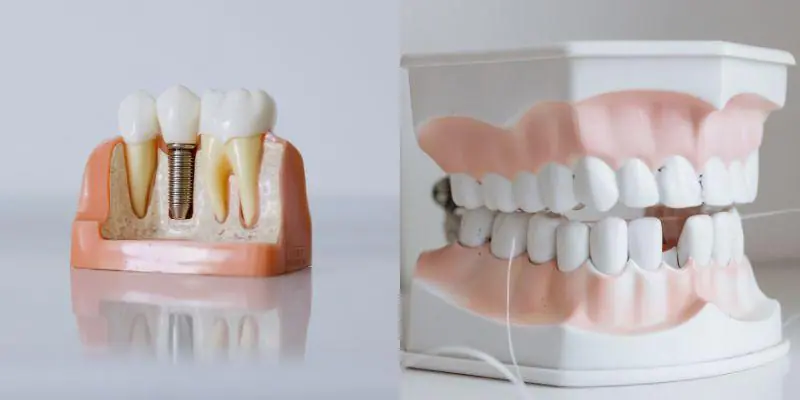
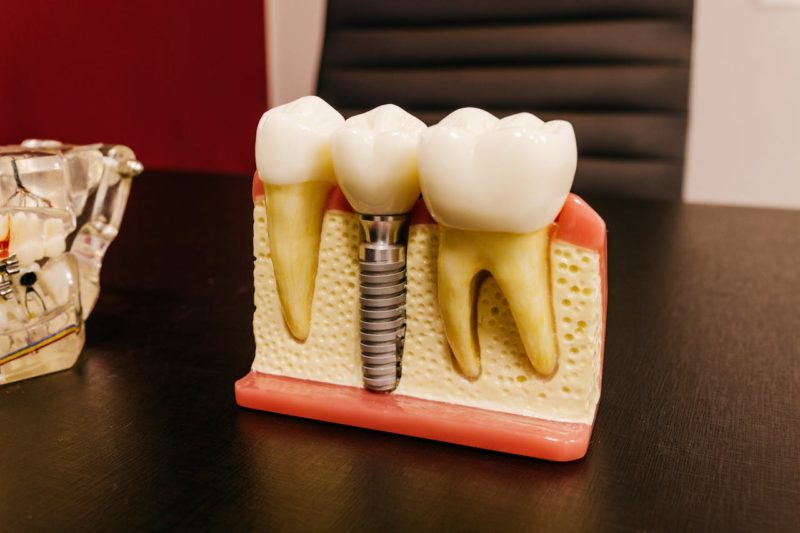
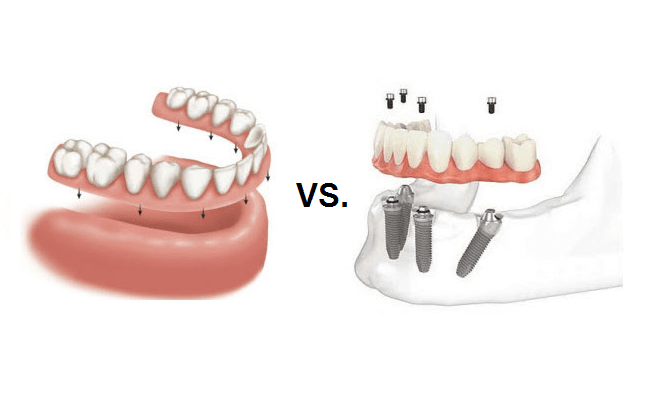
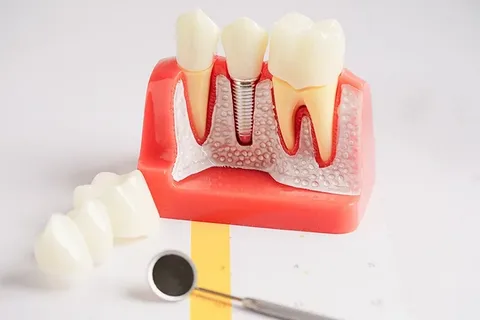
Dental implants are titanium posts placed into the jawbone, acting as artificial roots that support crowns. They provide unmatched stability and closely mimic natural teeth in both function and appearance.
Key Benefits
- Strong and durable
- Prevents bone loss
- No impact on adjacent teeth
- Natural look and feel
Procedure Overview
- Implant placement in jawbone
- Healing period (osseointegration)
- Crown placement
Who Is a Good Candidate?
- Healthy gums
- Adequate bone density
- Good overall health
Dental implants are ideal for those seeking a long-term, low-maintenance solution. If you want a permanent fix that feels closest to natural teeth, implants are often the best choice.
Option 2: Dentures – A Practical and Affordable Solution
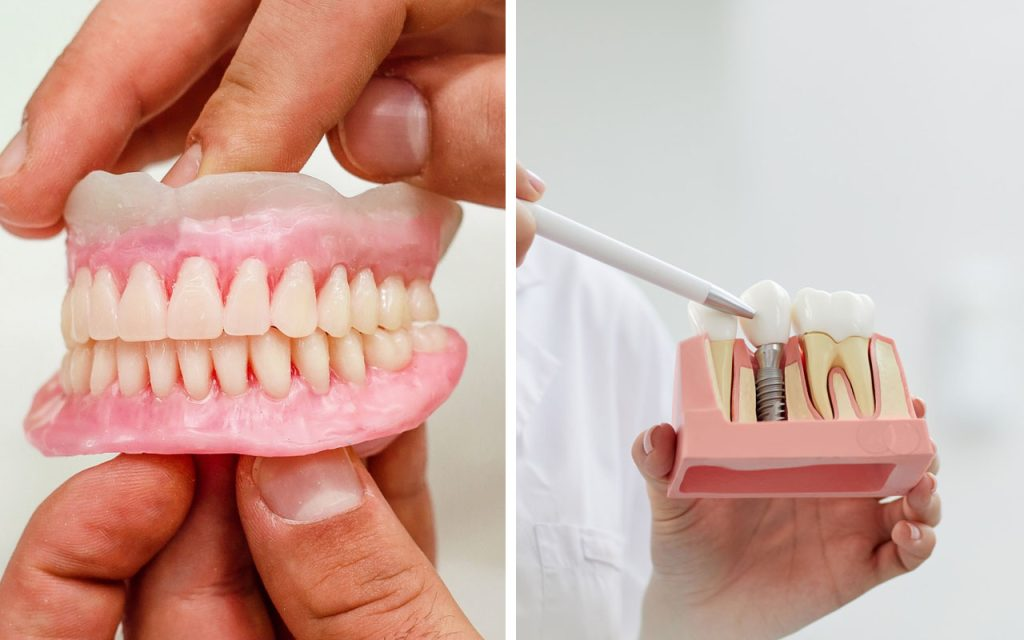
Dentures are removable appliances designed to replace multiple missing teeth. They remain a widely chosen option due to affordability and accessibility.
Types of Dentures
- Complete Dentures: Replace all teeth
- Partial Dentures: Replace a few missing teeth
Advantages
- Cost-effective
- Quick solution
- Non-surgical
Limitations
- May shift while speaking or eating
- Requires regular adjustments
- Does not prevent bone loss
Dentures are often recommended when multiple teeth are missing or when implants are not feasible. For patients prioritizing affordability and quicker results, dentures can be a practical starting point.
Option 3: Dental Bridges – Filling the Gap Seamlessly
Dental bridges “bridge” the gap created by missing teeth by anchoring to adjacent natural teeth. They are fixed solutions that restore both appearance and function.
Benefits
- Fixed and stable
- Faster than implants
- Improves chewing efficiency
Considerations
- Requires reshaping adjacent teeth
- Does not prevent bone loss underneath
Best For
- Patients missing one or two teeth
- Those looking for a quicker fixed option
Bridges are a suitable choice if you want a non-removable solution without undergoing implant surgery.
Option 4: Implant-Supported Dentures – Stability Meets Affordability
Implant-supported dentures combine the advantages of implants and dentures, offering improved stability and comfort.
Why Choose This Option?
- Better grip than traditional dentures
- Reduced slipping
- Improved chewing ability
How It Works
- Implants are placed in the jaw
- Dentures securely snap onto implants
This option is ideal for patients who want enhanced stability without the cost of full-mouth implants. It strikes a balance between performance and affordability.
Option 5: Partial Dentures – Simple Yet Effective
Partial dentures are removable solutions designed for patients who still have some natural teeth remaining. They fill gaps while preserving existing teeth.
Benefits
- Affordable
- Easy to maintain
- Non-invasive
Limitations
- Less stable than fixed options
- Visible metal clasps in some cases
Partial dentures are often used as temporary or transitional solutions. They are a good option if you are looking for a simple way to restore function while planning a more permanent treatment.
Still unsure? Talk to our experts today and get a personalized treatment plan tailored to your needs!
Dental Implants vs Dentures: Which One Should You Choose?
Dental implants vs dentures is one of the most common comparisons patients make when deciding on tooth replacement. Each option serves a different purpose depending on your budget, bone health, and lifestyle. Understanding how they differ can help you make a confident, well-informed decision that supports your long-term oral health.
| Feature | Dental Implants | Dentures |
| Stability | Fixed, does not move | Removable, may shift |
| Comfort | Feels like natural teeth | May feel bulky initially |
| Longevity | 15–25+ years | 5–10 years |
| Bone Preservation | Prevents bone loss | Does not prevent bone loss |
| Maintenance | Brush like natural teeth | Requires removal and cleaning |
| Cost | Higher upfront | More affordable initially |
When Are Implants Better?
- When you want a permanent, long-term solution
- When bone health is sufficient
- When aesthetics and comfort are top priorities
If you’re looking for durability and a natural feel, dental implants are often the better investment.
When Are Dentures Better?
- When multiple teeth are missing
- When budget is a primary concern
- When surgery is not preferred
If you need a quicker and more affordable solution, dentures can be a practical choice.
Why Patients Trust Sure Smile Dental Care for Tooth Replacement
Choosing between dental implants vs dentures becomes easier when guided by experienced professionals who prioritize your comfort and outcomes. At Sure Smile Dental Care, treatment goes beyond replacing teeth—it focuses on restoring confidence, function, and quality of life.
Led by Dr. Vinod Pattabiraman, our clinic combines advanced clinical expertise with a patient-first approach to deliver reliable, long-lasting results.
What Sets Us Apart?
- Advanced diagnostic technology for precise treatment planning
- Personalized care tailored to your dental needs
- Expertise in implants, orthodontics, and full-mouth rehabilitation
- Comfortable and patient-friendly environment
Expertise You Can Rely On
Dr. Vinod’s contributions to orthodontics, including innovations like the Neoslider appliance and award-winning research, reflect a strong commitment to excellence. His experience ensures that every treatment is accurate, effective, and customized to each patient.
At Sure Smile Dental Care, we don’t just replace teeth—we help you regain confidence with a smile that feels natural and secure.
How to Choose the Right Tooth Replacement Option
Choosing between dental implants vs dentures and other options depends on several important factors. A personalized consultation helps ensure that your choice aligns with your long-term oral health goals.
Key Factors to Consider
- Number of missing teeth
- Bone health and gum condition
- Budget and financial planning
- Lifestyle preferences and daily comfort
- Long-term durability expectations
The right decision is not just about cost—it’s about comfort, function, and lasting results.
Expert Tip
A solution that seems affordable today should also remain reliable over time. Prioritizing long-term comfort and durability often leads to better outcomes than focusing only on initial cost.
Wrapping Up
Dental implants vs dentures is not about choosing a universally “better” option—it’s about choosing what works best for your individual needs. Each solution offers unique advantages, and the right choice depends on your oral health, lifestyle, and expectations.
At Sure Smile Dental Care, we guide you through every step, ensuring you fully understand your options before making a decision. Whether you prefer the permanence of implants or the flexibility of dentures, the goal remains the same—restoring your smile with confidence, comfort, and long-term success.
Take the First Step Toward a Confident Smile—Book Your Consultation Today!
FAQs
1. Are dental implants painful?
The procedure is performed under anesthesia, making it comfortable. Mild discomfort may occur post-surgery but is manageable with medication and usually subsides within a few days.
2. How long do dental implants last compared to dentures?
Dental implants can last 15–25 years or more with proper care, while dentures typically need replacement every 5–10 years due to wear and changes in jaw structure.
3. Can I switch from dentures to implants later?
Yes, many patients transition from dentures to implants later. However, bone loss over time may require additional procedures like bone grafting before implant placement.
4. Which option looks more natural: implants or dentures?
Dental implants provide the most natural look and feel because they mimic real teeth. Dentures can also look natural but may not offer the same level of realism.
5. Are dental implants suitable for older adults?
Age is not a limiting factor. As long as overall health and bone condition are suitable, older adults can successfully receive dental implants.
6. How do I maintain dentures vs implants?
Dentures require daily removal and cleaning, while implants can be maintained like natural teeth with brushing, flossing, and regular dental checkups.