
Jaw realignment surgery for overbite often becomes a life changing decision after years of hiding smiles, struggling with chewing, or living with jaw discomfort. Many patients realize later that their overbite affected far more than appearance alone. At Sure Smile Dental Care, we help patients clearly understand every treatment stage before jaw realignment surgery for overbite becomes necessary.
What Most Patients Misunderstand About an Overbite
Many people assume an overbite is only a cosmetic issue. However, the reality is far more complex because it can affect daily comfort, speech, sleep, and jaw function.
An overbite occurs when the upper teeth significantly overlap the lower teeth. Mild cases can often be treated with braces or aligners, whereas severe skeletal overbites may require jaw realignment surgery for overbite correction.
Signs an Overbite May Be More Serious Than Expected
Chronic Jaw Pain and Tension
Patients often ignore jaw soreness for years because they believe it is stress related. However, severe bite imbalance can place excess strain on the jaw joints and surrounding muscles.
Difficulty Chewing Certain Foods
Uneven bite pressure can make chewing uncomfortable and inefficient, especially while eating harder foods.
Speech Difficulties
Certain overbites affect pronunciation and speech clarity, particularly with “s,” “f,” and “th” sounds.
Facial Imbalance
A recessed lower jaw may affect facial proportions and lower overall confidence.
Teeth Wear and Damage
Excessive overlap may cause abnormal tooth wear, fractures, and gum problems over time.
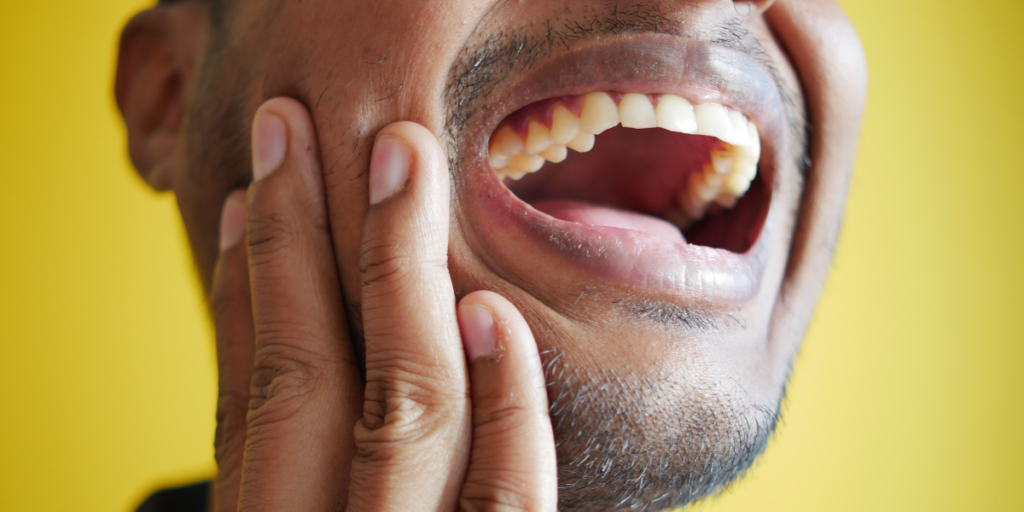
When Jaw Realignment Surgery for Overbite Becomes Necessary
Not every overbite requires surgery. Orthodontists carefully evaluate the severity of jaw misalignment before recommending surgical correction.
Jaw realignment surgery for overbite is usually recommended when the issue is skeletal rather than purely dental.
Situations Where Surgery May Be Recommended
Severe Skeletal Discrepancy
If the upper and lower jaws are significantly mismatched, braces alone cannot reposition the jaw structure properly.
Breathing or Sleep Concerns
Some patients experience airway narrowing or obstructive sleep related concerns because of improper jaw positioning.
TMJ Discomfort
Persistent jaw joint pain may gradually worsen if skeletal imbalance remains untreated.
Failed Orthodontic Correction Earlier
Some adults undergo braces during childhood only to notice the bite relapse later because the jaw structure itself was never corrected.
Braces vs Jaw Realignment Surgery for Overbite
Patients frequently ask whether braces alone can solve the issue. The answer depends entirely on whether the problem is dental or skeletal.
The table below explains the difference clearly.
| Factor | Braces or Aligners | Jaw Realignment Surgery for Overbite |
| Corrects tooth alignment | Yes | Yes |
| Corrects jaw position | Limited | Completely |
| Suitable for mild overbite | Yes | Rarely needed |
| Suitable for severe skeletal overbite | No | Yes |
| Improves facial balance | Slightly | Significantly |
| Treatment duration | 12 to 24 months | Combined orthodontic and surgical timeline |
| Long term stability | Moderate in severe cases | Higher for skeletal correction |
| Functional bite improvement | Partial | Comprehensive |
How Orthodontists Decide the Right Approach
Digital Scans and Bite Analysis
Advanced imaging helps measure jaw positioning accurately and improves treatment planning.
Facial Profile Assessment
Orthodontists evaluate how jaw positioning affects both facial balance and oral function.
Growth Stage Consideration
Teenagers and adults require different treatment planning strategies for jaw realignment surgery for overbite
What Patients Wish They Knew Before Surgery
Many patients say the emotional and functional impact of jaw realignment surgery for overbite was easier than expected, but they also wish they had understood certain realities earlier.
These insights help future patients prepare better, both mentally and physically.
Recovery Is Gradual, Not Instant
Swelling, temporary discomfort, and dietary changes are normal during recovery. However, healing improves steadily week by week after jaw realignment surgery for overbite.
The First Few Weeks Matter Most
Soft foods, proper oral hygiene, and regular follow up visits directly affect recovery quality and overall healing progress.
Facial Appearance Changes Slowly
Patients often expect immediate results. However, final facial balance and refinement become more visible gradually over several months.
Surgery Improves More Than Appearance
Many patients notice unexpected functional benefits after healing from jaw realignment surgery for overbite.
Better Breathing Quality
Correct jaw positioning can improve airway space and overall breathing comfort.
Reduced Jaw Strain
Balanced jaw function reduces pressure on joints and muscles significantly.
Improved Confidence
Patients often report feeling more comfortable speaking, smiling, and socializing after treatment.
The Complete Treatment Journey at Sure Smile Dental Care
Patients feel more confident when they understand every step before beginning treatment. At Sure Smile Dental Care, treatment planning is highly personalized for every individual.
Step 1: Comprehensive Diagnosis
Digital X rays, photographs, bite scans, and jaw assessments are performed carefully to understand the severity of the overbite.
Step 2: Orthodontic Preparation
Braces or aligners are usually used before jaw realignment surgery for overbite to align teeth into ideal positions.
Step 3: Surgical Planning
Jaw surgeons and orthodontists collaborate closely to create a precise surgical roadmap for long term stability.
Step 4: Jaw Realignment Surgery
The jaw is repositioned carefully to improve bite alignment, facial harmony, and functional balance.
Step 5: Post Surgical Orthodontics
Final orthodontic adjustments stabilize the bite and improve long term treatment results after jaw realignment surgery for overbite.
Recovery After Jaw Realignment Surgery for Overbite
Recovery becomes smoother when patients know what to expect beforehand. Proper preparation helps reduce unnecessary anxiety and supports comfortable healing.
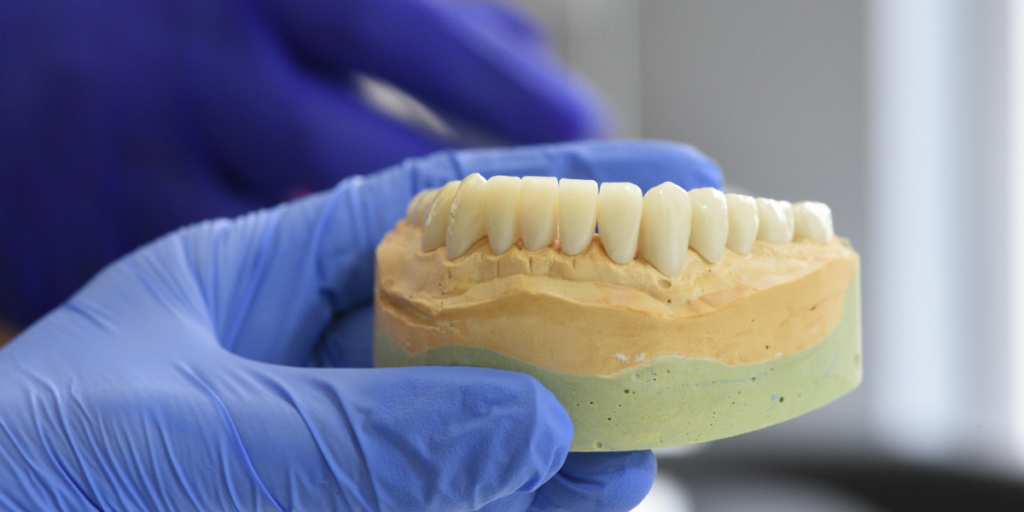
Typical Recovery Timeline
| Recovery Stage | What Patients Usually Experience |
| First week | Swelling , soft diet , and mild discomfort |
| 2 to 4 weeks | Improved speaking and eating ability |
| 1 to 3 months | Reduced swelling and better jaw movement |
| 6 to 12 months | Final bite stabilization and facial refinement |
Tips That Help Patients Recover Comfortably
Follow Dietary Instructions Carefully
Soft foods prevent unnecessary pressure on healing areas after jaw realignment surgery for overbite.
Maintain Oral Hygiene Consistently
Clean healing areas help reduce infection risks and improve recovery quality.
Attend Every Follow Up Appointment
Regular monitoring helps orthodontists track healing progress accurately and adjust treatment when needed.
Avoid Comparing Recovery with Others
Healing speed varies naturally between individuals, so every recovery experience is different.
Why Patients Trust Sure Smile Dental Care for Complex Overbite Correction
Successful jaw correction requires collaboration, precision, and long-term orthodontic expertise. Patients often choose Sure Smile Dental Care because of its patient-focused treatment approach.
Expert Guidance from Dr. Vinod Pattabiraman
Dr. Vinod Pattabiraman is a respected orthodontist known for combining advanced orthodontic techniques with compassionate patient centered care. His MDS in Orthodontics and Dentofacial Orthopedics from the Government Dental College and Research Institute, Bangalore reflects years of specialized training.
As a Platinum Provider with Flash Orthodontics, he is recognized for delivering innovative orthodontic solutions tailored to complex dental concerns, including jaw realignment surgery for overbite.
Recognized Contributions in Orthodontics
Dr. Vinod has received recognition at prestigious orthodontic conferences, including the Indian Orthodontic Conference and Asia Pacific Orthodontic Conference.
His Neoslider appliance innovation reflects his commitment to improving treatment efficiency, patient comfort, and orthodontic outcomes.
Advanced Care with Personalized Attention
At Sure Smile Dental Care, patients receive comprehensive support for:
- Jaw correction treatments
- Smile enhancement procedures
The clinic focuses on combining modern technology with compassionate care to ensure comfortable treatment experiences for every patient.
Emotional Changes Patients Rarely Expect After Treatment
Most online discussions focus heavily on surgery and recovery, but patients often describe emotional improvements as equally meaningful after jaw realignment surgery for overbite.
Increased Confidence in Photographs
Many patients feel more comfortable smiling naturally after treatment correction.
Better Social Comfort
Improved speech clarity and facial balance can positively influence communication and social interactions.
Reduced Self Consciousness
Patients who previously avoided side profile photographs often report feeling more relaxed and confident socially.
Improved Eating Experience
Simple activities like biting sandwiches or chewing evenly become much easier and more comfortable after jaw realignment surgery for overbite.
Wrapping up
Jaw realignment surgery for overbite is not only about changing facial appearance. It also addresses long term functional concerns involving chewing, speech, jaw health, breathing, and confidence. Patients who understand the complete treatment process early often feel more prepared and less anxious about treatment.
At Sure Smile Dental Care, every treatment plan is designed carefully to improve both oral function and quality of life through advanced orthodontic expertise and compassionate patient care. With proper diagnosis, personalized planning, and long-term support, jaw realignment surgery for overbite can significantly improve both comfort and confidence.
FAQs
1. How painful is jaw realignment surgery for overbite?
Most patients describe the discomfort as manageable rather than severe. Swelling and soreness are common initially, but medications and guided recovery support help significantly.
2. How long does recovery take after jaw realignment surgery?
Initial healing usually takes a few weeks, while complete stabilization and facial refinement may continue for several months.
3. Can braces alone fix a severe overbite?
Braces can correct mild to moderate dental overbites. Severe skeletal overbites often require surgical correction for stable long-term results.
4. Will jaw realignment surgery change facial appearance?
Yes. Surgical correction often improves facial balance, jaw symmetry, and profile aesthetics naturally.
5. Is jaw realignment surgery permanent?
When combined with proper orthodontic treatment and retention, results are generally stable and long-lasting.
6. What is the right age for jaw realignment surgery for overbite?
Most patients undergo surgery after jaw growth is complete, typically during late teenage years or adulthood.