
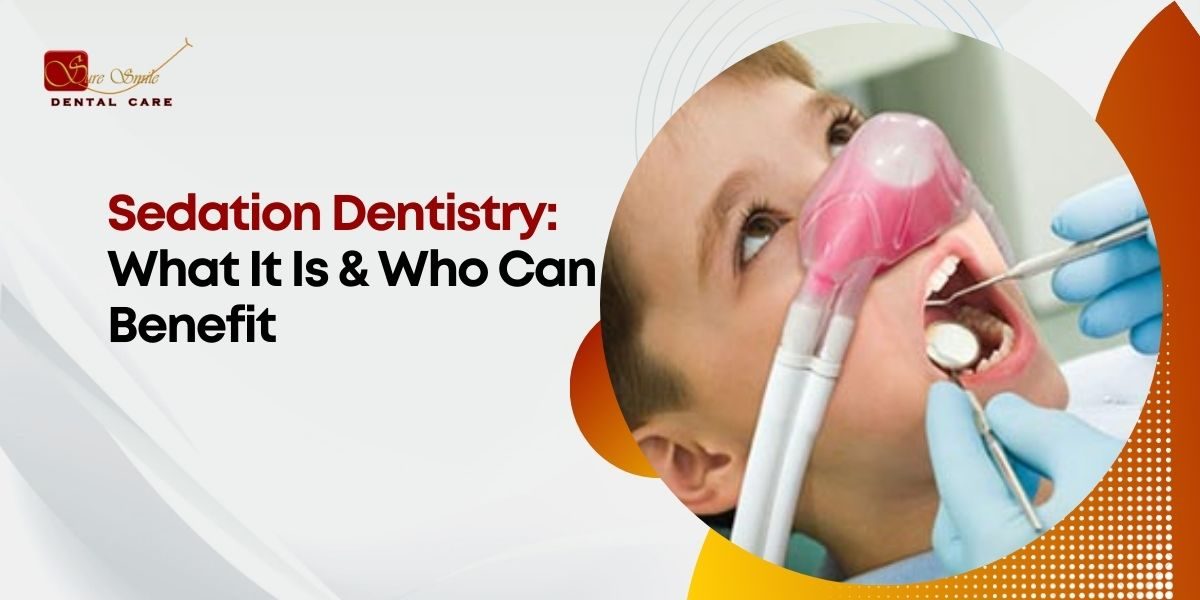
Sedation dentistry explained—it means redefining how dental care feels for patients who associate dental visits with fear, discomfort, or emotional stress. For many, anxiety begins even before the appointment—triggered by sounds, memories, or the anticipation of pain. This fear often leads to postponed treatments, worsening oral health, and avoidable complications. Sedation dentistry addresses this challenge by creating a relaxed and controlled environment where comfort is prioritized without compromising safety.
At Sure Smile Dental Care, sedation dentistry is carefully planned, medically assessed, and delivered with precision. Led by Dr. Vinod Pattabiraman, a respected orthodontist known for his patient-centric approach, every sedation protocol is tailored to individual needs. From mild relaxation to deeper sedation, the focus remains on helping patients feel calm, supported, and in control throughout their treatment journey.
Book Your Free Consultation Now!
Sedation Dentistry Explained in Simple Terms
A relaxed dental experience starts with clarity.
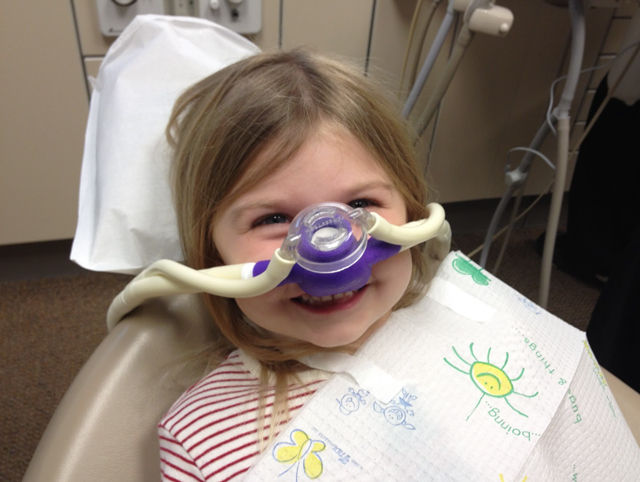
Sedation dentistry explained simply involves the use of controlled medication to help patients remain calm and comfortable during dental procedures. It does not always mean sleep; rather, it helps reduce anxiety while allowing patients to stay aware and responsive.
Sedation dentistry explained correctly includes:
- Reducing anxiety and nervousness
- Minimizing pain perception
- Helping patients sit comfortably for longer procedures
- Controlling gag reflexes
- Improving cooperation during treatment
At Sure Smile Dental Care, sedation dentistry is carefully integrated across multiple treatments, all while maintaining full patient awareness and safety.
Why Sedation Dentistry Is Not the Same as General Anesthesia
Understanding the difference builds patient confidence, which is why sedation dentistry explained properly must clarify this common confusion.
Key differences include:
- Patients remain conscious during most sedation methods,
- Breathing remains natural without the need for ventilators,
- Responsiveness to verbal cues is maintained, and
- Recovery is faster compared to general anesthesia.
General anesthesia is used only when medically required. Most dental treatments benefit from minimal to moderate sedation, offering comfort without inducing deep unconsciousness.
Types of Sedation Dentistry Used in Modern Dental Clinics
Each sedation type serves a specific comfort need, and sedation dentistry explained through its options allows patients to make informed decisions.
Oral Sedation
- Medication taken before the appointment
- Induces drowsiness and calmness
- Patient stays awake but relaxed
- Ideal for moderate dental anxiety
Inhalation Sedation (Nitrous Oxide)
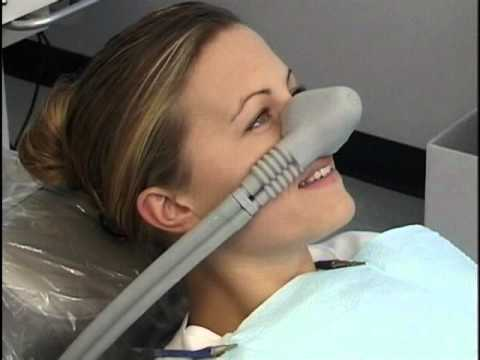
- Administered through a nasal mask
- Fast-acting and easily adjustable
- Effects wear off quickly
- Suitable for mild anxiety and shorter procedures
IV Sedation
- Medication delivered directly into the bloodstream
- Provides a deeper level of relaxation
- Limited memory of the procedure
- Ideal for complex or lengthy treatments
General Anesthesia
- Induces complete unconsciousness
- Reserved for special medical or surgical cases
- Requires advanced monitoring and recovery
Sedation Dentistry Explained Through a Practical Comparison
| Factor | Regular Dental Care | Sedation Dentistry |
| Anxiety Levels | Fully experienced | Significantly reduced |
| Pain Awareness | Normal perception | Diminished |
| Gag Reflex | Active | Controlled |
| Treatment Duration | Often multiple visits | Fewer, longer visits |
| Memory of Procedure | Full recall | Partial or minimal |
| Patient Comfort | Variable | Consistently high |
Who Can Benefit the Most from Sedation Dentistry
Some patients experience life-changing relief through sedation. Sedation dentistry explained clinically shows strong benefits for:
- Patients with severe dental anxiety or phobia
- Individuals with past traumatic dental experiences
- People with sensitive teeth or low pain tolerance
- Patients with strong gag reflexes
- Those requiring multiple or lengthy procedures
- Children or adults with special healthcare needs
- Patients undergoing full mouth rehabilitation
At Sure Smile Dental Care, each patient undergoes a detailed evaluation before sedation is recommended, ensuring both safety and effectiveness.
Dental Procedures Commonly Performed Under Sedation
Comfort expands treatment possibilities. Sedation dentistry explained in practice is commonly used for:
- Dental implants
- Wisdom tooth extractions
- Root canal treatments
- Full mouth rehabilitation
- Surgical orthodontic procedures
- Multiple fillings or restorations in a single visit
By reducing patient movement and stress, sedation allows dentists to work with greater precision and efficiency while keeping patients at ease throughout.
Safety Measures Followed in Sedation Dentistry
Patient comfort must always be accompanied by medical security. Sedation dentistry explained responsibly includes strict safety protocols.
At Sure Smile Dental Care, safety involves:
- Comprehensive medical history review
- Medication interaction assessment
- Pre-sedation vital checks
- Continuous oxygen and heart rate monitoring
- Emergency preparedness protocols
- Post-procedure observation and guidance
Dr. Vinod Pattabiraman’s academic background and clinical experience ensure that sedation is administered in line with global safety standards.
Sedation Dentistry at Sure Smile Dental Care
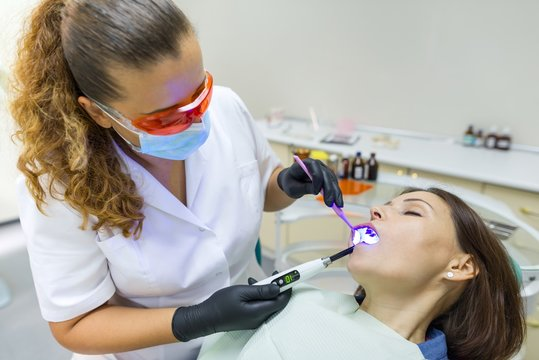
Expertise and empathy work together for optimal care. Sedation dentistry explained at Sure Smile Dental Care reflects a balance between innovation and compassion.
Key strengths include:
- Leadership by Dr. Vinod Pattabiraman, MDS Orthodontics
- Platinum Provider status with Flash Orthodontics
- Award-winning academic and clinical contributions
- Experience in complex dental and orthodontic cases
- Patient-focused consultation and communication
Every sedation plan is customized to patient comfort, medical needs, and treatment goals, making the experience safe and reassuring.
How Patients Feel During and After Sedation Dentistry
Knowing what to expect significantly reduces fear.
During sedation
- Patients feel calm and relaxed
- Anxiety is significantly reduced
- Awareness is present but muted
After treatment
- Mild drowsiness may occur
- Memory of the procedure is often limited
- Recovery time depends on the sedation type
- Clear post-care instructions are provided
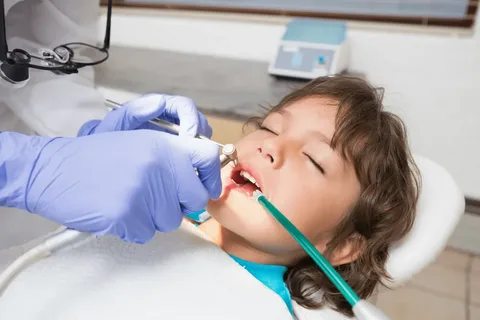
Most patients report a surprisingly positive experience, appreciating both the comfort and precision that sedation dentistry provides.
Wrapping Up
Sedation dentistry explained shows that dental visits can be calm and stress-free. At Sure Smile Dental Care, treatments are planned for comfort, safety, and effectiveness. Patients can overcome anxiety, receive care confidently, and take control of their oral health. With the right approach, dental visits become positive and manageable.
FAQs
1. Is sedation dentistry safe for anxious patients?
Yes, sedation dentistry is safe when administered following proper medical evaluation and monitoring.
2. Will I be asleep during sedation dentistry?
Most sedation methods keep patients awake but are deeply relaxed.
3. How long does sedation dentistry recovery take?
Recovery depends on the sedation type, with mild sedation wearing off quickly.
4. Can sedation dentistry be used for orthodontic procedures?
Yes, sedation dentistry supports complex orthodontic and surgical treatments.
5. Is sedation dentistry explained during consultation at Sure Smile Dental Care?
Yes, patients receive a detailed explanation before choosing sedation.