
Oral hygiene for elderly patients requires greater attention than ever, as aging brings changes in the mouth that can significantly affect overall health. Maintaining healthy teeth and gums is therefore not just about aesthetics; it also plays a vital role in digestion, speech, and even heart health.
At Sure Smile Dental Care, we recognize that senior dental care presents unique challenges, because older adults often experience issues such as gum recession, tooth sensitivity, dry mouth, and a higher risk of cavities or oral infections.
While routine brushing and flossing remain essential, elderly patients also need specialized care strategies that address age-related oral changes. Our goal, therefore, is to help every senior maintain a healthy and confident smile while preventing complications that may arise from neglected oral health.
Led by Dr. Vinod Pattabiraman, our team at Sure Smile Dental Care provides expert guidance, personalized care plans, and advanced treatments tailored specifically to the needs of older adults. Prioritizing oral hygiene for elderly patients is, ultimately, an investment in their long-term wellness.

Understanding Oral Changes in Seniors
Great oral care begins with understanding how aging affects your mouth. As the body changes with age, oral tissues, teeth, and saliva production also undergo noticeable shifts, making senior dental care especially important.
Common Dental Issues in Elderly Patients
As people age, they become more vulnerable to specific oral health concerns that require focused senior dental care.
Gum disease, tooth decay, and tooth loss are common due to years of wear and reduced healing ability. Dry mouth, infections, ulcers, and increased sensitivity to hot, cold, or sweet foods also occur more frequently, making daily comfort and eating challenging.
Why These Issues Occur
These oral problems do not happen suddenly but develop gradually due to several age-related factors.
Reduced saliva production, medication side effects, poor nutrition, and physical limitations that affect brushing or flossing all contribute to declining oral health in seniors, which is why consistent senior dental care becomes essential.
Essential Oral Hygiene Practices for Elderly
Simple daily habits can prevent most dental complications. When followed consistently, these routines form the foundation of effective senior dental care and long-term oral health.
Brushing at least twice daily with a soft-bristled toothbrush helps protect gums, while fluoride toothpaste strengthens enamel weakened by age. Gentle flossing removes plaque between teeth, and alcohol-free mouthwash supports gum health without causing dryness. Replacing the toothbrush every three months further ensures effective cleaning.
Oral Hygiene Routine for Elderly vs Adults
| Habit | Elderly Patients | Adults |
| Brushing Frequency | Twice daily (soft bristles) | Twice daily (medium bristles) |
| Toothpaste | Fluoride, sensitivity-specific | Regular fluoride |
| Flossing | Daily, gentle technique | Daily, standard technique |
| Mouthwash | Alcohol-free recommended | Optional, antiseptic or fluoride |
| Check-ups | Every 6 months, possibly more frequent | Every 6–12 months |
Understanding these differences helps tailor senior dental care routines more effectively.
Diet and Nutrition for Senior Dental Health
What you eat directly affects your teeth and gum. Proper nutrition supports strong enamel and healthy tissues, making it a key component of senior dental care.
Foods That Strengthen Teeth
Certain foods actively support oral health in seniors.
Dairy products provide calcium for enamel strength, leafy greens deliver essential vitamins for gum health, fibrous fruits and vegetables help naturally clean teeth, and nuts and seeds supply minerals that protect tooth structure.
Foods to Limit or Avoid
Some foods increase the risk of dental problems, especially in older adults.
Sugary snacks, acidic foods, and sticky candies promote decay and enamel erosion, so limiting them helps protect teeth and reduces the need for complex senior dental care treatments.

Managing Dry Mouth and Salivary Issues
Moisture is critical for oral health and comfort in seniors. Saliva protects teeth, aids digestion, and prevents infections, making dry mouth a serious concern in senior dental care.
Causes of Dry Mouth
Dry mouth often results from factors beyond oral hygiene alone.
Medications for blood pressure, depression, or allergies, dehydration, and chronic conditions like diabetes commonly reduce saliva production in elderly patients.
Remedies and Tips
Managing dry mouth requires simple yet consistent habits.
Sipping water frequently, using sugar-free chewing gum to stimulate saliva, avoiding alcohol and caffeine, and consulting a dentist about saliva substitutes can greatly improve comfort and oral health.
Dentures and Prosthetic Care
Proper maintenance of dentures ensures comfort and prevents infections. Denture care is a vital part of senior dental care, as ill-fitting or poorly cleaned prosthetics can cause pain and oral disease.
Cleaning and Maintenance
Daily denture care keeps the mouth healthy and odor-free.
Removing dentures at night allows oral tissues to rest, while cleaning them daily with a soft brush and denture cleanser prevents plaque buildup. Soaking dentures in a recommended solution further reduces bacterial growth.
Signs of Poor Fit or Infection
Early warning signs should never be ignored in senior dental care.
Soreness, ulcers, denture slippage while eating or speaking, and persistent bad odor or staining may indicate infection or poor fit and require prompt dental attention.
Senior Dental Care Check-ups and Treatments
Routine dental visits play a vital role in preventing complications and maintaining long-term oral health in older adults. Regular check-ups allow dentists to identify issues early, making senior dental care more effective and less invasive.
What to Expect During Check-ups
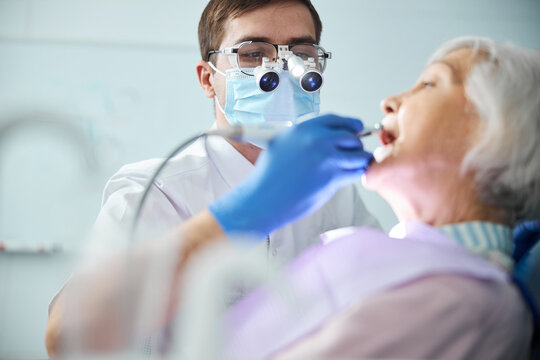
During a senior dental care check-up, the dentist carefully examines teeth and gums for cavities, gum disease, and signs of oral cancer. Professional cleaning removes plaque and tartar that daily brushing cannot eliminate, while a medication review helps identify drugs that may cause dry mouth or other oral issues.
Advanced Treatments at Sure Smile Dental Care
At Sure Smile Dental Care, advanced treatments are designed specifically for age-related dental needs. Implants and bridges restore missing teeth, periodontal therapy treats gum disease, and full mouth rehabilitation improves overall function. Orthodontic options tailored for seniors also help correct bite and alignment issues comfortably.
Oral Hygiene for Elderly with Chronic Conditions
Certain medical conditions can directly affect oral health, making customized care essential. Managing these conditions alongside proper dental routines ensures safer and more effective senior dental care.
- Diabetes increases the risk of gum disease and slows healing, so strict oral hygiene is critical.
- Heart disease has strong links to periodontal health, making gum care essential.
- Osteoporosis can affect jawbone density, which may impact tooth stability.
Always inform your dentist about medical history and medications, as personalized care plans help reduce complications.
Wrapping Up
Maintaining oral hygiene for elderly patients supports overall health, comfort, and confidence. With proper daily care, regular check-ups, and expert guidance, age-related dental challenges can be managed effectively. At Sure Smile Dental Care, we provide personalized senior dental care that helps older adults enjoy healthy smiles for years.
Book your senior dental check-up at Sure Smile Dental Care today.
FAQs
1. How often should elderly patients visit the dentist?
At least every 6 months, or more frequently if there are gum problems, implants, or chronic conditions.
2. What is the best toothbrush for seniors?
A soft-bristled toothbrush is ideal for elderly patients to avoid gum damage while cleaning effectively.
3. Can dentures affect oral health?
Poorly fitted dentures can cause sores, infections, and difficulty eating, making proper care essential.
4. How can seniors prevent dry mouth?
Hydration, sugar-free gum, alcohol-free mouthwash, and consulting dentists about saliva substitutes can help.
5. Is fluoride toothpaste safe for elderly patients?
Yes, fluoride strengthens enamel and helps prevent cavities, even in older adults with sensitive teeth.