

Fluoride in dental care has quietly shaped modern dentistry by protecting teeth long before pain or decay begins. It works at a microscopic level, strengthening enamel, repairing early damage, and creating resilience against acids produced during daily eating and drinking.
Yet, despite decades of clinical use, fluoride continues to spark debate and concern among patients, as questions around dosage, safety, and long-term effects often overshadow its proven role in preventive dentistry.
By understanding how fluoride truly functions—and separating myths from science—patients can make informed choices about their oral health. At Sure Smile Dental Care, we prioritize clarity, evidence, and patient trust in every preventive recommendation we provide.
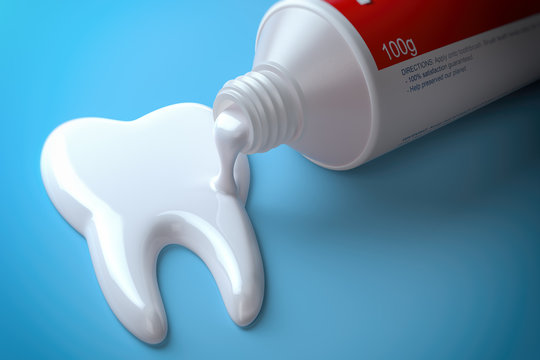
Fluoride in Dental Care and Why It Still Matters
Fluoride remains one of dentistry’s most researched and relied-upon preventive tools.
Fluoride in dental care is not about repairing cavities—it is about preventing them before they even form. Tooth enamel constantly undergoes demineralization due to acids produced by plaque bacteria, and fluoride reverses this process by enhancing remineralization, making enamel more resistant to acid attacks.
Modern diets high in sugars and acidic beverages place teeth under continuous stress, and fluoride acts as a stabilizer by strengthening enamel at vulnerable stages, especially during tooth development and early adulthood. Its role is particularly important for patients with orthodontic appliances, dry mouth conditions, or a history of frequent cavities, because these factors increase the risk of decay.
At Sure Smile Dental Care, fluoride use is customized based on individual risk rather than applied as a blanket solution, ensuring that every patient receives the right preventive care.
How Fluoride Benefits Teeth at a Biological Level
Its real power lies in chemistry, not just surface protection.
Understanding how fluoride benefits teeth requires looking beyond toothpaste labels. Fluoride integrates into tooth enamel to form fluorapatite—a stronger, more acid-resistant structure than natural enamel alone—providing long-term defense against decay.
Strengthening enamel crystals
Fluoride changes the structure of enamel crystals, making them denser and more resistant to acids. This strengthened enamel helps teeth withstand daily exposure to sugars and acids.
Repairing early enamel damage
Before a cavity becomes visible, fluoride can reverse early demineralization by promoting mineral deposition. This early intervention prevents minor enamel damage from developing into serious decay.
Limiting bacterial activity
Fluoride interferes with bacterial metabolism, reducing the production of acids in dental plaque. As a result, the environment in the mouth becomes less favorable for cavity-causing bacteria.
This three-level action explains why fluoride is effective across all age groups, not just children, and highlights why regular use is essential in preventive dental care.
Is Fluoride Safe When Used Correctly?
Safety depends on dosage, delivery, and professional guidance, so many patients wonder, “is fluoride safe?” The answer is yes—fluoride is safe when used within recommended limits, and dental products are carefully formulated to provide therapeutic benefits without systemic harm.
Concerns usually arise from misinformation or confusion between topical fluoride (such as toothpaste or varnish) and systemic overexposure, which is extremely rare and easily preventable under professional supervision.
Understanding fluoride exposure limits
Dental professionals carefully control fluoride concentrations during in-clinic applications. By monitoring age, risk factors, and exposure, they ensure that patients receive the correct therapeutic dose.
Why professional supervision matters
Dentists evaluate factors such as age, cavity risk, water fluoride levels, and medical history before recommending fluoride treatments. This tailored approach ensures safety while maximizing fluoride benefits for teeth.
At Sure Smile Dental Care, fluoride protocols strictly follow international dental safety standards to protect every patient’s oral health.
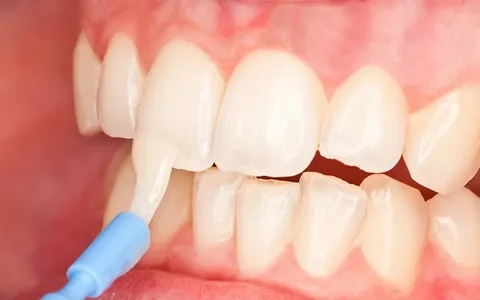
Fluoride Myths That Create Unnecessary Fear
Many fears about fluoride stem from outdated or misinterpreted information, which can prevent patients from taking full advantage of its preventive benefits.
Fluoride myths persist despite decades of scientific evidence demonstrating its safety and effectiveness when used properly.
Myth 1 – Fluoride is toxic to everyone
Truth: Toxicity occurs only at extreme doses, far beyond normal dental use. At recommended levels, fluoride in dental care is safe for all age groups.
Myth 2 – Natural alternatives work just as well
Truth: No natural compound has matched fluoride’s ability to strengthen enamel and reverse early decay. Without fluoride, preventive dental care is significantly less effective.
Myth 3 – Fluoride causes systemic diseases
Truth: Large-scale studies show no credible link between proper fluoride use and systemic illnesses. Separating fear from facts allows patients to enjoy the proven fluoride benefits for teeth without unnecessary anxiety.
Fluoride Treatments Used in Modern Dentistry
Modern fluoride applications are targeted, controlled, and tailored to individual needs.
| Fluoride Type | Where Used | Who Benefits Most |
| Fluoride toothpaste | Daily home care | All age groups |
| Fluoride varnish | Dental clinic | Children, cavity-prone adults |
| Fluoride gel/foam | Professional application | Orthodontic patients |
At Sure Smile Dental Care, we prioritize topical fluoride applications to provide maximum benefits while minimizing systemic exposure, ensuring that preventive care is both safe and effective.
Fluoride Use in Children, Adults, and Orthodontic Patients
Needs vary significantly across different life stages, so fluoride in dental care is always risk-based rather than age-limited.
Children benefit most during tooth development, but careful dosage is essential to avoid overexposure. Adults, meanwhile, face enamel wear, gum recession, and acid erosion, which makes fluoride equally important for long-term oral health.
Orthodontic patients are at higher risk for cavities due to plaque retention around brackets. Under Dr. Vinod Pattabiraman’s orthodontic supervision, fluoride becomes a protective partner, reducing decay risk and supporting enamel strength during alignment treatment.
By understanding how fluoride benefits teeth at each stage, patients of all ages can enjoy lasting preventive protection.
Expert Perspective from Sure Smile Dental Care
Clinical judgment transforms science into personalized care.
Dr. Vinod Pattabiraman’s extensive orthodontic and academic experience informs how preventive dentistry is practiced at Sure Smile Dental Care. His emphasis on patient education ensures that fluoride is never applied indiscriminately.
By combining advanced diagnostics, thorough patient history, and evidence-based protocols, fluoride use becomes precise, purposeful, and safe. This balanced approach reflects our philosophy—prevention guided by understanding, not assumption.
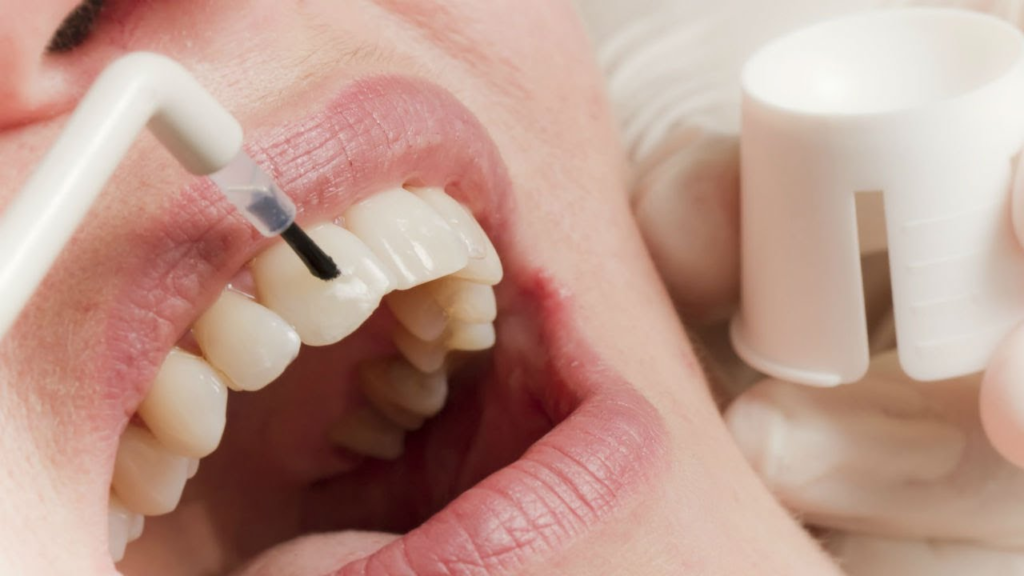
Wrapping Up
Fluoride in dental care remains one of the most effective, safest, and scientifically validated tools for protecting teeth at every stage of life. When understood correctly, it does not pose a risk; instead, it strengthens enamel, provides resilience against decay, and supports long-term oral health. Questions like is fluoride safe and how fluoride benefits teeth are best addressed through professional guidance rather than online speculation.
At Sure Smile Dental Care, fluoride use is personalized, carefully controlled, and rooted in clinical expertise, ensuring patients receive protection without compromise. Preventive dentistry works best when trust and science align—and fluoride continues to prove its value when used responsibly.
FAQs
1. Is fluoride safe for daily use?
Yes, daily use through toothpaste is safe when used as directed and age-appropriate.
2. Can adults benefit from fluoride treatments?
Absolutely. Fluoride helps prevent root decay, enamel erosion, and sensitivity in adults.
3. Should children avoid fluoride toothpaste?
No. Children should use age-appropriate amounts under parental supervision.
4. Does fluoride help patients with braces?
Yes. Fluoride significantly reduces cavity risk during orthodontic treatment.
5. Can fluoride reverse cavities?
Fluoride can reverse early enamel damage but cannot repair advanced cavities.
6. Is professional fluoride treatment necessary if I brush well?
Professional fluoride provides higher concentration protection for high-risk patients.
7. How does Sure Smile Dental Care decide fluoride dosage?
Dosage is based on cavity risk, age, medical history, and oral hygiene assessment.