
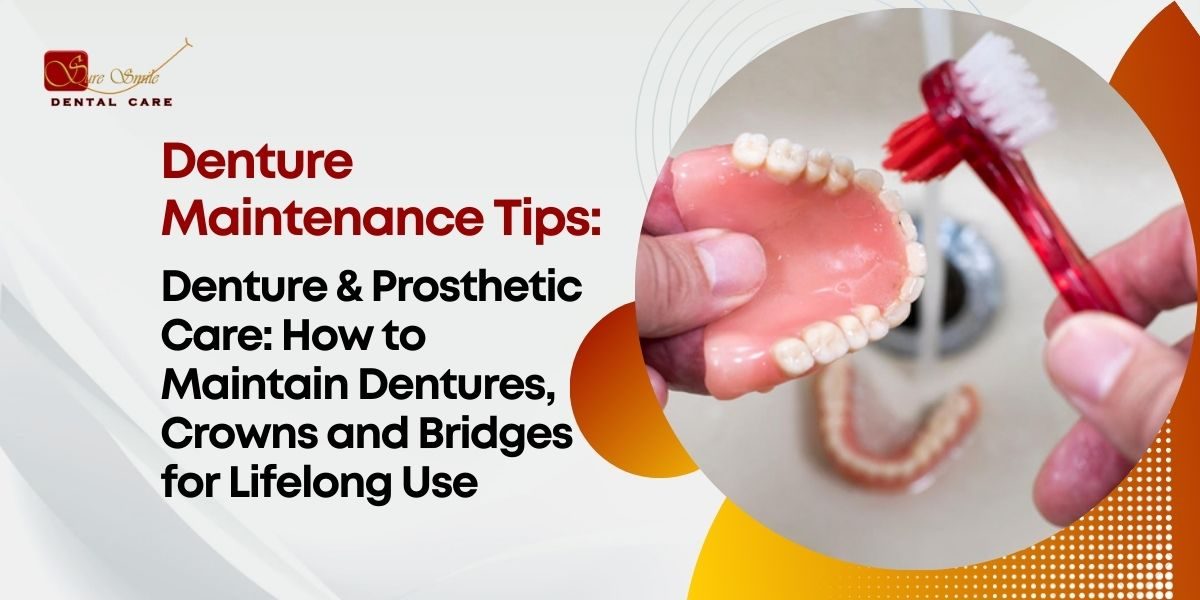
Denture maintenance tips are not just about cleaning appliances; they are about protecting the comfort, function, and confidence that come with a well-restored smile. Dentures, crowns, and bridges quietly endure daily pressures such as chewing, speaking, and constant exposure to temperature changes, yet they often receive less attention than they deserve. As a result, when prosthetic care is neglected, even the most advanced dental work can gradually lose its fit, strength, and hygiene over time.
At Sure Smile Dental Care, we view prosthetic dentistry as a long-term partnership between the dentist and the patient, rather than a one-time procedure. Our approach therefore focuses on preserving what has already been restored, reducing avoidable repairs, and helping patients feel secure about their dental investments.
Under the guidance of Dr. Vinod Pattabiraman—known for blending innovation with patient-first care—our team emphasizes practical routines that genuinely make a difference. This guide, in turn, explains how to care for dentures, crowns, and bridges in real-life conditions, ensuring they remain reliable, comfortable, and long-lasting for years to come.
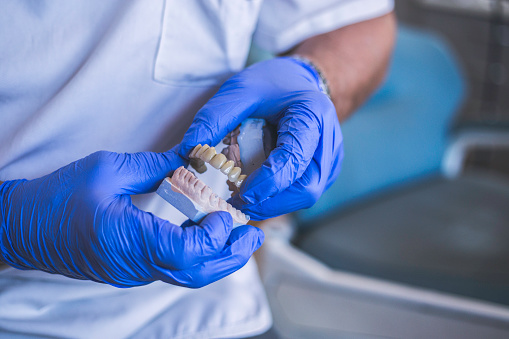
Understanding Dental Prosthetics and Why Care Matters
Proper care begins with understanding how each prosthetic functions inside the mouth.
Dental prosthetics replace missing or damaged teeth, but they behave differently from natural enamel, which makes their maintenance crucial for longevity and comfort.
Dentures: Removable but Delicate
Dentures rest on gum tissues and rely on suction or clasps for stability. Without proper cleaning and care, dentures can develop fungal infections, cause gum sores, and produce unpleasant odors. Following daily denture maintenance tips ensure that your dentures remain hygienic, comfortable, and functional.
Crowns: Strong Yet Vulnerable at the Margins
Crowns protect weakened teeth, but decay often starts at the gum line if plaque builds up around the edges. Gentle, consistent brushing and flossing near the crown margins prevent decay and prolong their lifespan.
Bridges: Fixed Structures Needing Special Attention
Bridges depend on adjacent teeth for support. Food particles trapped beneath them are one of the most common causes of failure. Regular cleaning using floss threaders or water flossers, combined with proper brushing, ensures bridges remain stable and damage-free.
Without consistent care, even premium prosthetics may require early replacement, which is why following denture maintenance tips and proper cleaning routines is critical.
Daily Denture Maintenance Tips for Long-Term Hygiene
Daily routines form the backbone of lifelong prosthetic success. Denture maintenance tips should be practical and easy to follow to ensure lasting comfort and hygiene.
Cleaning Dentures Correctly
Use a soft denture brush and a non-abrasive cleanser. Regular toothpaste can scratch denture surfaces, creating grooves where bacteria thrive. Cleaning gently yet thoroughly preserves denture integrity and hygiene.
Night-Time Denture Care
Soaking dentures overnight prevents warping, keeps them hydrated, and allows gums to rest. Dry storage can lead to cracks and loss of fit, reducing comfort.
Handling With Care
Always clean dentures over a soft towel or a water-filled sink to prevent fractures if they are accidentally dropped. Consistent care reduces infections, unpleasant odors, and unexpected breakage.
Caring for Crowns and Bridges Without Damaging Them
Fixed prosthetics require precision cleaning, not aggressive brushing. Crowns and bridges last longer when surrounding teeth and gums remain healthy.
Brushing Techniques That Protect Prosthetics
Use a soft-bristled brush angled toward the gum line. Hard brushing can cause gum recession around crowns, compromising their fit and function.
Flossing Under Bridges
Threader floss or water flossers allow you to clean beneath pontics where regular floss cannot reach, preventing plaque buildup and protecting supporting teeth.
Avoiding Harmful Habits
Chewing ice, opening packages with your teeth, or grinding significantly shortens prosthetic lifespan. Protecting surrounding structures is just as important as caring for the prosthetic itself.
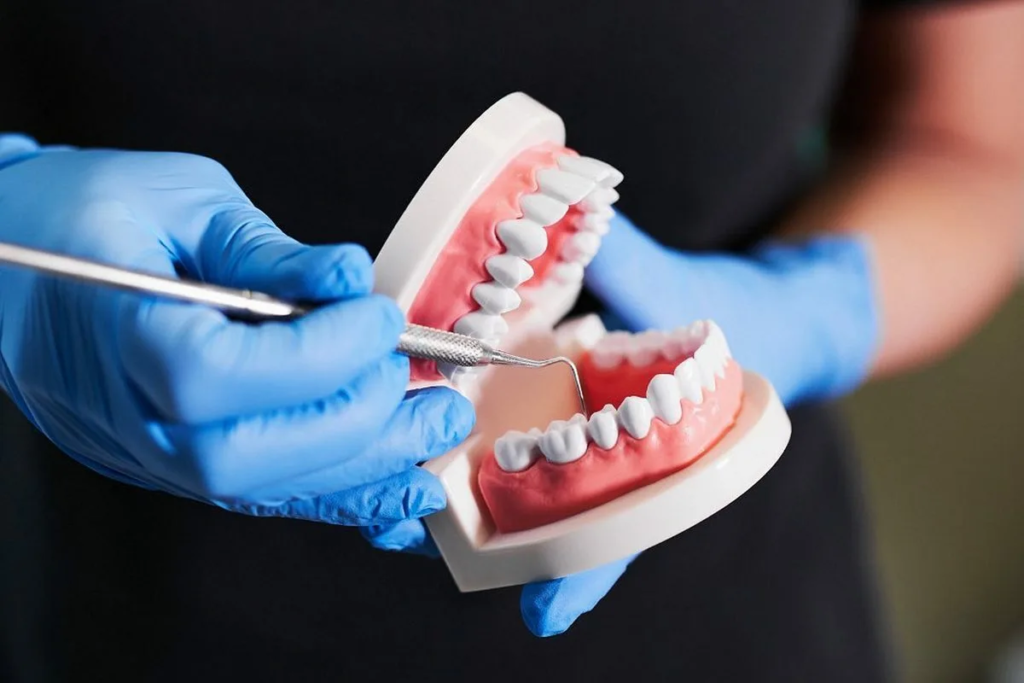
Foods, Habits, and Lifestyle Choices That Impact Prosthetic Life
What you eat and do daily directly affects the durability of dentures, crowns, and bridges.
Foods to Limit
Sticky sweets, hard nuts, and excessively hot beverages stress prosthetic materials and increase the risk of fractures or damage.
Smoking and Prosthetics
Smoking stains dentures, increases gum disease risk, and weakens bone support under bridges, making maintenance even more critical.
Grinding and Clenching
Bruxism causes micro-cracks in crowns and loosens bridges over time. Wearing night guards protects prosthetics, comfort, and long-term investment.
Lifestyle adjustments combined with consistent denture maintenance tips protect both comfort and dental investment.
Professional Check-Ups and Adjustments at Sure Smile Dental Care
Even perfect home care requires professional monitoring to ensure prosthetics function correctly.
Why Regular Reviews Matter
Dentures loosen as the jawbone changes over time. Early professional adjustments prevent sores, instability, and the need for premature replacements.
Advanced Prosthetic Evaluation
At Sure Smile Dental Care, Dr. Vinod Pattabiraman uses precision diagnostics to ensure prosthetics maintain proper bite alignment and function, preserving comfort and oral health.
When Repairs Should Never Be Delayed
Cracks, discomfort, or shifting prosthetics should be addressed immediately to avoid complete replacement. Professional oversight guarantees long-term success and reliable function.
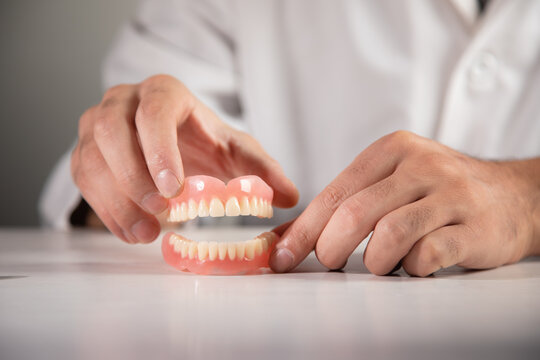
Common Prosthetic Care Mistakes and How to Avoid Them
Many prosthetic failures occur due to small, repeated mistakes, but awareness and proper routines help patients avoid unnecessary damage.
Skipping Night Cleaning
Leaving dentures uncleaned overnight encourages bacterial growth, leading to infections, odor, and gum irritation. Following consistent denture maintenance tips like soaking dentures nightly helps maintain hygiene and comfort while extending their lifespan.
Using DIY Fixes
Using adhesives, glues, or other home remedies not designed for oral use can permanently damage prosthetics. Always rely on professional solutions to ensure the integrity of dentures, crowns, and bridges.
Ignoring Gum Discomfort
Pain or soreness often signals infection or fit issues. Ignoring these symptoms can worsen the problem and lead to more complex repairs. Early attention preserves comfort and prevents unnecessary treatment.
Correcting these habits early saves time, money, and discomfort while ensuring long-term prosthetic success.
Dentures vs Crowns vs Bridges: Care Comparison
Each prosthetic requires a slightly different maintenance approach. Understanding these differences helps patients follow tailored denture maintenance tips for each type.
| Aspect | Dentures | Crowns | Bridges |
| Removal | Yes | No | No |
| Cleaning Tools | Denture brush, soak | Soft brush, floss | Floss threaders, water flosser |
| Night Care | Must soak | No special removal | No removal |
| Risk if Neglected | Infections, odor | Decay at margins | Failure of supporting teeth |
| Adjustment Needs | Periodic refitting | Rare | Moderate over time |
Wrapping Up
Consistent denture maintenance tips are key to preserving comfort, function, and confidence. With proper daily care, smart habits, and professional supervision, dentures, crowns, and bridges remain durable and reliable. Trust Sure Smile Dental Care for expert guidance, check-ups, and personalized prosthetic support to keep your smile healthy and lasting.
Schedule your prosthetic care consultation with Sure Smile Dental Care today!
FAQs
1. How often should dentures be professionally checked?
Dentures should be reviewed at least once a year to assess fit, hygiene, and gum health.
2. Can crowns and bridges last a lifetime?
With proper care and regular dental visits, they can last decades, though replacement may eventually be needed.
3. Are denture cleansers better than toothpaste?
Yes. Denture cleansers are non-abrasive and designed specifically to protect prosthetic surfaces.
4. What causes bad odor in dentures?
Poor cleaning, fungal buildup, and improper storage are the most common reasons.
5. Does Sure Smile Dental Care offer full prosthetic rehabilitation?
Yes. Sure Smile Dental Care provides comprehensive solutions including dentures, crowns, bridges, implants, and full mouth rehabilitation.