
A missing tooth can affect more than just your smile—it can impact chewing, speech, and even self-confidence.
Dental implantologist expertise is the cornerstone of achieving lifelong dental implant success. At Sure Smile Dental Care, we treat dental implants not merely as tooth replacements, but as long-term investments in confidence, oral health, and overall quality of life. The success of implants depends on precise placement, high-quality materials, and consistent care.
Our lead expert, Dr. Vinod Pattabiraman, combines years of clinical experience with innovative techniques to ensure every implant integrates perfectly and lasts for decades. Understanding the factors that influence implant durability is key to protecting your investment and maintaining a healthy, fully functional smile.
Your Dream Smile Is One Call Away – Schedule a Consultation Today!
Understanding Dental Implants with a Dental Implantologist
Knowing how dental implants work and how they integrate with your jawbone is crucial for achieving lasting results.
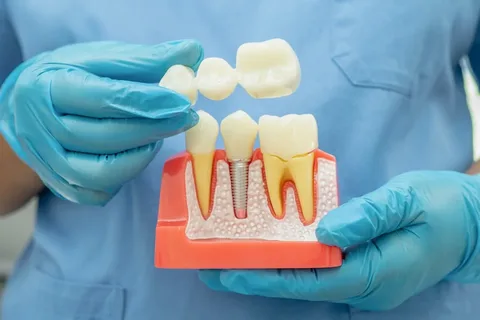
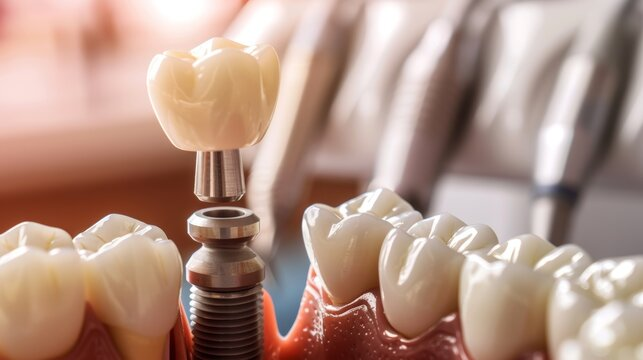
Dental implants are titanium posts that are surgically placed into the jawbone, where they function as artificial tooth roots. Once healed, they provide exceptional stability for crowns, bridges, or dentures.
A skilled dental implantologist plays a critical role in ensuring precise placement, which significantly reduces risks such as infection, nerve injury, or implant failure. Because implants closely mimic natural teeth, they restore chewing ability, appearance, and bite strength, making them one of the most reliable solutions for missing teeth.
Types of Dental Implants
Endosteal Implants
These are placed directly into the jawbone and are the most used option for patients with adequate bone support.
Subperiosteal Implants
Positioned under the gum but above the jawbone, these implants are suitable for patients with limited bone density.
Zygomatic Implants
Anchored in the cheekbone, these are recommended by an experienced dental implantologist for complex cases with severe bone loss.
Factors That Determine How Long Dental Implants Last
Several interconnected factors decide whether dental implants last for 10, 20, or even 30 years.
Bone quality and density play a major role, as strong and healthy bone ensures long-term implant stability. Equally important is the expertise of the dental implantologist, since accurate surgical placement directly affects healing and durability. Lifestyle habits such as smoking, alcohol consumption, and poor nutrition can slow healing and compromise implant success.
Daily oral hygiene is essential because plaque buildup and gum disease remain leading causes of implant complications. In addition, certain medical conditions may affect how well the implant bonds with the bone. Finally, the quality of the implant and prosthetic materials used also influences longevity.
Long-Term Implant Success
Dental implants placed by an experienced dental implantologist show success rates above 95% over a decade. Patients who maintain excellent oral hygiene and attend regular follow-ups often experience implants lasting for many years, and in many cases, for a lifetime.
Common Issues That Can Affect Implant Longevity
Understanding potential risks early helps prevent implant failure and protects long-term results.
- Peri-implantitis is an infection around the implant that can lead to bone loss if left untreated.
- Mechanical complications, such as loose screws or worn crowns, may occur over time without proper maintenance.
- Bone resorption can weaken the jawbone and affect implant stability.
- Poor oral habits, including teeth grinding or irregular cleaning, accelerate wear and stress on implants.
- Additionally, smoking and excessive alcohol consumption increase infection risk and delay healing, reducing overall implant lifespan.
Tips from a Dental Implantologist to Make Implants Last a Lifetime
These expert strategies, recommended by Dr. Vinod Pattabiraman at Sure Smile Dental Care, help protect your implants for the long term.
- Maintain Excellent Oral Hygiene
Brush twice daily, floss regularly, and use an antiseptic mouthwash to prevent infections around the implant.
- Schedule Regular Dental Check-ups
Visiting your dental implantologist every six months allows early detection of potential issues.
- Follow a Healthy Diet
Calcium- and vitamin D-rich foods strengthen bones and support long-term implant stability.
- Avoid Smoking and Excessive Alcohol
Both interfere with healing and significantly increase the risk of implant complications.
- Protect Your Implants
Wearing a mouthguard during sports or physical activities helps prevent accidental damage.
- Manage Teeth Grinding (Bruxism)
Night guards reduce excessive pressure on implants and prevent mechanical damage.
- Monitor Any Changes
Pain, swelling, or looseness should be reported immediately to your dental implantologist.
- Choose Professional Cleaning Only
Implant-safe tools and non-abrasive products protect implant surfaces and surrounding gums.
Lifestyle Habits and Their Impact on Dental Implant Longevity
| Tip | Why It Matters | Impact on Implant Life |
| Oral Hygiene | Prevents plaque and peri-implant infection | Significantly extends lifespan |
| Regular Check-ups | Early problem detection | Reduces failure risk |
| Healthy Diet | Strengthens bone and tissues | Supports long-term stability |
| Avoid Smoking & Alcohol | Improves healing and immunity | Increases success longevity |
| Protective Gear | Prevents physical trauma | Avoids mechanical damage |
How a Dental Implantologist at Sure Smile Dental Care Enhances Implant Longevity
Expert care plays a crucial role in ensuring your dental implants last longer than average.
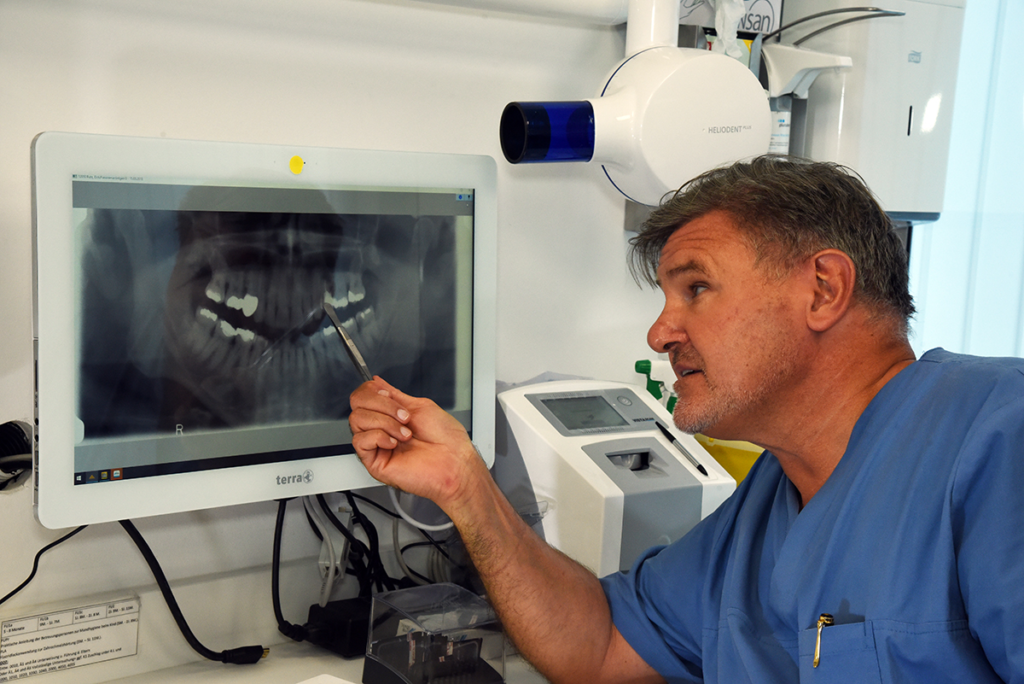
At Sure Smile Dental Care, every implant procedure is led by an experienced dental implantologist who focuses on precision, planning, and long-term success. Dr. Vinod Pattabiraman uses advanced tools such as 3D imaging and guided implant surgery to determine the exact placement of implants, which significantly improves stability and integration with the jawbone.
In addition, customized treatment planning ensures that each patient’s bone health, bite alignment, and oral condition are carefully evaluated before the procedure. Post-operative monitoring and continuous patient education further help reduce complications. As a result, implants not only function efficiently but also retain their natural appearance and strength for decades.
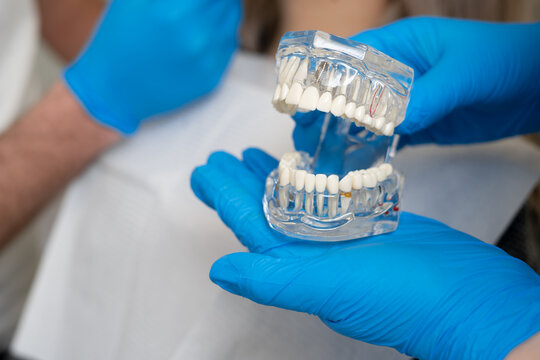
Why Choose Sure Smile Dental Care
| Feature | Benefit |
| Expert Dental Implantologist | Precision-driven care with proven expertise |
| Advanced Technology | Accurate 3D planning and guided placement |
| Personalized Care | Treatment tailored to individual oral needs |
| Long-term Monitoring | Reduces complications and improves implant lifespan |
Comparing Dental Implants to Other Tooth Replacement Options
Understanding the differences clearly explains why dental implants are often the preferred choice.
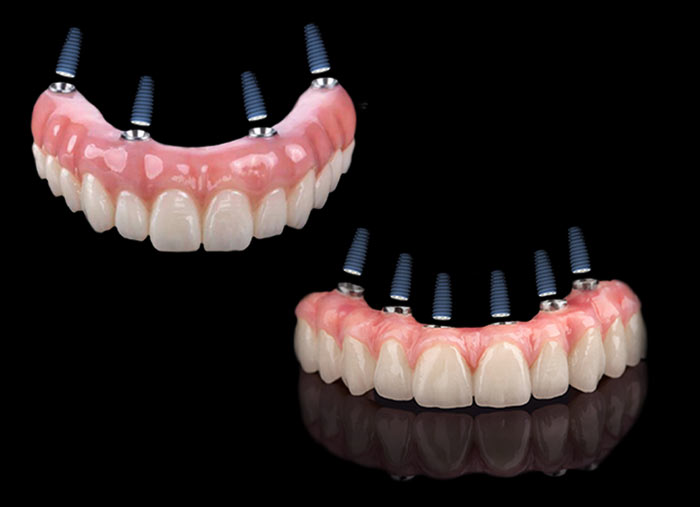
When placed by a skilled dental implantologist, dental implants offer unmatched durability and stability compared to traditional tooth replacement options. Unlike bridges and dentures, implants integrate directly with the jawbone, providing a strong foundation that supports long-term oral health.
| Feature | Dental Implants | Bridges | Dentures |
| Longevity | 20–30+ years | 10–15 years | 5–10 years |
| Bone Preservation | Yes | No | No |
| Stability | High | Moderate | Low |
| Oral Hygiene | Easy to maintain | Requires careful cleaning | Needs removal and cleaning |
| Appearance | Natural-looking | Natural-looking | Less natural |
Dental implants consistently outperform bridges and dentures in terms of durability, comfort, and aesthetics. With proper placement by a qualified dental implantologist and correct maintenance, implants provide a long-lasting and reliable tooth replacement solution.
Post-Procedure Care Tips for Maximum Implant Life
Following professional guidance after implant surgery is essential for long-term success.
After the procedure, your dental implantologist will provide clear aftercare instructions, which should be followed carefully to support healing and implant stability.
- Follow medication instructions: Complete the prescribed antibiotics and pain medication to prevent infection and manage discomfort.
- Avoid chewing hard foods initially: This allows the implant to integrate securely with the jawbone.
- Gradual diet transition: Move from soft foods to a regular diet over a period of 4–6 weeks for optimal healing.
- Monitor the healing process: Any unusual redness, swelling, or bleeding should be reported immediately.
- Stay hydrated and well-rested: Proper nutrition and rest support faster recovery and implant success.
Wrapping Up
Dental implants have the potential to last a lifetime when placed with precision and maintained correctly. An experienced dental implantologist, such as Dr. Vinod Pattabiraman at Sure Smile Dental Care, ensures accurate placement, advanced treatment planning, and personalized post-procedure care. When combined with good oral hygiene and professional follow-ups, dental implants become a long-term investment in both oral health and confidence. With the right expertise and care, implants do far more than replace missing teeth—they restore comfort, function, and quality of life.
FAQs
1. How long can dental implants last with proper care?
Implants can last 20–30 years or even a lifetime with routine check-ups and excellent oral hygiene.
2. What makes a dental implantologist different from a general dentist?
A dental implantologist has specialized training in implant surgery, ensuring precise placement and long-term success.
3. Can dental implants fail, and why?
Failures can occur due to infection, poor oral hygiene, trauma, or insufficient bone. Expert care reduces risk.
4. How often should I visit my dental implantologist after placement?
Every six months for check-ups, professional cleaning, and monitoring implant health.
5. Are dental implants better than dentures or bridges?
Yes. Implants preserve bone, offer higher stability, and last significantly longer than other options.
6. Does smoking affect implant success?
Yes. Smoking slows healing, increases infection risk, and can compromise implant longevity.
7. Can I get implants if my bone density is low?
Yes. Bone grafting or specialized implants can ensure successful placement with the guidance of a dental implantologist.
8. What should I do if my implant feels loose?
Contact your dental implantologist immediately. Early intervention can prevent further complications.