
Oral hygiene is not just a daily routine—it’s the foundation of a lifetime of healthy smiles, even for toddlers. At the age of two, children are exploring their independence but may resist brushing, turning a simple dental care task into a daily challenge for parents.
At Sure Smile Dental Care, we understand these “brushing battles” and offer practical strategies to transform them into enjoyable experiences. With the right techniques, tools, and a sprinkle of creativity, oral care can become a fun activity that encourages your child to develop healthy habits from an early age.
Understanding Your 2-Year-Old’s Oral Care Challenges
Starting the journey to a stress-free brushing routine begins with understanding why toddlers often resist oral hygiene practices.
Toddler Behavior and Independence
Toddlers at two years are learning autonomy, and they may see brushing as a limitation of their freedom. This resistance is a normal part of their development and can be addressed with patience and creative strategies that make oral hygiene feel less like a chore.
Sensory Sensitivities
Textures, tastes, and the sensation of brushing can be overwhelming for young children. By recognizing sensory triggers, parents can reduce resistance and help toddlers enjoy their oral hygiene routine more consistently.
Choosing the Right Tools for Fun Brushing is very Important
The right tools make all the difference in transforming oral hygiene into an enjoyable and playful experience.
Toothbrush Selection
Soft-bristled, colorful toothbrushes featuring favorite cartoon characters can make brushing more appealing. Choosing an age-appropriate toothbrush not only protects delicate gums but also encourages toddlers to participate willingly in their oral hygiene.
Toothpaste Tips
Use toddler-friendly toothpaste with mild flavors and a safe fluoride level to protect developing teeth. The right toothpaste makes oral hygiene a positive and tasty experience, helping your child look forward to brushing each day.
Toothbrush vs. Toothpaste Considerations
| Feature | Toothbrush | Toothpaste |
| Age-Appropriate Design | Soft bristles, small head, fun colors | Mild flavor, safe fluoride, minimal quantity |
| Engagement Factor | Interactive characters, ergonomic handle | Taste and texture children enjoy |
| Maintenance | Rinse and store upright | Squeeze small pea-sized amount |
Creating a Brushing Routine That Excites
While routine is important, adding excitement is what keeps toddlers consistently engaged in oral hygiene.
Singing and Storytelling
Turn brushing into a story or song, allowing your child to lead the storyline while brushing. This interactive approach keeps oral hygiene fun and encourages active participation.
Brushing Charts and Rewards
Use colorful charts and stickers to celebrate every successful brushing session. Recognizing achievements makes oral hygiene rewarding and motivates toddlers to brush independently over time.
Making Oral Hygiene a Fun Family Activity
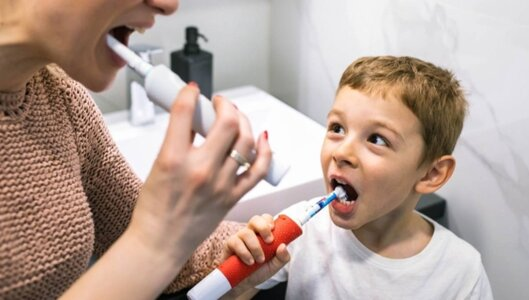
Toddlers learn by imitation, so brushing together not only strengthens habits but also makes oral hygiene a fun family experience.
Lead by Example
Brush alongside your child and show them how enjoyable oral care can be. Your enthusiasm will encourage them to follow your routine.
Sibling Participation
If there are older siblings, involve them in demonstrating brushing techniques. Seeing a role model in action makes oral hygiene exciting and easier to adopt.
Turning Brushing into an Interactive Adventure with Technology
Digital tools can make oral hygiene more engaging and transform brushing into an interactive experience for toddlers.
Brushing Timers
Apps and timers help toddlers brush for the recommended two minutes without getting distracted, ensuring thorough oral care.
Interactive Story Apps
Story-based brushing apps provide visual cues, songs, and rewards for completing oral hygiene tasks, keeping toddlers motivated and entertained.
Avoiding Common Brushing Mistakes That Affect Oral Hygiene
Understanding common mistakes helps parents maintain positive habits and makes brushing a stress-free part of the day.
Rushing the Process
Hurrying through brushing can create anxiety and negative associations. Taking time ensures toddlers enjoy their oral hygiene routine.
Neglecting Professional Guidance
Regular dental check-ups at Sure Smile Dental Care ensure early detection of dental issues and reinforce good oral hygiene habits from the start.
Expert Tips to Make Brushing a Joyful Daily Habit
Our experts at Sure Smile Dental Care share practical advice to make oral hygiene a positive experience for toddlers.
- Use a playful approach rather than forcing brushing.
- Rotate toothbrushes with different colors and textures to maintain interest.
- Introduce gentle flossing when teeth begin touching.
- Reward positive behavior with praise and fun experiences rather than sweets.
- Schedule regular dental visits with Dr. Vinod Pattabiraman to monitor development and maintain strong oral hygiene.
Wrapping up
Developing proper oral hygiene habits for your 2-year-old doesn’t have to be a battle. By understanding your toddler’s behavior, selecting the right tools, creating engaging routines, and making brushing a family activity, oral care can become a fun, stress-free experience.
At Sure Smile Dental Care, Dr. Vinod Pattabiraman and our dedicated team are here to guide parents through every step, ensuring children grow up with healthy teeth and confident smiles. Consistency, creativity, and positive reinforcement are the keys to turning daily brushing into a joyful habit that lasts a lifetime.
Ready to make brushing fun and stress-free for your toddler?
Visit Sure Smile Dental Care today and start your child’s journey toward a lifetime of healthy smiles!
FAQs
1. At what age should I start brushing my toddler’s teeth?
Begin brushing as soon as the first tooth appears, usually around six months, with a soft-bristled brush.
2. How much toothpaste should a 2-year-old use?
A pea-sized amount of fluoride toothpaste is recommended for 2-year-olds.
3. How often should my toddler visit the dentist?
Schedule dental visits every six months to ensure proper oral hygiene and early intervention if needed.
4. What should I do if my child refuses to brush?
Turn brushing into a game, sing songs, or use timers and rewards to make it enjoyable.
5. Are electric toothbrushes safe for 2-year-olds?
Yes, but choose a toddler-specific soft-bristled electric brush and supervise usage.