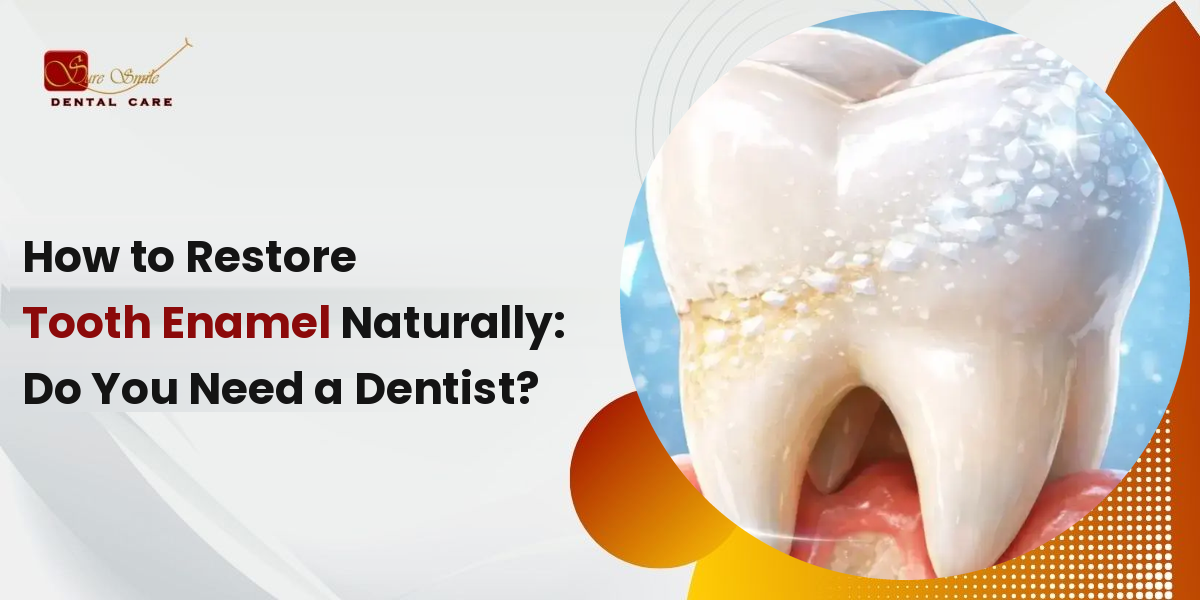
Have you recently noticed that your teeth look slightly yellow, feel unusually sensitive when you drink something cold, or have become rough around the edges? These changes may have several explanations, but one possibility is damage to your tooth enamel. Because enamel is the protective outer layer of your teeth, its condition plays an important role in preventing sensitivity, decay and everyday wear. Naturally, one of the first questions people ask is whether damaged enamel can be restored at home or whether professional dental treatment is necessary.
The answer depends on how much damage has occurred. Early mineral loss in tooth enamel can sometimes be reversed through a natural process called remineralisation. However, enamel that has physically worn away cannot grow back. Understanding this difference is essential when choosing between preventive home care and professional treatment. In this article, we explain what causes enamel damage, how to support enamel strengthening naturally, which remedies to avoid and when a dentist may recommend enamel erosion treatment.
What Is Tooth Enamel and Why Is It Important?
Tooth enamel is the hard, mineral-rich outer covering of the visible part of a tooth. It primarily consists of a crystalline mineral called hydroxyapatite, which contains calcium and phosphate. Enamel protects the softer dentine beneath it and helps teeth withstand the pressure of biting, chewing and exposure to changes in temperature. Although tooth enamel is the hardest substance in the human body, its mineral structure can gradually weaken when exposed to acids, repeated friction or other damaging conditions.
Unlike skin or bone, mature tooth enamel does not contain living cells capable of regenerating lost tissue. The cells responsible for forming enamel are no longer present on the tooth surface after the tooth erupts. This means that once enamel has been physically removed, the body cannot manufacture an entirely new layer. Nevertheless, the mineral content of existing enamel can change. Under suitable conditions, minerals from saliva can be deposited into areas that have undergone early demineralisation, helping restore mineral balance before permanent structural damage develops.
This distinction explains why tooth enamel protection is so important. Preventing additional damage and supporting the remaining enamel are generally more achievable than attempting to replace tissue that has already disappeared.
Can Tooth Enamel Grow Back Naturally?
Tooth enamel cannot regenerate after it has been permanently lost, but early mineral damage may be reversible. Throughout the day, teeth undergo two competing processes known as demineralisation and remineralisation. Demineralisation occurs when acids remove minerals from enamel, while remineralisation occurs when calcium and phosphate return to the enamel surface with the help of saliva and fluoride. The balance between these processes influences whether early damage stabilises or progresses.
For example, frequent exposure to acids produced by plaque bacteria can lead to mineral loss and early white-spot lesions. At this stage, the enamel surface may still be intact, allowing fluoride and saliva to support remineralisation. According to the National Institute of Dental and Craniofacial Research, early tooth decay can sometimes be stopped or reversed before a cavity develops. However, once a cavity has formed, lost tooth structure cannot be restored through brushing, diet changes or home remedies alone.
There is also an important distinction between early decay-related demineralisation and dental erosion. Erosion occurs when acids directly dissolve tooth structure, often through dietary acids or stomach acid. Although preventive measures can protect the remaining tooth enamel, they cannot recreate enamel that has already been dissolved. A dental examination helps determine the nature and extent of the damage.
What Are the Main Causes of Enamel Loss?
Understanding the causes of enamel loss is an important part of preventing further deterioration. Tooth enamel can be affected by chemical erosion, bacterial acids, mechanical wear and certain health conditions. In many cases, several factors contribute simultaneously, making it difficult to identify the exact cause through appearance alone.
1. Frequent Consumption of Acidic Foods and Drinks
Soft drinks, citrus juices, energy drinks, sports drinks and other acidic beverages can gradually weaken tooth enamel. Foods such as lemons, pickles and vinegar-based preparations may also contribute to erosion when consumed frequently. The risk depends not only on the acidity of a food or drink but also on how often teeth are exposed and how long the acid remains in contact with them. Slowly sipping an acidic beverage throughout the day can create repeated periods of enamel softening. Reducing exposure frequency and drinking plain water afterwards can help support tooth enamel protection without necessarily requiring complete elimination of every acidic food.
2. Plaque Bacteria and Frequent Sugar Consumption
When bacteria in dental plaque metabolise sugars and certain starches, they produce acids that can remove minerals from tooth enamel. Repeated acid attacks may eventually lead to early decay, white-spot lesions and cavities. Frequent snacking or sipping sugary drinks can increase the number of these episodes, even when the total amount consumed is relatively small. This is why dental health recommendations often emphasise reducing the frequency of sugary exposures rather than focusing exclusively on how much sugar someone eats. Consistent plaque removal, fluoride toothpaste and sensible dietary habits help reduce the conditions that encourage enamel demineralisation.
3. Acid Reflux and Recurrent Vomiting
Stomach acid is highly acidic and can damage teeth when it repeatedly enters the mouth. People experiencing gastro-oesophageal reflux disease, frequent regurgitation or recurrent vomiting may therefore develop dental erosion even when their oral hygiene routine is otherwise appropriate. Enamel loss associated with stomach acid may affect particular tooth surfaces, although the pattern varies. Persistent reflux or vomiting also requires appropriate medical assessment because protecting the teeth alone does not address the underlying cause. A dentist may identify signs of erosion and recommend preventive care while the individual seeks medical guidance for the condition contributing to acid exposure.
4. Teeth Grinding and Excessive Mechanical Wear
Grinding or clenching the teeth, known as bruxism, can gradually wear down enamel through repeated tooth-to-tooth contact. It may occur during sleep or while awake, sometimes without the person recognising the habit. Over time, teeth may develop flattened chewing surfaces, chips or other patterns of wear. Brushing too aggressively with a hard-bristled toothbrush or using highly abrasive products may also contribute to tooth surface wear, particularly near exposed roots. Not all such wear represents enamel erosion, because erosion specifically refers to chemical dissolution by acids. However, different forms of wear can occur together and may require different preventive approaches.
5. Dry Mouth and Reduced Saliva Production
Saliva helps protect tooth enamel by washing away food debris, buffering acids and supplying minerals involved in remineralisation. When saliva production is reduced, teeth may remain exposed to acidic conditions for longer periods. Dry mouth can occur because of dehydration, certain medications, salivary gland conditions, mouth breathing or other medical factors. Individuals with persistent dry mouth may experience difficulties swallowing dry foods, a sticky sensation or an increased tendency towards tooth decay. Maintaining hydration can help with ordinary dehydration, but ongoing dryness should be evaluated because managing the underlying cause is often an important part of enamel strengthening and long-term oral health.
How to Recognise the Early Signs of Tooth Enamel Damage
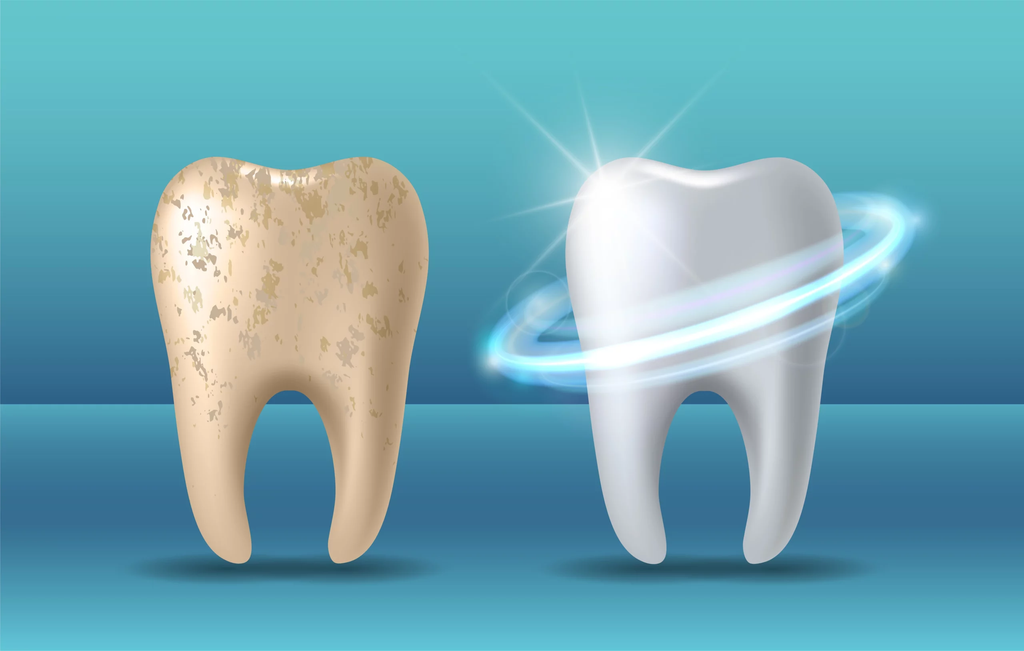
Changes in tooth enamel are not always obvious. Early mineral loss may produce few noticeable symptoms, and some people become aware of enamel damage only when they experience sensitivity or see a change in tooth appearance. Possible warning signs include increased sensitivity to cold, hot or sweet foods; chalky white spots; yellowish teeth; rough or uneven edges; and visible wear on biting surfaces. In more advanced cases, teeth may appear shorter, develop small chips or show shallow depressions on their surfaces.
These signs are not specific to enamel erosion. Yellowing can also result from staining, sensitivity can occur because of gum recession, and white spots may have several developmental or acquired causes. Therefore, appearance alone is not sufficient to diagnose tooth enamel loss. A dentist may assess the tooth surfaces, review dietary and medical history, examine the bite and use diagnostic imaging when clinically indicated. Recognising changes early allows preventive recommendations to be made before further structural damage occurs.
How to Restore Tooth Enamel Naturally: 7 Evidence-Based Ways to Protect Your Teeth
If you are searching for ways to restore tooth enamel naturally, the most useful approach is to support remineralisation where possible and reduce factors that cause continued mineral loss. Home care can play an important preventive role, particularly when changes are identified early. However, these measures cannot replace missing enamel or repair an established cavity.
1. Brush Twice Daily With Fluoride Toothpaste
Fluoride is one of the most extensively studied ingredients for preventing tooth decay and supporting enamel remineralisation. It helps reduce mineral loss and promotes the incorporation of minerals into weakened tooth surfaces. For most adults, brushing twice daily with fluoride toothpaste is an important part of enamel strengthening. Use a soft-bristled toothbrush and gentle pressure, ensuring that all tooth surfaces are cleaned without excessive scrubbing. After brushing, spit out excess toothpaste rather than immediately rinsing thoroughly with water, allowing more fluoride to remain in contact with the teeth. Children require age-appropriate toothpaste quantities and supervision to reduce swallowing, while individuals at higher risk of decay may need specific fluoride recommendations from their dentist.
2. Reduce Frequent Exposure to Acidic Drinks
Reducing repeated acid exposure helps protect tooth enamel from further erosion. Consider consuming acidic beverages with meals rather than sipping them continuously throughout the day. Drinking plain water afterwards can help clear residual acids, while using a straw for suitable beverages may reduce direct contact with some tooth surfaces. These measures do not eliminate the effects of acidity, and a straw does not make acidic drinks harmless. After vomiting or a significant acidic exposure, rinse the mouth with water and avoid brushing immediately. Many dental recommendations advise allowing approximately an hour before brushing after substantial acid exposure, although individual guidance may vary.
3. Support Healthy Saliva Production
Saliva is an important natural defence against enamel damage because it buffers acids and provides calcium and phosphate for remineralisation. Drinking adequate water throughout the day and avoiding unnecessary dehydration can support normal oral conditions. Chewing sugar-free gum may stimulate saliva production in people who can safely use it, particularly after meals. However, products containing acidic flavouring agents may not be appropriate for everyone with erosion. If you frequently experience dry mouth, it is worth discussing the symptom with a dental or medical professional rather than relying exclusively on home remedies. Reviewing medications, oral habits and possible underlying conditions may be necessary to manage persistent dryness effectively.
4. Maintain a Balanced Diet With Adequate Minerals
Calcium and phosphate are essential components of tooth enamel, and adequate nutrition contributes to oral health. Foods such as milk, curd, paneer and other calcium-containing options can form part of a balanced diet. However, eating calcium-rich foods does not directly rebuild enamel that has already worn away. Remineralisation depends on conditions at the tooth surface, including saliva, fluoride availability and the frequency of acid exposure. Therefore, dietary improvements should complement rather than replace a consistent oral hygiene routine. People following restricted diets or experiencing nutritional deficiencies may benefit from individual dietary advice, but enamel damage itself is not a reason to begin taking supplements without professional guidance.
5. Clean Between Your Teeth Every Day
Brushing alone may not adequately remove plaque from all spaces between teeth. Floss, interdental brushes or other appropriately selected cleaning aids can help remove plaque from areas that are difficult to reach with a toothbrush. This matters because bacteria in plaque produce acids that contribute to enamel demineralisation and tooth decay. Choose a cleaning method suitable for the size of the spaces between your teeth and any existing dental restorations. If cleaning causes repeated bleeding or discomfort, ask a dental professional to assess your technique and gum condition. Consistent interdental cleaning supports the overall environment needed for tooth enamel protection.
6. Avoid Abrasive DIY Enamel Repair Remedies
Online suggestions for enamel repair for teeth sometimes involve lemon juice, charcoal powders, baking soda scrubs or other homemade preparations. Acidic substances such as lemon juice can directly contribute to dental erosion, while abrasive scrubbing may increase tooth wear. Charcoal-based products also lack sufficient evidence to support claims that they can regrow enamel. Coconut oil pulling may be discussed as a traditional oral care practice, but it should not be considered an alternative to fluoride toothpaste or a treatment for damaged enamel. The safest approach is to avoid experiments that promise rapid enamel regeneration and instead use oral care products with appropriate evidence for their intended purpose.
7. Arrange Dental Assessments Based on Your Risk
Even with careful brushing and dietary habits, some forms of enamel damage may progress because of acid reflux, dry mouth, bruxism or other conditions. Regular dental examinations allow these contributing factors to be identified and monitored. The appropriate interval between check-ups varies according to individual risk rather than following a single schedule for everyone. People with persistent sensitivity, visible tooth wear or repeated cavities may need closer assessment. A dentist can also recommend suitable preventive products, evaluate whether professional fluoride treatment is indicated and distinguish between damage that may respond to remineralisation and tooth structure that requires restoration.
When Is Professional Enamel Erosion Treatment Necessary?
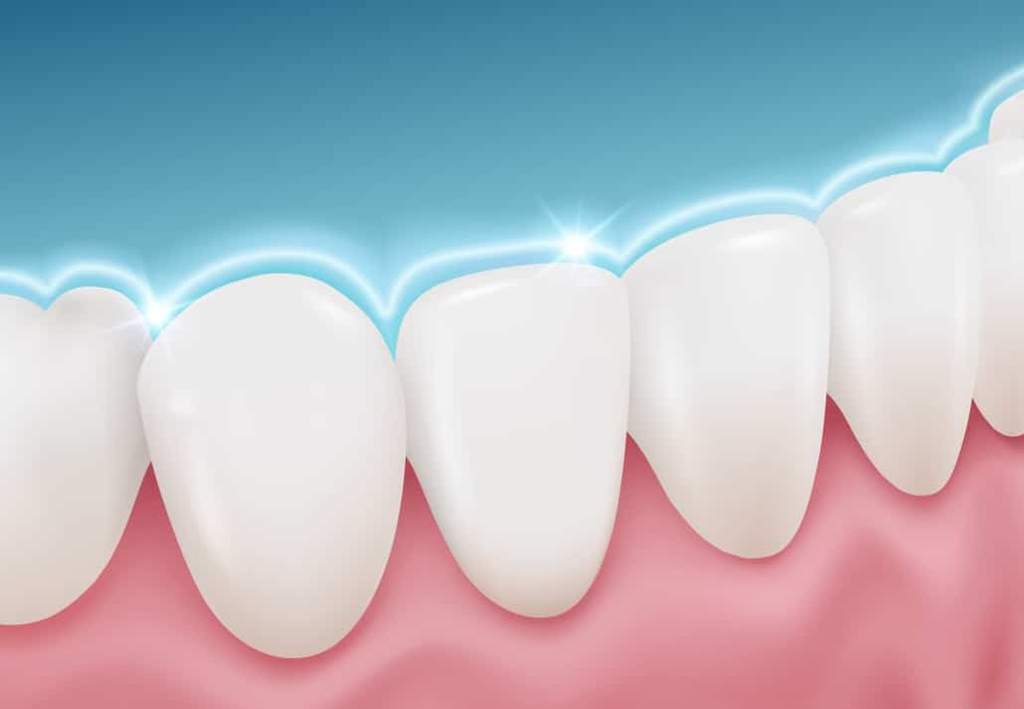
Professional enamel erosion treatment may be appropriate when home care is insufficient to control sensitivity, when tooth structure has been permanently lost or when the underlying cause requires further investigation. The treatment selected depends on the severity and location of damage, whether tooth decay is present, the patient’s bite and the condition of the remaining tooth. Importantly, professional enamel care does not always involve drilling or restorative procedures. In some cases, preventive monitoring and changes to daily habits may be sufficient.
A dental examination helps distinguish early demineralisation from erosion, abrasion, grinding-related wear and cavities. This distinction influences the treatment plan because a fluoride application cannot recreate a missing cusp, while a filling may not be appropriate for a stable early mineral lesion. Any decision about enamel repair for teeth should therefore follow an individual assessment rather than a general assumption that all sensitive or discoloured teeth require the same procedure.
Professional Fluoride Applications
Dentists may recommend professional fluoride varnishes, gels or other fluoride-based interventions for patients at increased risk of decay or early mineral loss. Fluoride can support remineralisation in suitable early lesions and reduce the likelihood of further decay. It may also help some forms of tooth sensitivity, although results vary depending on the cause. The concentration, frequency and type of fluoride treatment should be determined by a dental professional. These applications do not regrow enamel that has already been physically lost and should not be presented as a permanent solution for every form of dental erosion.
Dental Bonding and Tooth-Coloured Fillings
When tooth enamel has been lost and the exposed surface requires restoration, a dentist may consider composite resin bonding or a tooth-coloured filling. These materials can help restore certain damaged areas, protect exposed tooth surfaces and improve function where clinically appropriate. Bonding is different from natural remineralisation because it involves placing restorative material onto the tooth rather than regenerating enamel. Restorations may also require repair or replacement over time because they are exposed to chewing forces, wear and changes in the oral environment. Their suitability depends on the extent of damage and the amount of healthy tooth structure remaining.
Dental Crowns for More Extensive Damage
If a tooth has experienced substantial structural loss, a dental crown may sometimes be considered to restore its shape and function. Crowns cover much of the visible portion of a prepared tooth and may be used when simpler restorative approaches cannot adequately manage the damage. However, a crown is not automatically necessary for enamel erosion, and preparing a tooth for a crown can involve removing additional tooth structure. Dentists assess the severity of wear, existing restorations, bite forces and long-term preservation of the tooth before recommending this option. Treatment decisions should balance the potential benefits against the limitations and maintenance requirements of each restoration.
Managing Underlying Causes of Enamel Loss
Effective enamel erosion treatment often involves addressing the factors responsible for the damage. Patients with recurring acid reflux may require medical assessment, while those who grind their teeth may benefit from a professionally assessed occlusal appliance or other appropriate management. Persistent dry mouth may also require investigation. Without addressing these contributing factors, further damage can occur even after restorative treatment has been completed. For this reason, enamel repair for teeth should be considered part of a broader preventive and diagnostic approach rather than an isolated cosmetic procedure.
Natural Enamel Strengthening vs Professional Dental Treatment
Natural preventive care and professional treatment serve different purposes. Home care mainly helps maintain the remaining tooth enamel and supports remineralisation when early mineral loss is present. Professional assessment becomes more important when damage is structural, symptoms persist or a condition affecting the teeth requires diagnosis.
| Tooth condition | What home care may help with | When dental care may be needed |
| Early mineral loss without a cavity | Fluoride toothpaste, dietary changes and plaque control | Diagnosis, monitoring and possible professional fluoride |
| Mild sensitivity | Gentle brushing and suitable fluoride products | Persistent or worsening sensitivity |
| Acid-related enamel erosion | Reducing acid exposure and protecting remaining enamel | Visible wear, exposed dentine or continuing erosion |
| An established cavity | Preventing additional decay elsewhere | Filling or another clinically indicated treatment |
| Grinding-related tooth wear | Awareness of habits and preventive guidance | Bite assessment and possible protective appliance |
| Extensive structural loss | Preventing further damage | Assessment for bonding, fillings, crowns or other care |
The most appropriate approach is usually preventive care combined with dental assessment when there are signs of active disease or structural damage. Starting with conservative options can help preserve existing tooth structure, provided that more extensive treatment is not clinically necessary.
Can Tooth Enamel Be Repaired With Special Toothpastes or Supplements?
Many oral care products are marketed for enamel strengthening, repair or mineral replenishment. Fluoride-containing toothpaste has a substantial evidence base for preventing decay and supporting remineralisation of early lesions. Some products also contain hydroxyapatite or calcium-phosphate technologies, which are being studied for their potential benefits in reducing mineral loss and supporting enamel surface remineralisation. However, the evidence varies between formulations, concentrations and clinical applications, so these ingredients should not automatically be considered equivalent or superior to established fluoride-based care.
It is also important to interpret the word “repair” carefully. In toothpaste advertising, enamel repair often refers to mineral replenishment or changes to the existing enamel surface. It does not mean that a product can regenerate a tooth’s original structure after it has eroded. Similarly, calcium tablets, vitamin supplements and other nutritional products cannot rebuild physically missing tooth enamel simply by increasing mineral intake. If you are considering specialised toothpaste because of sensitivity or visible wear, a dental professional can help determine whether the product is appropriate for the underlying condition.
How to Prevent Further Tooth Enamel Erosion
Long-term tooth enamel protection is usually more effective when several everyday habits are combined. Brushing twice daily with fluoride toothpaste, cleaning between teeth, drinking enough water and reducing frequent acid exposure all help create conditions that support oral health. People who consume citrus drinks, carbonated beverages or other acidic products frequently may benefit from adjusting the timing and frequency of consumption rather than relying on one protective technique. Avoiding excessive brushing pressure and highly abrasive cleaning products can also reduce unnecessary mechanical wear.
Prevention should additionally account for individual health conditions. Acid reflux, recurrent vomiting, persistent dry mouth and teeth grinding can all contribute to damage that may not be resolved by brushing more frequently. In fact, brushing aggressively after exposure to strong acids may increase the risk of further wear. A personalised prevention plan can therefore be useful for individuals experiencing repeated symptoms or ongoing enamel loss. The objective is to preserve existing tooth structure, minimise future mineral loss and identify changes before they develop into larger restorative problems.
When Should You See a Dentist for Tooth Enamel Problems?
A dental assessment is advisable if you notice sensitivity that does not improve, teeth that appear increasingly worn or translucent, rough edges, visible holes, or recurring discomfort when eating and drinking. An examination is also useful if the appearance of your teeth has changed unexpectedly or you suspect that frequent acid exposure or grinding may be affecting them. Because enamel damage does not always produce pain, waiting for significant discomfort can delay identification of an underlying problem.
Seek prompt dental attention if sensitivity becomes severe, a tooth fractures, or you develop persistent toothache. Significant facial swelling, fever associated with a suspected dental infection, or difficulty swallowing or breathing requires urgent medical or dental attention. These symptoms are not typical signs of uncomplicated enamel erosion and may indicate a different condition needing assessment.
For individuals in Horamavu and nearby areas of Bengaluru, Sure Smile Dental Care provides dental assessments and restorative dentistry services. An examination can help identify whether changes in tooth enamel are associated with early decay, erosion or another dental concern, and whether preventive care or treatment is appropriate.
Conclusion: Can You Restore Tooth Enamel Naturally?
The possibility of restoring tooth enamel naturally depends on what has happened to the tooth. Early mineral loss may respond to remineralisation supported by saliva, fluoride and appropriate preventive habits. However, enamel that has been physically lost through erosion, wear or an established cavity cannot regenerate naturally. Home remedies that promise to regrow enamel should therefore be approached with caution, particularly when they involve acidic or abrasive ingredients that could worsen the problem.
Maintaining healthy tooth enamel involves more than choosing a particular toothpaste. Dietary patterns, saliva production, oral hygiene, grinding habits and underlying medical conditions can all affect the long-term health of teeth. If you notice ongoing sensitivity, visible wear or other changes, a dental examination can help clarify the cause and identify appropriate options. The central goal of enamel care is to protect existing tooth structure and address problems before further damage develops.
Frequently Asked Questions About Tooth Enamel
1. Can tooth enamel grow back naturally after erosion?
No. Tooth enamel that has physically eroded cannot grow back naturally because mature enamel does not contain living cells capable of regenerating lost tissue. However, early mineral loss within remaining enamel may sometimes be reversed through remineralisation. Saliva provides calcium and phosphate, while fluoride can support mineral uptake and strengthen susceptible areas. The distinction is important because remineralisation does not recreate the original thickness or shape of enamel that has already disappeared.
2. What is the fastest way to strengthen tooth enamel?
There is no scientifically established home method that instantly strengthens damaged tooth enamel. Regular use of fluoride toothpaste, good plaque control and limiting frequent acidic or sugary exposures are evidence-based measures for supporting enamel health. Professional fluoride treatment may be appropriate for some patients, depending on their dental condition and risk of decay. The time needed for improvement varies, and structural enamel loss cannot be reversed simply by increasing the frequency of brushing or applying more toothpaste.
3. Can coconut oil restore tooth enamel naturally?
Coconut oil cannot regrow tooth enamel or replace lost tooth minerals in a clinically established way. Although oil pulling is sometimes promoted as a natural oral hygiene practice, there is insufficient high-quality evidence to support claims that it can reverse enamel erosion or treat cavities. It should not replace brushing with fluoride toothpaste, cleaning between the teeth or professional dental care. Patients concerned about enamel damage should focus on proven preventive measures and seek an assessment when symptoms persist.
4. Is enamel erosion treatment painful?
The experience of enamel erosion treatment depends on the type and extent of dental damage and the procedure being performed. Preventive measures such as dietary counselling and certain topical fluoride applications generally do not involve removing tooth structure. Restorative procedures may cause temporary discomfort, and local anaesthesia may be used when clinically appropriate. Individual sensitivity, the condition of the tooth and the selected treatment all influence the experience. A dentist can explain the expected procedure, possible discomfort and available pain-control options before treatment.
5. Which toothpaste is suitable for enamel strengthening?
Fluoride toothpaste is a well-supported option for everyday enamel strengthening and cavity prevention. Most adults can use an appropriately formulated fluoride toothpaste twice daily, while children need age-appropriate amounts and supervision. Some specialised toothpastes contain additional desensitising or mineral-related ingredients, but their suitability depends on the patient’s needs and the evidence supporting the specific formulation. Highly abrasive products should be avoided, particularly when enamel erosion or exposed tooth surfaces are present. A dentist may recommend specific products for patients with increased decay risk or persistent sensitivity.
6. Does drinking milk help repair tooth enamel?
Milk contains calcium and phosphate, which are important minerals for teeth, and it can form part of a balanced diet that supports oral health. However, drinking milk does not directly regenerate enamel that has already worn away. Remineralisation is a process occurring at the surface of existing enamel, influenced by saliva, fluoride and acid exposure. Milk should not be regarded as an enamel erosion treatment or a substitute for oral hygiene. Its potential dietary benefits are best understood as one component of an overall preventive approach.
7. What are the first signs of tooth enamel loss?
Possible early signs include sensitivity to cold or sweet foods, changes in tooth colour, rough edges and visible alterations in surface texture. In some cases, early decay-related demineralisation produces chalky white spots, while dental erosion may cause smooth, shallow surface changes. However, these findings can overlap with other dental conditions. Because tooth enamel damage may initially occur without noticeable symptoms, professional examination is often needed to establish whether the changes indicate erosion, decay, abrasion or a developmental condition.
8. Is enamel repair for teeth possible without visiting a dentist?
Early mineral loss may sometimes improve with fluoride toothpaste, adequate saliva and changes that reduce acid exposure. However, it is difficult to determine the severity of enamel damage without an examination. Once tooth structure has been physically lost or a cavity has formed, home care cannot replace it. Professional enamel repair for teeth may involve preventive fluoride treatment, bonding or another restorative approach depending on the diagnosis. Persistent symptoms or visible changes should be assessed rather than managed indefinitely with home remedies.
9. Can tooth enamel loss make teeth appear yellow?
Yes. As tooth enamel becomes thinner, the underlying dentine, which is naturally more yellow than enamel, may become more visible. This can make teeth appear increasingly yellow even without significant surface staining. However, tooth colour can also change because of food pigments, tobacco, ageing, medications or other factors. Yellowing alone is therefore not sufficient to diagnose enamel loss. Abrasive whitening methods can sometimes worsen tooth wear, so identifying the cause is important before attempting to change the appearance of affected teeth.
10. Can acid reflux cause permanent tooth enamel damage?
Yes. Repeated contact with stomach acid can dissolve minerals from tooth enamel and eventually cause permanent structural loss. People with frequent acid reflux or recurrent vomiting may therefore experience dental erosion even when they brush regularly. Reducing acid exposure and protecting the remaining enamel are important, but existing structural loss will not naturally regrow. Dental monitoring may be necessary, alongside appropriate medical management of the underlying condition. Early identification can help limit further erosion and determine whether restorative treatment is required.
11. Is fluoride safe for tooth enamel protection?
Fluoride is widely used in oral health care because it helps prevent cavities and promotes remineralisation of early enamel lesions. When fluoride toothpaste and professional fluoride treatments are used according to relevant instructions, they are considered established methods of cavity prevention. However, excessive fluoride ingestion during tooth development can cause dental fluorosis, making age-appropriate toothpaste quantities and supervision important for young children. Professional recommendations should also account for individual risk, existing fluoride exposure and any relevant medical considerations.
12. How often should I visit a dentist if I have enamel erosion?
The appropriate frequency of dental visits depends on the severity of enamel erosion, whether damage is progressing and the presence of contributing factors such as acid reflux, dry mouth or grinding. Some patients may require closer monitoring, while others with stable conditions may be able to follow a longer recall interval. A dentist can assess tooth surfaces, compare changes over time and recommend preventive or restorative care when indicated. Increasing sensitivity, visible wear or new discomfort should prompt an assessment rather than waiting automatically for the next routine appointment.