
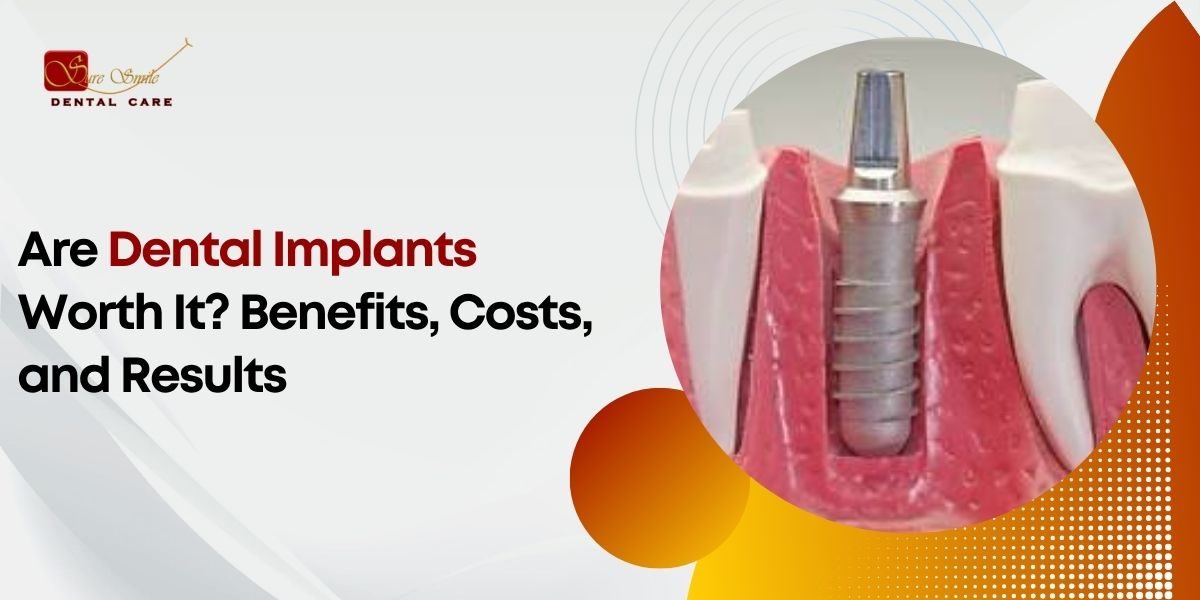
Can replacing a missing tooth really be worth the time and investment?
A missing tooth can affect chewing, speech, and confidence. When it comes to replacement, bridges, dentures, and dental implants all work differently.
For many suitable patients, dental implants are worth considering because they replace the missing tooth root as well as the visible tooth. They can provide strong support and a natural appearance, but treatment involves surgery, healing time, and a higher upfront cost than some alternatives. The right choice depends on your oral health, jawbone, and treatment goals.
What Exactly Are Dental Implants?
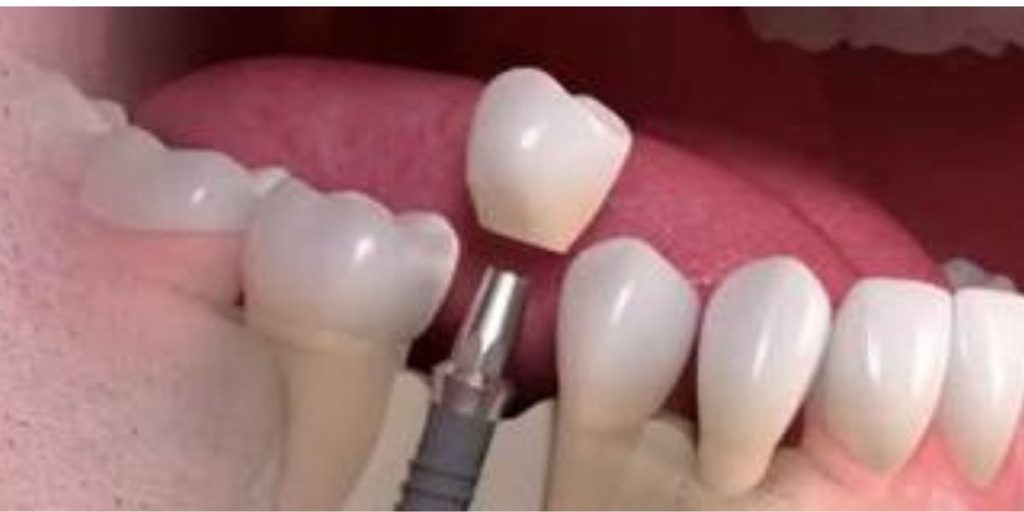
A dental implant is a small post, usually made from titanium, placed into the jawbone to replace a missing tooth root. Once it heals, it can support a crown, bridge, or denture.
An implant restoration usually has three parts:
- Implant post – sits inside the jawbone
- Abutment – connects the implant to the restoration
- Crown or prosthesis – the visible replacement tooth or teeth
One of the main dental implant benefits is that the replacement is supported by the jaw rather than relying completely on nearby teeth.
Are Dental Implants Really Worth It?
For the right patient, often yes. They can restore chewing, provide a secure replacement, and avoid preparing healthy neighbouring teeth in many cases.
A systematic review of contemporary implant systems estimated a 10-year implant survival rate of about 96.4%, although outcomes vary with smoking, gum disease, oral hygiene, medical conditions, and maintenance.
This does not mean every implant lasts forever. It means dental implants can provide predictable long-term function when carefully planned and maintained.
What Are the Main Dental Implant Benefits?
Natural Look and Feel
A single tooth implant can replace one missing tooth with a custom crown. Once treatment is complete, the restoration is designed to blend with the surrounding teeth and support normal speaking and chewing.
Better Chewing Stability
Missing teeth can make some foods difficult to eat. A stable implant restoration can improve bite support and help you chew more comfortably.
No Need to Rely on Healthy Adjacent Teeth
A conventional bridge may require reshaping neighbouring teeth for support. A single tooth implant stands independently in the jaw, which can help preserve healthy tooth structure when the teeth beside the gap are otherwise sound.
Support for the Jawbone
After tooth loss, the bone in that area can gradually reduce because the natural tooth root is no longer present. An implant transfers forces into the jawbone and can help maintain bone around the treated site.
Options for One Tooth or Many
Implants are not limited to a single crown. Full mouth dental implants can support a full-arch restoration, while implant supported dentures use implants to give a denture greater stability.
These dental implant benefits make implant treatment an important option for patients looking for a fixed or more secure tooth replacement.
What Happens During the Dental Implant Procedure?
The dental implant procedure usually takes place in stages.
1. Consultation and Assessment
Your dentist checks the gums, remaining teeth, bite, and missing-tooth area. X-rays or 3D imaging may be used to assess available bone and plan implant position.
2. Treatment Planning
Some patients can proceed directly to placement. Others may first need an extraction, gum treatment, or bone grafting.
3. Implant Placement
The implant is placed into the jawbone under anaesthesia. The site is then allowed to heal.
4. Healing and Osseointegration
The jawbone gradually bonds with the implant surface. This process, called osseointegration, creates the stable foundation needed for the final tooth. Cleveland Clinic notes that healing can take several months depending on the patient and treatment.
5. Final Tooth
Once healing is complete, an abutment and custom crown, bridge, or denture are attached. The full dental implant procedure may therefore take several months, especially when additional treatment is required.
What Does a Single Tooth Implant Involve?
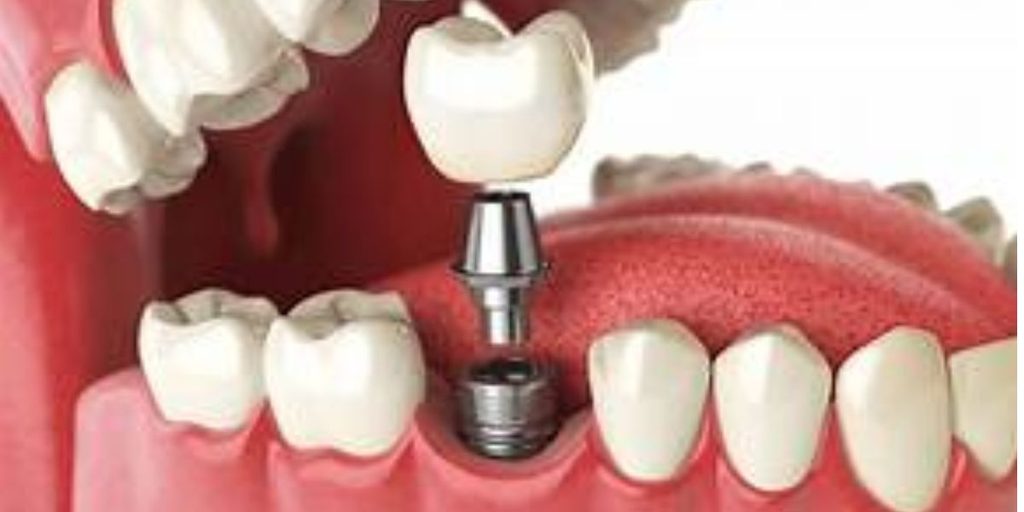
A single tooth implant usually supports one custom-made crown. It may be suitable when only one tooth is missing and the neighbouring teeth are healthy.
The dentist must confirm that the area has enough bone and healthy gum tissue. The final appearance depends not only on the crown but also on the position of the implant and the shape of the gum around it.
For patients comparing implant treatment with other options, Sure Smile’s guide to dental implants explains the practical pros and cons in more detail.
What If Several or All Teeth Are Missing?
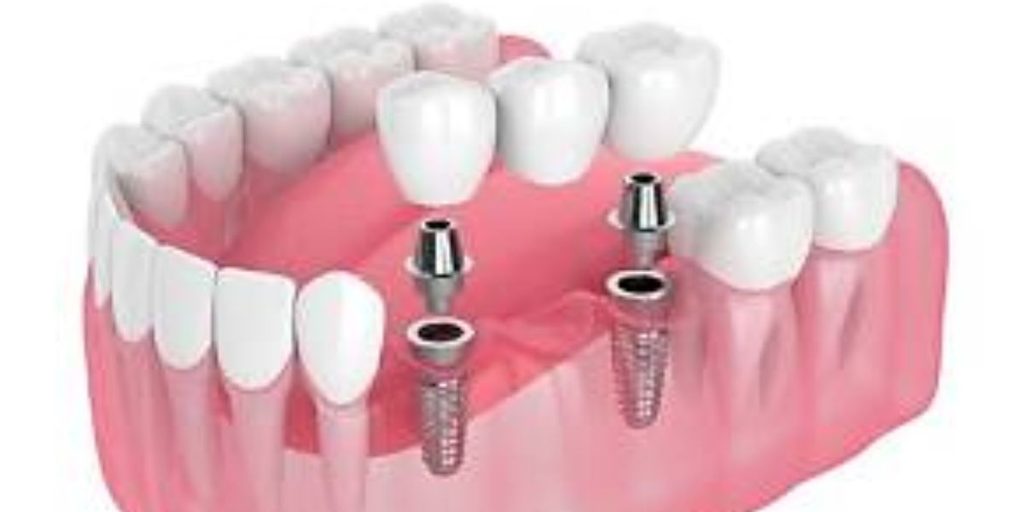
When many teeth are missing, treatment becomes more comprehensive. Full mouth dental implants do not always mean one implant for every missing tooth. A planned number of implants may support a bridge or full-arch prosthesis.
For some patients, implant supported dentures are another option. Instead of resting only on the gums, the denture connects to implants for additional support.
Choosing between a fixed full-arch restoration and implant supported dentures depends on bone levels, gum health, cleaning ability, bite forces, expectations, and budget. A clinical assessment is essential before deciding.
How Much Does Implant Treatment Cost?
There is no single fee for every patient. Sure Smile Dental Care does not publish one fixed implant price because cost depends on the complete treatment required.
Important cost factors include:
- Number of implants needed
- Type of crown, bridge, or denture
- Implant system and restorative material
- Need for bone grafting or other preparatory procedures
- Tooth extraction before placement
- Diagnostic scans and treatment planning
- Complexity of the implant site
- Temporary teeth, when required
A straightforward one-tooth case will cost differently from full mouth dental implants or a case requiring grafting and several surgical stages.
Ask what the quotation includes and whether surgical, restorative, or follow-up costs may apply.
What Results Can You Expect?
When healing is successful, patients can generally expect improved chewing stability, a natural-looking restoration, and better confidence while speaking and smiling.
However, “implant survival” does not mean every part of the restoration will last forever. Crowns, screws, attachments, or denture components can wear, loosen, chip, or need replacement over time. This is an important part of understanding realistic dental implant benefits.
Long-term care still matters. Brush thoroughly, clean between teeth and implants, and attend regular dental check-ups. Implant supported dentures also need careful cleaning around the attachments and supporting implants.
Who May Need Treatment Before an Implant?
Active gum disease, infection, significant bone loss, poor oral hygiene, or medical factors that affect healing may require treatment before implant placement. These concerns do not always rule out implants, but they can change the timing and complexity of care.
How Do Implants Compare With Bridges and Dentures?
No single replacement is best for everyone.
A bridge can replace a missing tooth without implant surgery but usually uses neighbouring teeth for support. A removable denture may replace several teeth more quickly and with a lower initial investment, although some patients find movement or bulk difficult to manage.
Dental implants normally require more treatment time and a larger upfront investment. In return, they can provide strong stability, independent support, and fixed replacement options.
Why Patients Trust Sure Smile Dental Care
Since 2010, Sure Smile Dental Care has focused on patient-centered treatment, transparent communication, comfort, and personalized care. The clinic offers implant solutions for single, multiple, and full-arch tooth replacement with digital imaging and individualized planning.
The team includes Dr. Vinod Pattabiraman, MDS Orthodontist and Implantologist, and Dr. Rajalakshmi Sundaram, MDS Prosthodontist and Implantologist.
Wrapping Up
So, are dental implants worth it? For many suitable patients, they can be a valuable long-term way to replace missing teeth, improve chewing, and restore confidence. But the best results depend on healthy gums and bone, careful planning, realistic expectations, and regular maintenance.
Whether you are considering one missing tooth, full mouth dental implants, or another implant-based solution, the first step is a detailed assessment rather than choosing treatment from an online price alone.
If you have one or more missing teeth, schedule a consultation with Sure Smile Dental Care in Bangalore. The team can assess your gums, jawbone, bite, and treatment goals, explain the available options and costs clearly, and help you decide whether implant treatment is right for you.
Do not let missing teeth keep affecting the way you eat, speak, or smile.
Book your dental implant consultation at Sure Smile Dental Care today.
FAQs
1. How long do implants last?
With good oral hygiene and professional maintenance, the implant itself can function for many years. The crown or prosthetic components may need repair or replacement over time.
2. Is the dental implant procedure painful?
The area is numbed with anaesthesia during placement. Mild soreness, swelling, or discomfort can occur during early healing and is usually managed with your dentist’s aftercare instructions.
3. Can I get an implant immediately after tooth removal?
Sometimes. Immediate placement depends on infection, bone quality, gum condition, and whether the implant can be placed securely.
4. Who is a good candidate for implant treatment?
People with missing teeth, healthy or treatable gums, adequate bone, and good oral hygiene may be suitable. A dental examination and imaging are needed to confirm candidacy.