

Dental bite correction is the key to a balanced, functional, and aesthetically pleasing smile. At Sure Smile Dental Care, we focus on aligning your teeth in a way that not only enhances your appearance but also protects your overall oral health.
Bite alignment issues can silently affect chewing efficiency, strain the jaw, and even lead to chronic discomfort or headaches over time. Proper occlusion—the way your upper and lower teeth meet—plays a pivotal role in maintaining a healthy oral environment, preventing tooth wear, and supporting jaw joint stability.
With expert orthodontist Dr. Vinod Pattabiraman at the helm, patients receive innovative, comfortable, and personalized solutions designed to correct bite irregularities effectively. From minor misalignments to complex orthodontic challenges, our approach ensures long-term results while improving both confidence and functionality.
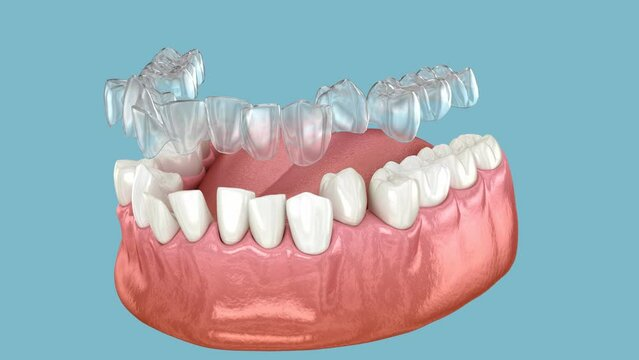
Understanding Occlusion and Bite Alignment Issues
A well-aligned bite is not just cosmetic—it is vital for oral health, comfort, and overall functionality.
Occlusion refers to how the upper and lower teeth come together when you bite, chew, or close your mouth. Bite alignment issues can manifest as overbites, underbites, crossbites, or open bites, each affecting oral functionality differently. Misaligned bites may contribute to excessive tooth wear, jaw strain, speech difficulties, and even digestive inefficiencies due to improper chewing. Therefore, recognizing these issues early is crucial to prevent more severe dental problems in the future.
Types of Bite Alignment Issues
- Overbite: Upper teeth overlap the lower teeth excessively, potentially causing enamel wear or jaw discomfort.
- Underbite: Lower teeth extend beyond the upper teeth, which may affect chewing efficiency and facial aesthetics.
- Crossbite: Upper and lower teeth do not meet properly at the bite line, often leading to uneven wear and jaw strain.
- Open Bite: Front teeth do not touch when biting down, affecting speech, chewing, and overall bite function.
Causes of Bite Misalignment
Understanding the root causes helps in creating an effective dental bite correction plan.
Bite alignment issues can result from multiple factors:
- Genetics: Inherited jaw structure may predispose one to overbites or underbites.
- Childhood Habits: Thumb sucking, prolonged pacifier use, or tongue thrusting can influence tooth position.
- Tooth Loss or Crowding: Early tooth loss or overcrowding can shift teeth out of alignment.
- Injuries: Trauma to the jaw or facial structure may lead to bite irregularities.
- Medical Conditions: TMJ disorders or skeletal growth issues can impact occlusion and overall bite function.
Why Dental Bite Correction is Essential
Correcting bite alignment issues is crucial for both functional and aesthetic reasons.
If left untreated, misaligned bites can lead to:
- Chronic jaw pain or TMJ disorders.
- Tooth fractures, wear, or enamel erosion.
- Difficulty in chewing and speech.
- Increased risk of gum disease and cavities.
- Headaches and neck pain caused by jaw strain.
At Sure Smile Dental Care, dental bite correction not only enhances the visual appeal of your smile but also ensures long-term oral health, proper jaw mechanics, and improved comfort in everyday functions.
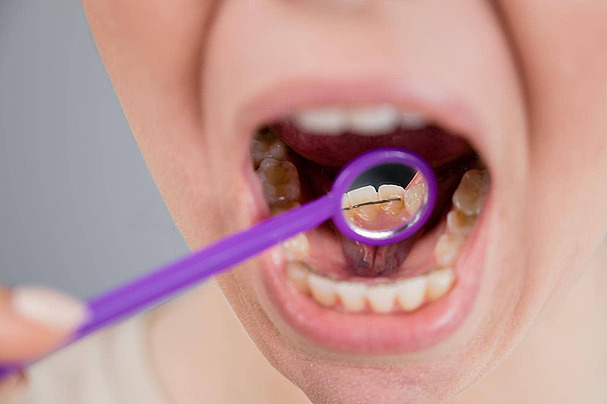
Diagnostic Methods at Sure Smile Dental Care
Comprehensive assessment is the foundation of precise dental bite correction.
Our clinic uses advanced diagnostic tools to evaluate occlusion and plan effective treatments:
- Clinical Examination: Visual and tactile assessment of bite and jaw alignment for immediate detection of misalignments.
- Digital X-rays & CBCT Scans: Detailed imaging to understand jaw structure, tooth roots, and bone density for accurate planning.
- 3D Scanning & Models: Creates precise virtual models to simulate bite correction outcomes and predict results.
- Photographic Analysis: Helps document facial aesthetics and track treatment progress over time.
| Diagnostic Method | Purpose | Benefits for Bite Correction |
| Clinical Examination | Evaluate tooth positioning and jaw function | Immediate detection of misalignments |
| Digital X-rays/CBCT | Assess bone structure and impacted teeth | Accurate structural insights for planning |
| 3D Scanning & Models | Create virtual dental models | Predictive treatment outcomes |
| Photographic Analysis | Document alignment and facial aesthetics | Track treatment progress visually |
Best Treatment Options for Bite Alignment Issues
Choosing the right treatment depends on the severity of the problem and individual dental needs. At Sure Smile Dental Care, solutions are customized to address bite alignment issues effectively and comfortably.
1. Orthodontic Solutions
Orthodontic treatments gradually guide teeth into their correct positions while improving function and aesthetics.
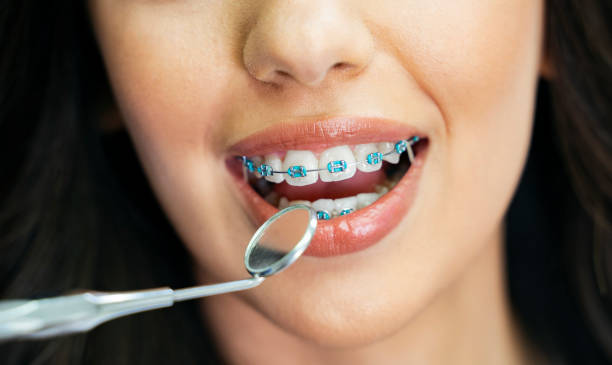
- Traditional Braces: Metal or ceramic braces gradually shift teeth into alignment.
- Clear Aligners: Transparent, removable aligners ideal for discreet correction.
- Lingual Braces: Braces placed behind the teeth for invisible treatment.
2. Surgical and Advanced Interventions
For complex bite alignment issues, advanced procedures may be required to restore proper jaw balance and function.
- Jaw Surgery: Recommended for severe skeletal misalignments or TMJ correction.
- Neoslider Appliance: Developed by Dr. Vinod Pattabiraman, this innovative solution targets specific malocclusions with precision.
3. Functional Appliances
These supportive devices help maintain results and protect oral structures after dental bite correction.
- Retainers: Maintain corrected alignment post-treatment.
- Splints & Bite Guards: Relieve TMJ stress and protect teeth from grinding.
Long-Term Benefits of Dental Bite Correction
Correcting bite alignment enhances daily comfort while supporting long-term oral health. Addressing bite alignment issues early prevents complications and improves overall quality of life.
- Enhanced chewing efficiency and improved digestion.
- Reduced risk of enamel wear, fractures, and cavities.
- Alleviated jaw pain, headaches, and TMJ discomfort.
- Improved speech clarity and confidence while smiling.
- Easier oral hygiene maintenance, lowering gum disease risk.
Preventive Measures and Daily Care
Consistent care plays a vital role in maintaining results after dental bite correction. Simple habits help prevent recurring bite alignment issues and protect long-term outcomes.
- Schedule regular dental check-ups every six months.
- Avoid prolonged thumb sucking or pacifier use in children.
- Practice correct brushing and flossing techniques daily.
- Use night guards if teeth grinding occurs during sleep.
- Follow orthodontist recommendations for retainer use.
Wrapping Up
Dental bite correction at Sure Smile Dental Care restores function, comfort, and long-term oral health. Untreated bite alignment issues can cause pain and damage over time. With expert care and advanced solutions, patients achieve lasting results.
Book your consultation today and take the first step toward a healthier, confident smile.
FAQs
1. What is the average duration for dental bite correction?
Treatment varies based on severity, ranging from 6 months to 2 years, depending on the chosen method and patient compliance.
2. Can adults undergo dental bite correction?
Yes, orthodontic treatments like clear aligners, braces, or appliances are effective for adults with bite alignment issues.
3. Is dental bite correction painful?
Most patients experience mild discomfort initially, which subsides as teeth adjust. Advanced techniques minimize pain during the process.
4. Will dental bite correction improve jaw pain or TMJ disorders?
Yes, correcting bite alignment often alleviates jaw strain, headaches, and TMJ discomfort when misalignment is the root cause.
5. Are retainers necessary after bite correction?
Absolutely. Retainers maintain corrected alignment and prevent relapse, ensuring long-term results.
6. Can Sure Smile Dental Care handle complex bite issues?
Yes, under Dr. Vinod Pattabiraman’s expertise, our clinic treats complex malocclusions with advanced orthodontics and innovative appliances like Neoslider.