

The stages of tooth decay is a silent journey that begins long before pain alerts you. From the first sticky plaque forming on enamel to the visible cavity that requires dental treatment, understanding this progression is vital for protecting your s
At Sure Smile Dental Care, we help patients recognize early signs of cavities and understand how cavities develop, allowing timely intervention before serious damage occurs.
Tooth decay doesn’t happen overnight—it’s a dynamic process influenced by diet, oral hygiene, and individual dental health. By knowing each stage, you can adopt strategies that prevent progression, minimize discomfort, and save your teeth from irreversible harm.
Our expert, Dr. Vinod Pattabiraman, ensures patients receive personalized care at every stage of tooth decay, combining advanced techniques with compassionate guidance.
Understanding the Stages of Tooth Decay: From Plaque to Cavity
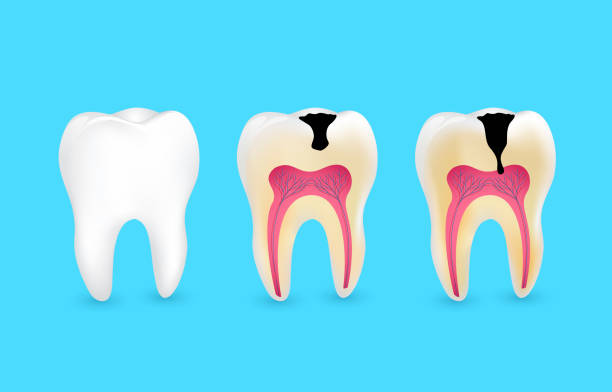
Every tooth tells a story of gradual decay if neglected, and this process often begins quietly. The stages of tooth decay progress through distinct phases, each requiring a different level of attention and treatment. Therefore, recognizing these stages early can prevent serious dental issues while also helping preserve natural teeth.
Stage 1 – Plaque Formation
Plaque is a sticky film of bacteria that forms when food particles mix with saliva. If left unchecked, plaque produces acids that continuously attack the enamel, gradually weakening the tooth’s protective surface.
Stage 2 – Enamel Demineralization
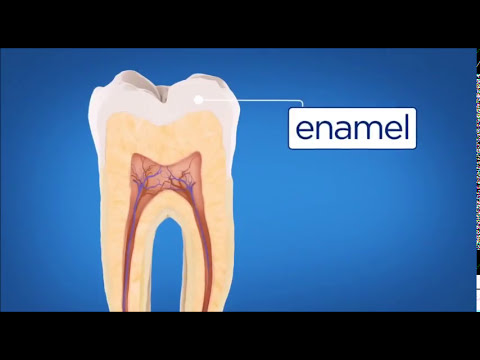
As plaque acids persist, they begin breaking down essential minerals in the enamel. Although this stage is usually painless, it is often detectable through visible changes such as white spots, which signal the early signs of cavities.
Stage 3 – Early Signs of Cavities
At this stage, the enamel weakens further, making the tooth more vulnerable. As a result, early signs of cavities, including mild sensitivity to sweets or cold foods, may start to appear.
How Cavities Develop: From Enamel to Dentin
Understanding this transition is essential because it helps prevent deeper and more serious damage. How cavities develop becomes more concerning once decay penetrates the enamel and reaches the dentin, the softer layer beneath. Consequently, patients often experience heightened sensitivity and discomfort.
Stage 4 – Dentin Decay
Dentin is less mineralized than enamel, which allows decay to spread more quickly. During this stage, patients may experience sharp or lingering pain, especially when eating or drinking hot, cold, or sweet foods.
Stage 5 – Pulp Infection
If decay remains untreated, bacteria eventually reach the pulp, which contains nerves and blood vessels. This advanced stage can lead to severe pain, infection, and abscess formation, often requiring urgent dental intervention.
Comparing Healthy Teeth vs. Decayed Teeth
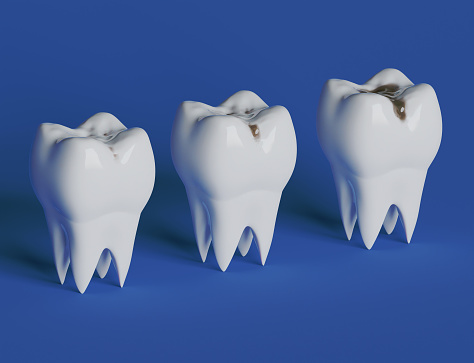
Understanding the visible and functional differences between healthy and decayed teeth highlights why preventive care is so important. When decay is ignored, even strong teeth can gradually weaken and lose their function.
| Feature | Healthy Teeth | Decayed Teeth |
| Enamel | Strong, intact, and glossy, providing natural protection | Eroded or damaged, often showing white or brown spots |
| Sensitivity | Normal response to temperature and pressure | Increased sensitivity to hot, cold, or sweet foods |
| Plaque | Minimal buildup due to proper oral hygiene | Thick, sticky plaque layer present on tooth surfaces |
| Risk of Infection | Low when teeth are well maintained | High if decay is left untreated |
| Pain | No discomfort during daily activities | Pain ranging from mild irritation to severe toothache |
| Treatment Needed | Routine cleaning and preventive care | Fillings, root canal treatment, or tooth extraction |
Factors Influencing How Cavities Develop
Tooth decay does not progress at the same pace for everyone. Several lifestyle, biological, and environmental factors influence how quickly cavities form and worsen.
Diet
Sugary and acidic foods feed harmful bacteria in the mouth. As these bacteria produce acids, they weaken enamel and accelerate cavity formation.
Oral Hygiene
Inadequate brushing and flossing allow plaque to accumulate. Over time, this plaque hardens and increases the risk of decay and gum disease.
Saliva Flow
Saliva helps neutralize acids and wash away food particles. Reduced saliva flow, often caused by dehydration or certain medications, makes teeth more vulnerable to decay.
Genetics
Some individuals naturally have weaker enamel or deeper grooves in their teeth, making them more susceptible to cavities despite good oral care.
Preventing Tooth Decay Through Early Detection
Early detection plays a crucial role in stopping decay before it becomes severe. Timely intervention helps preserve natural teeth and reduces the need for complex treatments.
Identifying early signs of cavities allows dentists to act before significant damage occurs. Regular dental visits at Sure Smile Dental Care help detect demineralization, white spots, or enamel erosion using advanced diagnostic tools. Professional cleanings, fluoride treatments, and dental sealants are highly effective in slowing or stopping decay progression.
Home Care Tips
Maintaining good oral hygiene at home supports professional dental care and keeps decay under control.
- Brush twice daily with fluoride toothpaste to strengthen enamel and remove plaque.
- Floss daily to clean areas between teeth where a toothbrush cannot reach.
- Limit sugary snacks and drinks to reduce acid attacks on enamel.
- Use an antibacterial mouthwash to lower bacterial levels and improve overall oral hygiene.
Treatment Options for Advanced Tooth Decay
When decay progresses beyond the early stages, professional treatment becomes necessary. The choice of treatment depends on how deeply the tooth is affected.
Fillings
Used when decay is limited to the enamel or early dentin. The decayed portion is removed and replaced with a restorative material.
Crowns
Recommended when decay weakens the tooth structure. A crown restores strength, shape, and function.
Root Canal Therapy
Required when infection reaches the pulp. The infected tissue is removed, and the tooth is sealed to prevent further damage.
Extraction
Considered a last resort when the tooth cannot be saved. Tooth replacement options are discussed afterward to maintain oral function.
Dr. Vinod Pattabiraman at Sure Smile Dental Care ensures that every treatment is tailored for patient comfort, effectiveness, and long-term oral health.
Long-Term Effects of Untreated Cavities
Ignoring decay can impact more than just your teeth. Untreated cavities can lead to a range of dental and overall health issues, making early recognition and timely treatment crucial.
- Severe Tooth Infections: When decay reaches the pulp, bacteria can cause painful infections, potentially leading to abscess formation.
- Gum Disease: Ongoing decay and plaque buildup increase the risk of gingivitis and periodontitis, affecting both gums and supporting bone.
- Difficulty Chewing and Eating: Decayed teeth can weaken structure and cause sensitivity, making it painful to chew certain foods.
- Tooth Loss: Advanced cavities can destroy tooth structure entirely, often requiring extraction if treatment is delayed.
- Impact on Overall Health: Chronic oral infections may contribute to systemic issues, including cardiovascular problems and complications in immunocompromised patients.
Wrapping Up
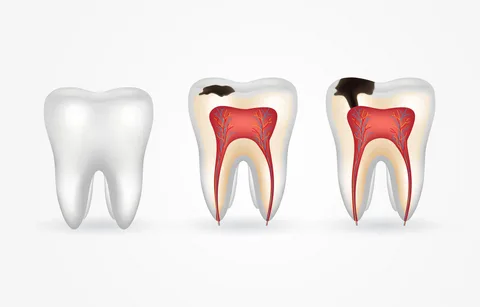
The stages of tooth decay illustrate the progression from early plaque buildup to advanced cavities. Recognizing early signs of cavities and acting promptly can prevent pain, tooth loss, and costly treatments. At Sure Smile Dental Care, we focus on prevention, early detection, and patient-centered care to keep every smile healthy.
FAQs
1. What are the earliest signs of tooth decay?
White spots on enamel, sensitivity to sweets or cold, and mild discomfort while chewing.
2. How quickly do cavities develop?
It varies—diet, oral hygiene, and genetics influence the speed. Early-stage decay can last months before causing pain.
3. Can tooth decay be reversed?
Initial enamel demineralization can sometimes be reversed with fluoride treatments and improved oral hygiene.
4. How often should I visit Sure Smile Dental Care for cavity prevention?
Every 6 months for a dental check-up and professional cleaning is recommended.
5. Does tooth decay affect only adults?
No, children are also highly susceptible due to thinner enamel and dietary habits.
6. Are fillings painful?
Modern dentistry ensures minimal discomfort, often using local anesthesia.
7. Can diet alone prevent cavities?
Diet plays a role, but oral hygiene and professional care are essential for effective prevention.
One Response