

Dental emergency guide is an essential resource for anyone who wants to respond effectively during sudden dental problems. Dental emergencies can strike unexpectedly—while eating, playing sports, or even at home—and knowing how to act immediately can save a tooth, reduce pain, and prevent long-term complications. At Sure Smile Dental Care, our mission is to equip patients with practical knowledge alongside professional care.
Led by Dr. Vinod Pattabiraman, an award-winning orthodontist, we specialize in handling urgent dental issues ranging from knocked-out teeth to severe infections. While professional dental intervention is crucial, initial self-care at home can significantly impact outcomes.
This guide walks you through common dental emergencies, including broken teeth, toothaches, soft tissue injuries, and more, along with step-by-step instructions on what to do before reaching the clinic. By understanding these measures, you can act promptly and ensure the best possible care for your teeth and gums.
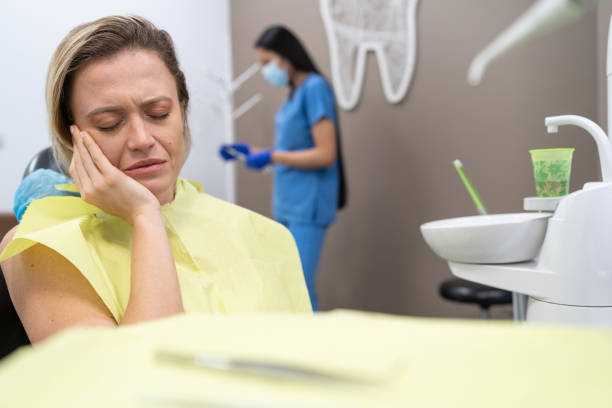
1. Toothache – Immediate Relief Steps
A sudden toothache can be unbearable, but timely action can minimize damage and discomfort. This section of our dental emergency guide explains practical steps you can take before reaching the clinic.
Causes of Toothache
Toothaches often result from:
- Cavities or dental decay weakening the tooth structure
- Gum infections or abscesses causing pressure and pain
- Cracked or fractured teeth exposing sensitive nerves
- Impacted teeth that create inflammation and discomfort
Understanding the cause helps determine the most effective immediate care and ensures you follow the right steps from this dental emergency guide.
What to Do Before Visiting the Clinic
Before professional care, you can reduce pain and prevent further damage by:
- Rinsing your mouth with warm saltwater to reduce bacterial load
- Gently flossing to remove trapped food particles
- Taking over-the-counter pain relief (avoid placing aspirin directly on the gums)
- Applying a cold compress externally to reduce swelling
These measures provide temporary relief and protect the tooth until a dentist can treat it.
2. Knocked-Out Tooth (Avulsed Tooth)
Losing a tooth unexpectedly can be frightening, but immediate action can save it. This part of our dental emergency guide emphasizes preservation steps.
Steps to Preserve the Tooth
- Handle the tooth by the crown, never the root, to prevent tissue damage
- Rinse gently under running water if dirty; avoid scrubbing
- Reinsert the tooth into its socket, if possible, to improve survival
- Keep the tooth moist in milk or a saline solution if reinsertion isn’t feasible
- Seek emergency dental care immediately for proper stabilization
Quick and careful action can often save the tooth from permanent loss.
3. Broken or Chipped Tooth
A broken or chipped tooth may seem minor but can cause severe pain and infection if untreated. Follow this dental emergency guide to manage it effectively.
First Aid Measures
- Rinse the mouth with warm water to clean the area
- Apply a cold compress to reduce swelling and discomfort
- Save any broken pieces of the tooth for potential reattachment
- Avoid chewing on the affected side to prevent further damage
Professional Treatment Options
- Minor chips may be restored with dental bonding
- Severe fractures often require crowns for protection
- If the tooth pulp is exposed, a root canal treatment may be necessary
4. Soft Tissue Injuries (Gums, Tongue, or Cheeks)
Cuts or lacerations in the mouth can bleed heavily but can be managed with careful first aid, as outlined in this dental emergency guide.
Immediate Care Steps
- Rinse the mouth with clean water to remove debris
- Apply gentle pressure with sterile gauze to control bleeding
- Use external ice packs to reduce swelling
- Avoid foods that may irritate the wound
These steps prevent infection and help stabilize the injury until professional care is available.

5. Lost Filling or Crown
Losing a crown or filling can cause discomfort and expose the tooth to further damage. This dental emergency guide explains how to manage it at home.
Quick Actions at Home
- Retrieve and rinse the crown or filling carefully
- Apply dental cement or sugar-free gum temporarily to protect the tooth
- Avoid chewing on the affected side to prevent additional damage
- Visit the dentist promptly to ensure proper restoration and prevent infection
6. Severe Gum or Tooth Infection
Infections can escalate quickly and may affect overall health if ignored. Use this section of our dental emergency guide to identify warning signs and take initial measures.
Warning Signs
- Persistent pain and swelling
- Fever or general malaise
- Bad taste or pus discharge
Immediate Care
- Rinse with warm saltwater to reduce bacteria
- Maintain hydration to support recovery
- Avoid hot or cold foods that trigger pain
- Seek urgent dental care for antibiotics or drainage
Minor vs. Major Dental Emergencies
Each dental issue has its urgency and recommended home actions. Understanding these helps you respond correctly:
| Type of Emergency | Symptoms | Urgency Level | Immediate Home Action | Professional Care Needed |
| Toothache | Pain, swelling | Moderate | Saltwater rinse, OTC pain relief | Yes, within 24 hours |
| Knocked-out Tooth | Tooth completely out | High | Rinse, preserve in milk, reinsert if possible | Immediate emergency treatment |
| Chipped Tooth | Visible fracture, sharp edges | Moderate | Rinse, cold compress | Yes, for bonding or crown |
| Soft Tissue Injury | Cuts, bleeding, swelling | Moderate | Pressure, rinse, ice pack | Yes, if severe laceration |
| Lost Filling or Crown | Pain, exposed tooth | Moderate | Temporary cement or sugar-free gum | Yes, within 24–48 hours |
| Severe Infection | Swelling, fever, pus | High | Saltwater rinse, hydration | Immediate antibiotic treatment |
Wrapping up
Following consistent denture maintenance tips and the steps in this dental emergency guide ensure that minor injuries or sudden dental issues do not become serious problems. Prompt home care, professional attention, and awareness of warning signs help protect teeth, gums, and overall oral health.
Use this guide and contact Sure Smile Dental Care immediately for expert emergency support!

FAQs
1. What should I do if my child has a knocked-out tooth?
Handle the tooth by the crown, rinse gently, keep it moist in milk, and contact Sure Smile Dental Care immediately.
2. Can a chipped tooth heal on its own?
No, a chipped tooth needs professional treatment such as bonding or a crown to prevent further damage.
3. How can I reduce pain from a toothache before reaching the clinic?
Rinse with warm saltwater, take OTC pain relievers, and apply a cold compress to the outside cheek.
4. Is it safe to use temporary dental cement at home?
Yes, temporary dental cement can protect a lost filling or crown until professional care is available.
5. How quickly should I visit the dentist after a dental injury?
For severe injuries like knocked-out teeth or infections, immediate care is necessary. For minor issues, within 24-48 hours.