

Tooth sensitivity causes sharp pain in response to hot, cold, sweet, or acidic foods, making everyday activities uncomfortable. Many patients at Sure Smile Dental Care experience this sudden discomfort, which often signals an underlying dental issue. While some cases are minor and manageable at home, others require professional attention to prevent long-term damage.
Dr. Vinod Pattabiraman, our expert orthodontist, focuses on understanding each patient’s unique triggers to provide the most effective sensitive teeth treatment. From enamel erosion to gum recession and cavities, identifying the root cause ensures long-lasting relief rather than just temporary comfort.
This guide covers the common causes of tooth sensitivity, practical remedies, professional treatment options, and the situations when it’s crucial to visit a dentist. By following these insights, patients can protect their teeth, reduce discomfort, and maintain a confident, healthy smile.
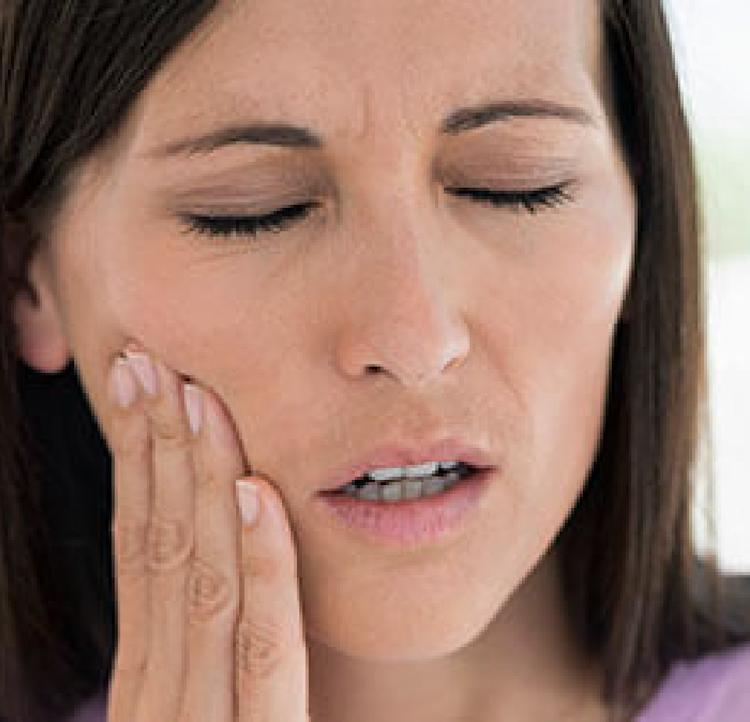
What Is Tooth Sensitivity?
Understanding tooth sensitivity causes is the first step toward effective care.
Tooth sensitivity, also called dentin hypersensitivity, occurs when the protective layers of the tooth are compromised. The enamel and gums shield the underlying dentin, which contains microscopic tubules connected to nerve endings. When these defenses are damaged, triggers like cold drinks, acidic foods, or sweet treats reach the nerves, causing sharp pain. Recognizing these tooth sensitivity causes early allows timely intervention and prevents long-term damage to teeth and gums.
Symptoms of Tooth Sensitivity
Sensitivity can appear suddenly and is often temporary, yet it may disrupt daily life if untreated. Common signs include:
- Sharp, brief pain: Often triggered by hot, cold, sweet, or acidic foods.
- Discomfort during brushing or flossing: Even gentle brushing may cause twinges if dentin is exposed.
- Pain that disappears quickly: Typically stops once the triggering factor is removed.
- Localized sensitivity: Usually affects specific teeth rather than the entire mouth.
Recognizing these symptoms helps guide effective sensitive teeth treatment and prevents progression.
Common Tooth Sensitivity Causes
Identifying the root cause is crucial for proper management and relief.
Tooth sensitivity occurs due to various factors, acting individually or in combination:
Enamel Erosion
Enamel erosion wears away the protective outer layer of teeth. Causes include:
- Frequent consumption of acidic foods and beverages like citrus, soda, and energy drinks.
- Overzealous brushing or using hard-bristled toothbrushes.
- Acid reflux or frequent vomiting, which exposes teeth to stomach acid.
As enamel thins, the dentin becomes exposed, increasing sensitivity. Preventing further erosion is critical because enamel cannot naturally regenerate.
Gum Recession
Gum recession exposes tooth roots, which lack enamel and contain nerve endings. Causes include:
- Periodontal (gum) disease, leading to loss of gum tissue.
- Aggressive brushing that damages the gum line.
- Aging, which naturally causes gum tissue to recede over time.
Exposed roots can cause sensitivity to hot, cold, and sweet foods. Early gum care and professional sensitive teeth treatment help restore protection and reduce discomfort.

Cavities and Dental Decay
Cavities are areas of permanent tooth decay caused by bacteria breaking down enamel and dentin. Sensitive teeth caused by cavities often show:
- Persistent pain when consuming sugar or very cold/hot foods.
- Localized discomfort that worsens over time.
- Visible holes or discoloration on the tooth surface.
Professional sensitive teeth treatment, such as fillings or root canal therapy, is essential to prevent worsening damage.
Cracked or Chipped Teeth
Teeth can crack or chip due to trauma, grinding, or biting hard objects. Cracks expose inner layers of the tooth and may lead to:
- Pain during chewing or pressure.
- Sensitivity to temperature changes.
- Risk of infection if cracks extend to the pulp.
Early detection and repair through bonding or crowns can save the tooth and alleviate sensitivity.
Whitening Products and Harsh Toothpaste
Overuse of bleaching agents or abrasive toothpaste can irritate teeth:
- Professional or at-home whitening treatments may temporarily increase sensitivity.
- Abrasive toothpaste can wear down enamel and expose dentin over time.
- Over-the-counter products often lack desensitizing agents.
Using dentist-recommended whitening products and mild toothpaste reduces the risk of aggravating sensitivity.
| Cause | Trigger Example | Common Symptoms | Notes |
| Enamel Erosion | Citrus, soda, aggressive brushing | Sharp pain with cold drinks | Gradual onset, preventable with care |
| Gum Recession | Gum disease, aging | Sensitivity near gum line | May require dental treatment |
| Cavities | Sugary foods, poor hygiene | Persistent pain, discomfort | Needs professional sensitive teeth treatment |
| Cracked Teeth | Trauma, biting hard foods | Pain during chewing, temperature | Early detection can save the tooth |
| Whitening Products | Bleaching agents | Temporary tingling sensation | Usually mild and reversible |
Home Remedies for Sensitive Teeth
Simple, consistent habits can reduce discomfort and complement professional treatment.
1. Use a Soft-Bristled Toothbrush
Hard-bristled brushes and aggressive brushing erode enamel and damage gums. Switching to a soft-bristled toothbrush and brushing gently in circular motion reduces further exposure to dentin.
2. Switch to Desensitizing Toothpaste
Specialized toothpaste contains compounds like potassium nitrate or strontium chloride that block nerve signals in teeth, reducing pain over time. Regular use is essential, as benefits develop gradually and support professional sensitive teeth treatment.
3. Avoid Acidic or Sugary Foods
Acidic beverages and sugar accelerate enamel erosion and cavity formation. Minimizing intake of soda, citrus, and candy prevents worsening sensitivity. Rinsing with water after consuming these foods reduces acid exposure and promotes overall oral health.
4. Maintain Proper Oral Hygiene
Regular brushing, flossing, and mouthwash use prevent plaque buildup, decay, and gum disease—all contributors to sensitivity. Gentle but thorough cleaning is key to maintaining oral health without aggravating sensitive teeth.
Struggling with sensitive teeth? Book your consultation at Sure Smile Dental Care today!

Professional Sensitive Teeth Treatment Options
When home care isn’t enough, advanced dental treatments provide lasting relief and address the root of tooth sensitivity causes.
1. Fluoride Treatments
Dentists apply concentrated fluoride varnishes or gels to strengthen enamel and protect exposed dentin. Regular fluoride applications not only reduce sensitivity but also help prevent future cavities, making it an essential part of professional sensitive teeth treatment.
2. Dental Sealants
Sealants create a protective layer over vulnerable areas, preventing exposure to triggers like hot, cold, or sweet foods. This painless procedure is highly effective for teeth with worn enamel or minor cracks, tackling one of the main tooth sensitivity causes.
3. Gum Grafting
For patients with significant gum recession, gum grafting replaces lost tissue, covering exposed roots, and reducing sensitivity. The procedure restores both function and aesthetics while addressing a key tooth sensitivity cause.
4. Root Canal Therapy
Severe sensitivity caused by nerve damage or infection may require a root canal. The procedure removes the damaged nerve tissue and seals the tooth, providing permanent relief and acting as a definitive sensitive teeth treatment option.
5. Advanced Restorative Treatments
Crowns, bonding, or inlays restore structural integrity to damaged or decayed teeth. These treatments protect sensitive areas, improve chewing function, and enhance appearance, complementing other professional sensitive teeth treatments.
Lifestyle Changes to Prevent Tooth Sensitivity
Long-term relief comes from consistent preventive habits that target common tooth sensitivity causes.
- Use proper brushing techniques and avoid aggressive scrubbing that can wear enamel.
- Limit acidic and sugary foods and beverages to reduce enamel erosion.
- Wear a night guard if you grind your teeth to prevent mechanical damage.
- Attend regular dental checkups to monitor enamel, gums, and tooth structure for early intervention.

When to See a Dentist
Early evaluation ensures effective sensitive teeth treatment and prevents complications from worsening.
Consult a dentist at Sure Smile Dental Care if you notice:
- Persistent or worsening pain despite home remedies.
- Pain affecting daily activities like eating or drinking.
- Cracks, chips, or discoloration on teeth.
- Signs of gum disease such as swelling, bleeding, or recession.
Dr. Vinod Pattabiraman evaluates each case individually, identifying the exact tooth sensitivity causes and recommending a personalized sensitive teeth treatment plan.
Myths and Facts About Tooth Sensitivity
Understanding the facts prevents ineffective self-treatment and ensures timely care.
| Myth | Fact |
| Only older adults have sensitive teeth | Sensitivity can affect all ages, including children |
| Tooth sensitivity is harmless | Persistent pain may indicate cavities or gum disease |
| Whitening always worsens sensitivity | Professional guidance minimizes risk and protects enamel |
| Brushing harder reduces sensitivity | Aggressive brushing increases enamel wear |
Long-Term Care and Maintenance
Consistent care ensures lasting comfort and healthier teeth while addressing the underlying tooth sensitivity causes.
- Continue desensitizing toothpaste even after symptoms subside.
- Maintain regular dental visits for cleaning and preventive care.
- Monitor diet to avoid enamel-eroding foods.
- Discuss protective treatments like fluoride varnish with your dentist as part of ongoing sensitive teeth treatment.

Wrapping Up
Understanding tooth sensitivity causes is the first step toward relief. At Sure Smile Dental Care, we combine expert evaluation with personalized sensitive teeth treatment to address the underlying cause of discomfort. From home care to professional interventions, early action prevents worsening pain and long-term damage.
Our team, led by Dr. Vinod Pattabiraman, ensures empathetic, effective care that restores comfort, protects dental health, and keeps your smile bright. Don’t let tooth sensitivity hold you back—effective solutions are available and within reach.
Contact Sure Smile Dental Care now and restore your confident, pain-free smile!
FAQs
1. What causes sudden tooth sensitivity?
Sudden sensitivity often results from enamel erosion, cavities, gum recession, or cracks exposing dentin.
2. Can sensitive teeth be treated at home?
Mild cases can be managed with desensitizing toothpaste, soft brushes, and avoiding acidic foods.
3. How long does professional sensitive teeth treatment take?
Treatment varies; fluoride or sealant applications may need a few visits, while restorative procedures could take longer.
4. Is tooth sensitivity a sign of a serious dental problem?
Persistent sensitivity may indicate cavities, gum disease, or enamel damage, requiring professional evaluation.
5. Can children experience tooth sensitivity?
Yes, children may experience sensitivity due to cavities, enamel wear, or erupting teeth, and need assessment by a dentist.
6. Does tooth whitening worsen sensitivity permanently?
Temporary sensitivity is common, but professional supervision and proper products minimize long-term effects.